

-
Products
-
-
-
-
Contact Us
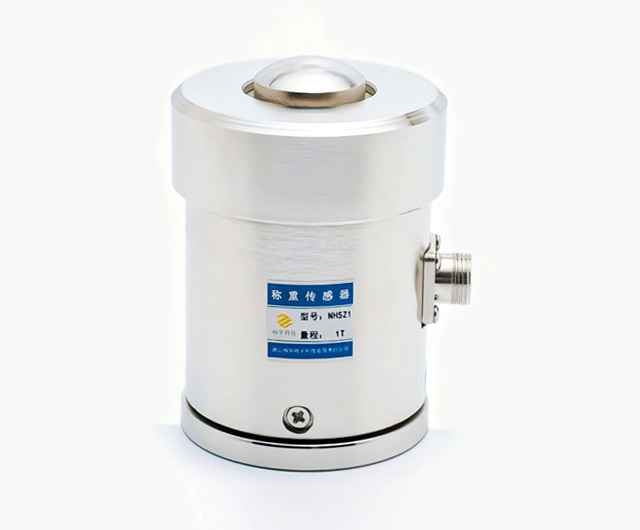
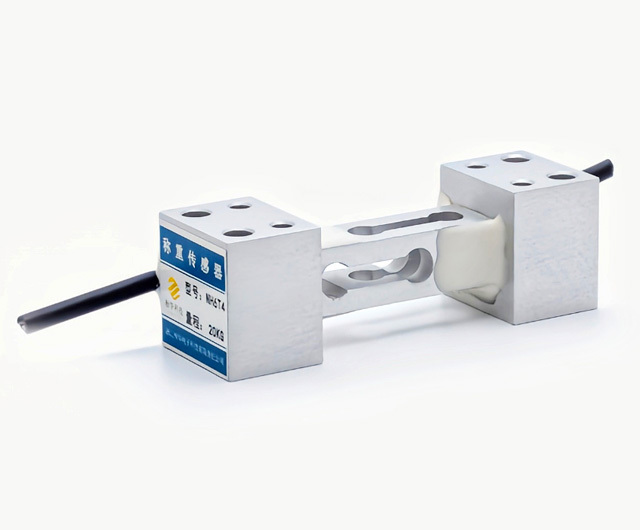
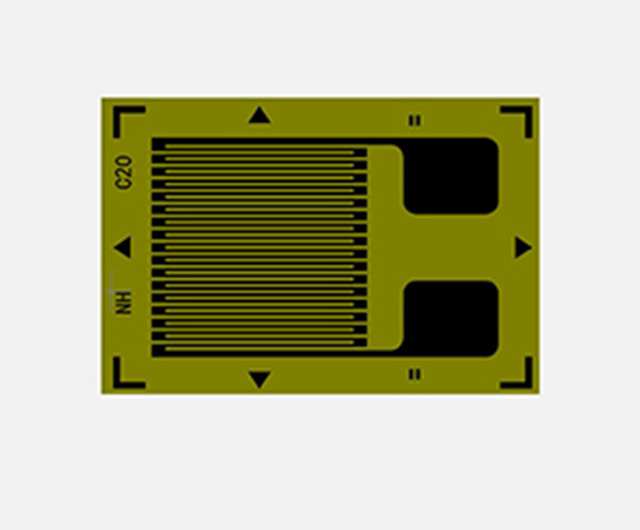
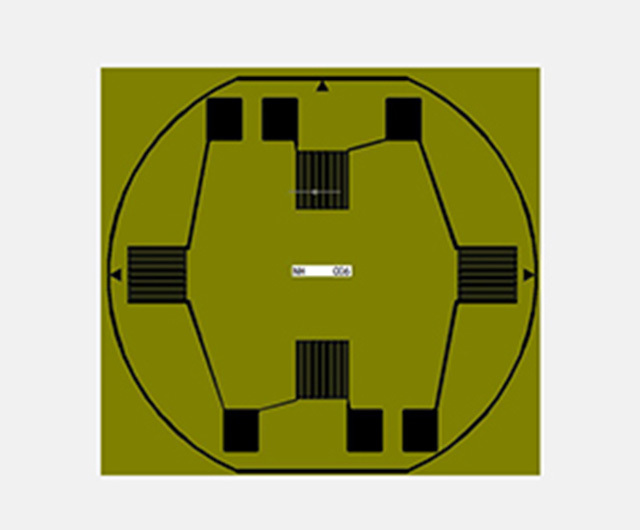
The Difference Between Weighing Sensors and Force Sensors
2025-10-10
1. Core measurement object
Weighing sensor: Mass
Force sensor: Force
2. Measurement Principle
Weight sensor: Measures the gravitational force acting on an object
Force sensor: Measures any type of force or torque
3. Units of Measurement
Weighing sensors: g, kg, t, etc.
Force sensors: N, kN, MN, etc.
4. Measurement Range
Weighing sensor: g ~ several hundred tons
Force sensor: Tens of mN to tens of MN
5. Operating Temperature
Weighing sensor: -10 ~ 40
Force sensor: High and low temperatures, -40°C to several hundred degrees Celsius
6. Loading Time
Weighing sensor: Typically features short single-measurement times.
Force sensor: Long loading time
7. Loading Direction
Weighing sensor: Typically unidirectional, with force directed toward the center of the Earth.
Force sensor: unidirectional, bi-directional (tension and compression), with free installation allowing forces in any direction.
8. Installation Frequency
Weighing sensor: Typically, a limit device is required to prevent lateral forces from causing interference.
Force sensor: Multiple designs, with installation structures tailored to the measurement direction.
9. Parasitic Load
Weighing sensor: The force-bearing condition is relatively ideal.
Force sensor: Consider the ability to withstand parasitic loads, and when necessary, opt for a multi-component sensor for accurate measurement.
10. Calibration Method
Weighing sensor: Usage Known mass standard weights Perform calibration
Force sensor: Usage Standard Power Source Perform calibration
11. Typical Applications
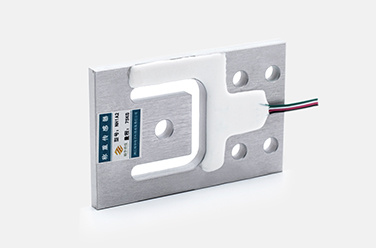
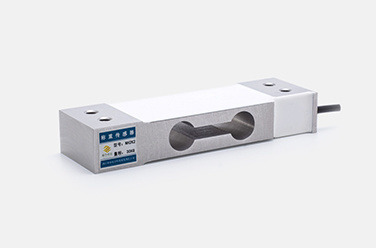
Weighing sensors: floor scales, platform scales, hopper scales, belt scales
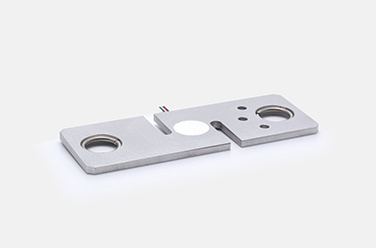
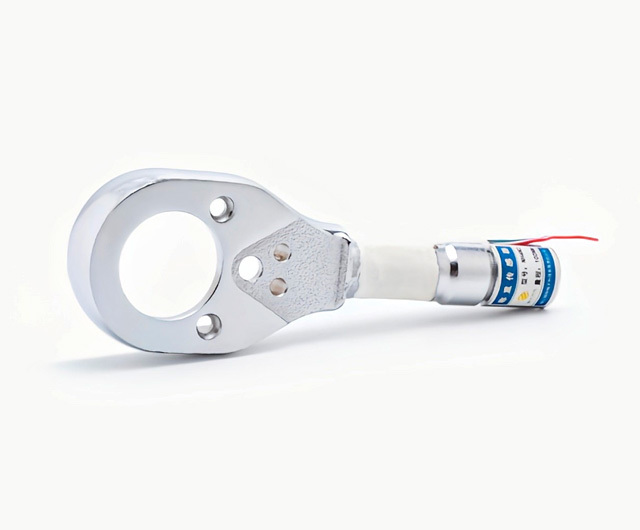
Force sensor: Material testing machines, robotic joints, thrust testing, industrial process control
12. Design Focus
Weighing sensor: High precision, long-term stability, and resistance to off-center loading
Force sensor: Multi-directional force measurement, dynamic response, overload protection
Can they be used interchangeably?
In some cases, they can be used interchangeably, but they’re usually not the best choice.
Measure thrust using a load cell Theoretically, it’s possible, but the thrust must be applied smoothly and vertically downward, while avoiding any lateral forces. As for dynamic, non-vertical…
Direct thrust measurements result in poor performance from the load cell.
Use a force sensor to weigh. : Absolutely possible, and quite common. For example, many industrial platform scales use tension sensors. Or made with pressure-type force sensors. But
Please note that the reading unit is "newtons." If you want to obtain the value in "kilograms," you’ll need to perform a conversion within the instrument (mass = force / g). Due to gravity
The acceleration due to gravity, \( g \), varies slightly depending on the location, and for ultra-high-precision weighing, this conversion can introduce minor errors.
Summary
Concept scope: Force Sensor > Weighing Sensor
The fundamental difference: A weighing sensor measures mass (via gravity), while a force sensor measures force.
Selection criteria: If your ultimate goal is to know the mass of an object, prioritize choosing a weighing sensor.
If you need to measure process force, mechanical force, thrust, tension, or torque, choose a force sensor.
Next page
More news

Hotline
Technical Support
Address
No. 1, Building 1, Yin Cang Road, Green Industry Cluster, Quzhou City, Zhejiang Province
Follow us



Copyright © 2024 Zhejiang Nan Hua Electronic Technology Co., Ltd. | Powered by www.300.cn