

-
Products
-
-
-
-
Contact Us
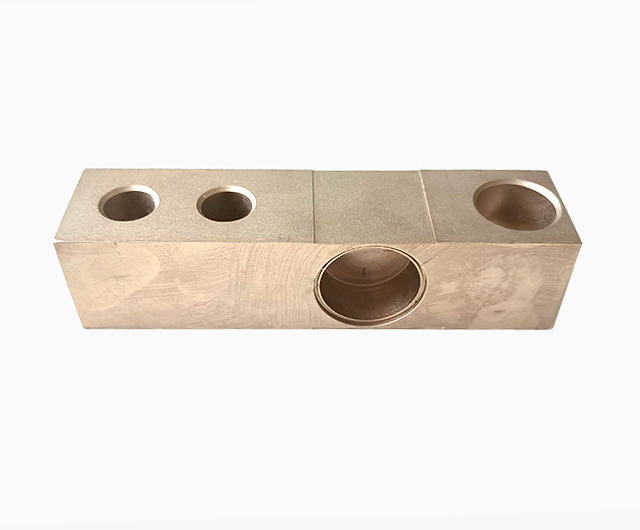
Resistance Strain Gauge
2025-09-23
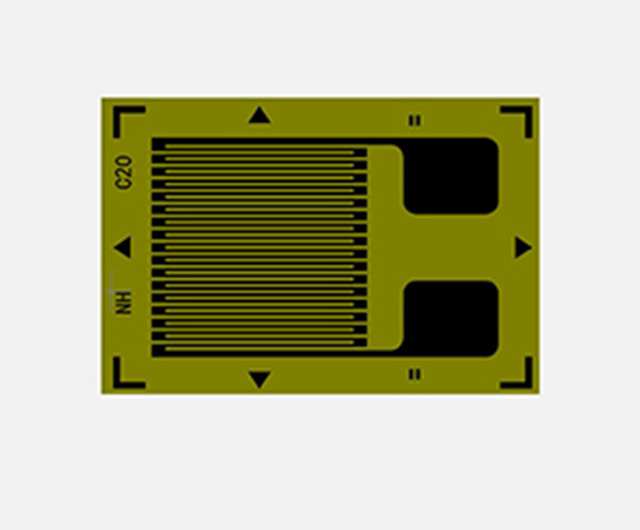
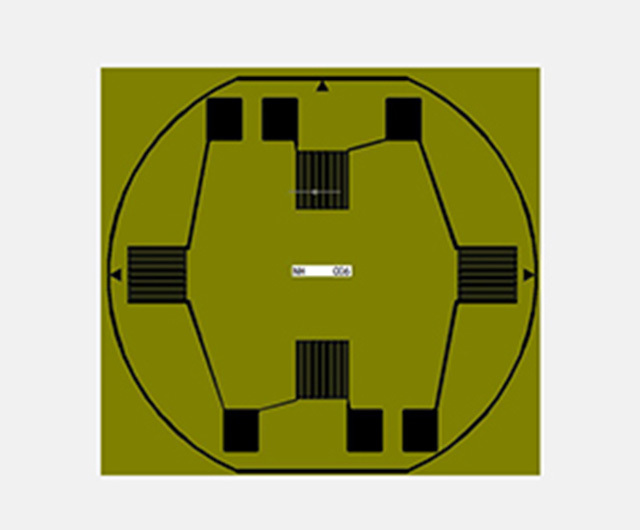
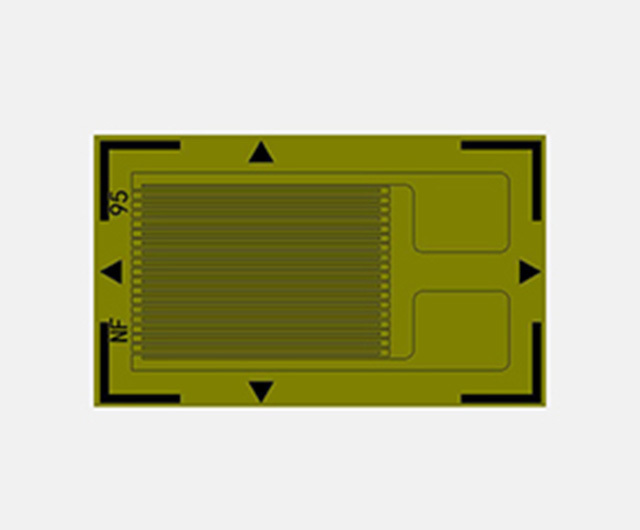
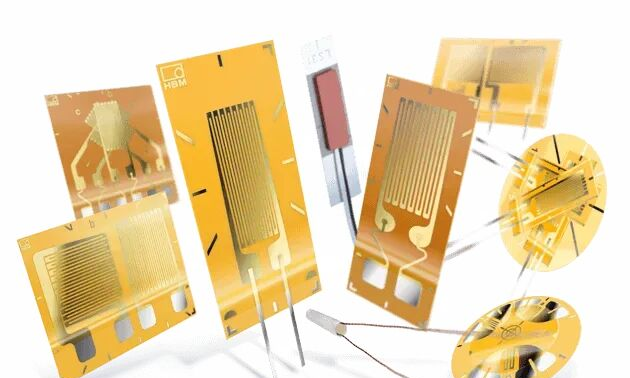
Electrical Resistance Strain Gauges
Stress/Strain Measurement Principle: By detecting changes in resistance of conductive materials when stretched, stress or strain information is obtained.
Advantages:
I. Technical Performance Advantages:
- High measurement accuracy, extremely high resolution
- Small in size, lightweight
- Excellent frequency response
- Large measurement range
II. Advantages of Practical Application:
- Wide variety and extremely versatile
- Prices are relatively low, offering excellent value for money.
- The technology is mature and highly reliable.
Limitations:
- It can only measure surface strain and does not support full-field strain measurement.
- The installation process requires high precision.
- Highly sensitive to temperature
- The output signal is weak.
- Usually for single-use only
- Maximum extension capability is typically limited to about 20%.
- A complete stress state requires three-way measurement.
Typical applications:
- Stress Analysis of Engineering Components and Structures
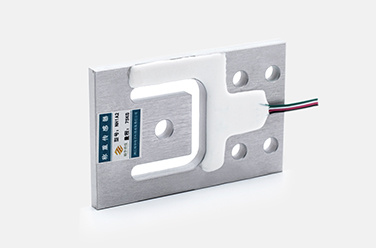
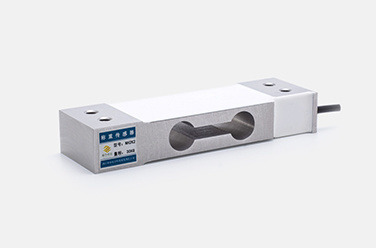
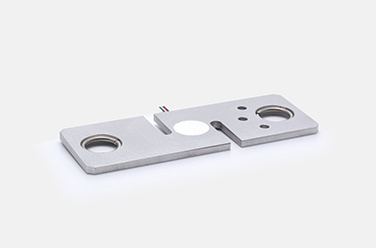
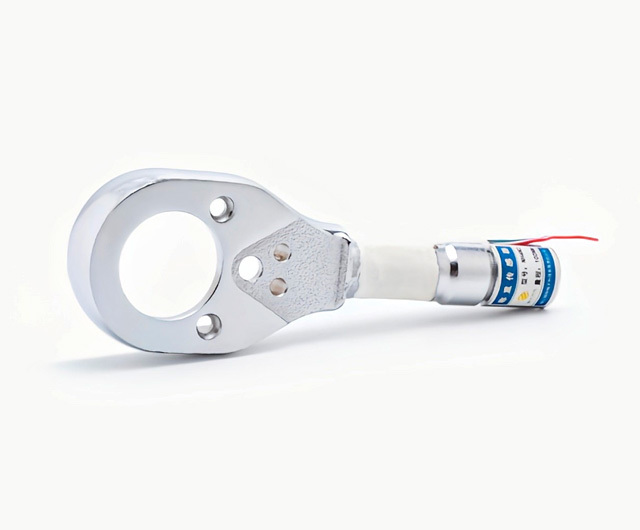
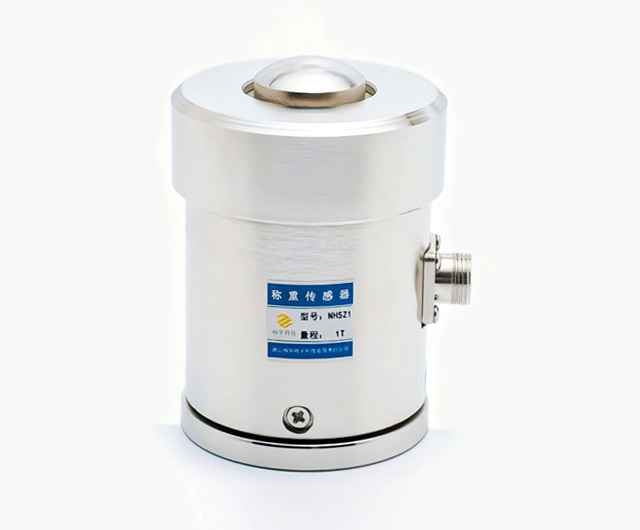
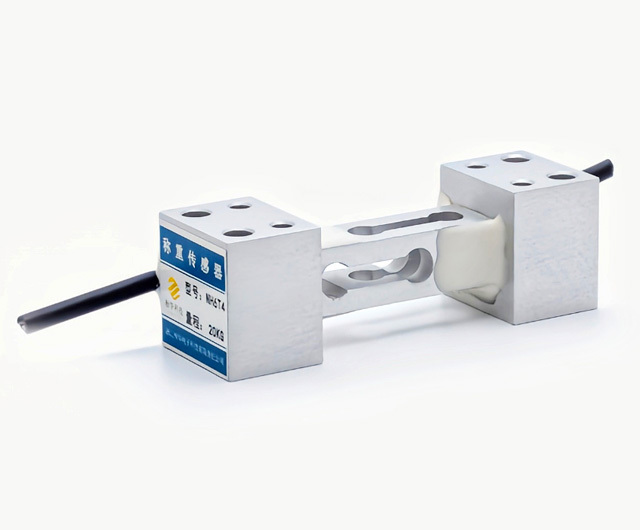
- As a sensitive element for various sensors
Basic Working Principle
1. Core Principle: The Resistance Strain Effect
The resistance strain effect refers to the phenomenon where the resistance value of a conductive or semiconductor material changes in response to mechanical deformation—either elongation or contraction.
A resistance strain gauge is a sensitive element that converts strain (small deformations) in mechanical components into changes in electrical resistance.
2. Quantitative Analysis of the Working Principle
The resistance (R) of a metal wire is determined jointly by its material properties and geometric shape, and is given by the formula: $R = \rho \frac{L}{A}$, where:
- $R$ = Resistance value
- $\rho$ = the material's resistivity
- $L$ = Length of the conductor
- $A$ = Cross-sectional area of the conductor
When a metal wire is subjected to external tensile or compressive forces, its length $L$, cross-sectional area $A$, and resistivity $\rho$ all change, leading to a corresponding change in resistance $R$.
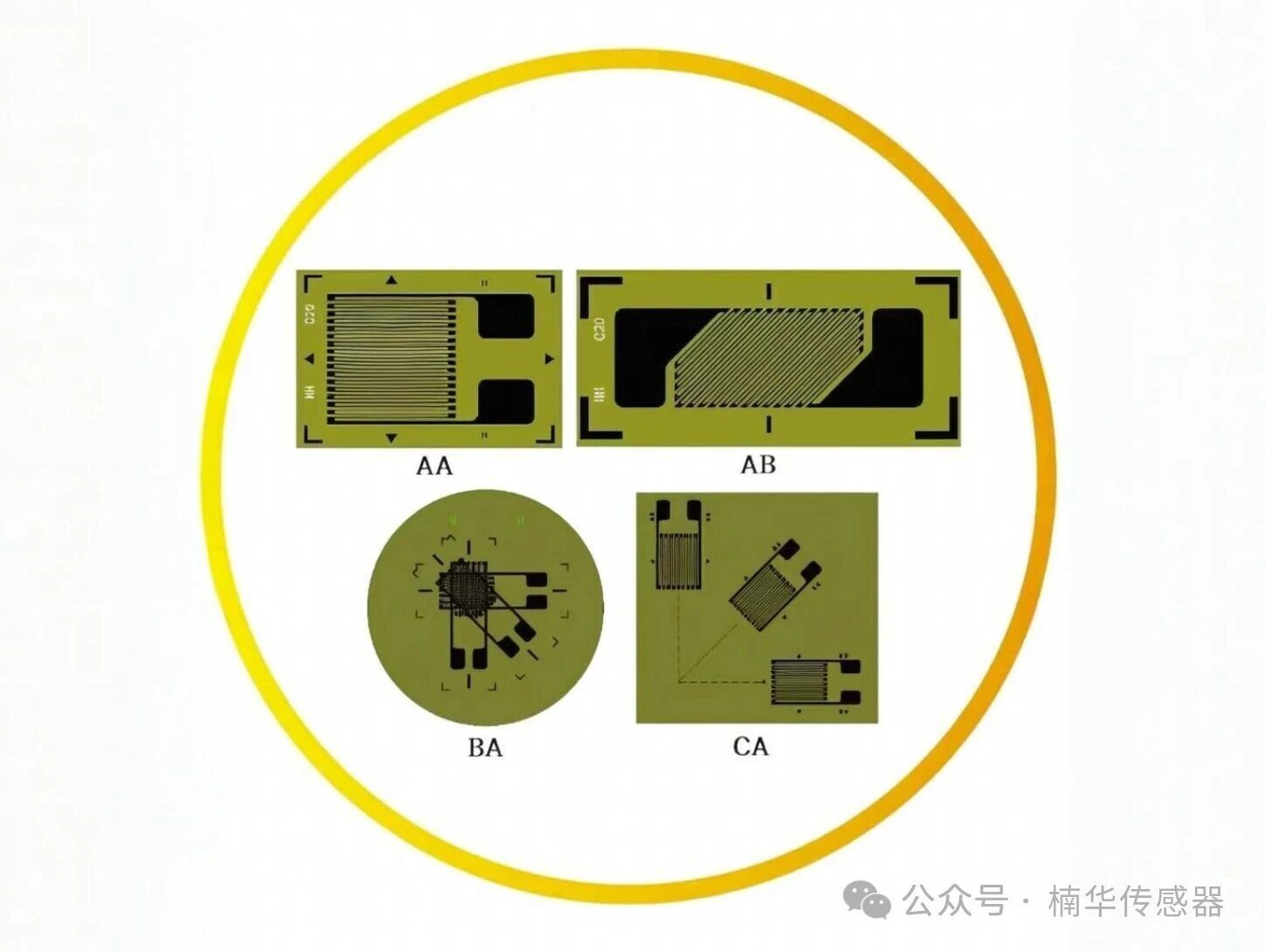
Electrical Bridge Configuration Instructions
Quarter Bridge:
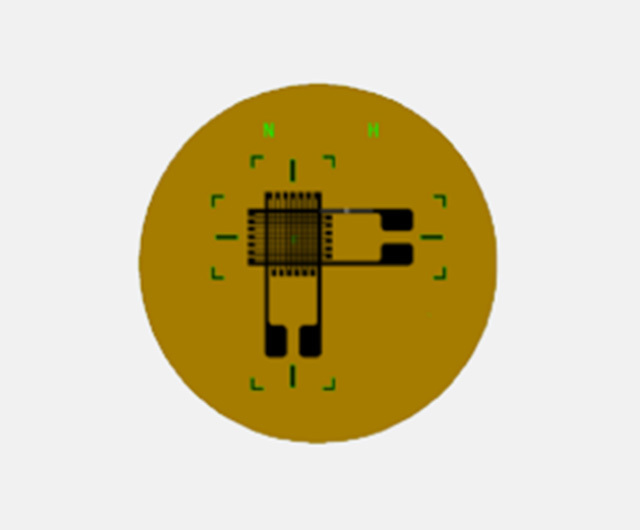
If the primary strain direction is known, simply align one strain gauge along that direction and connect it to one arm of the Wheatstone bridge, while the remaining three arms are supplied by the measurement equipment. This configuration is suitable for a three-wire connection method to minimize cable-induced errors.
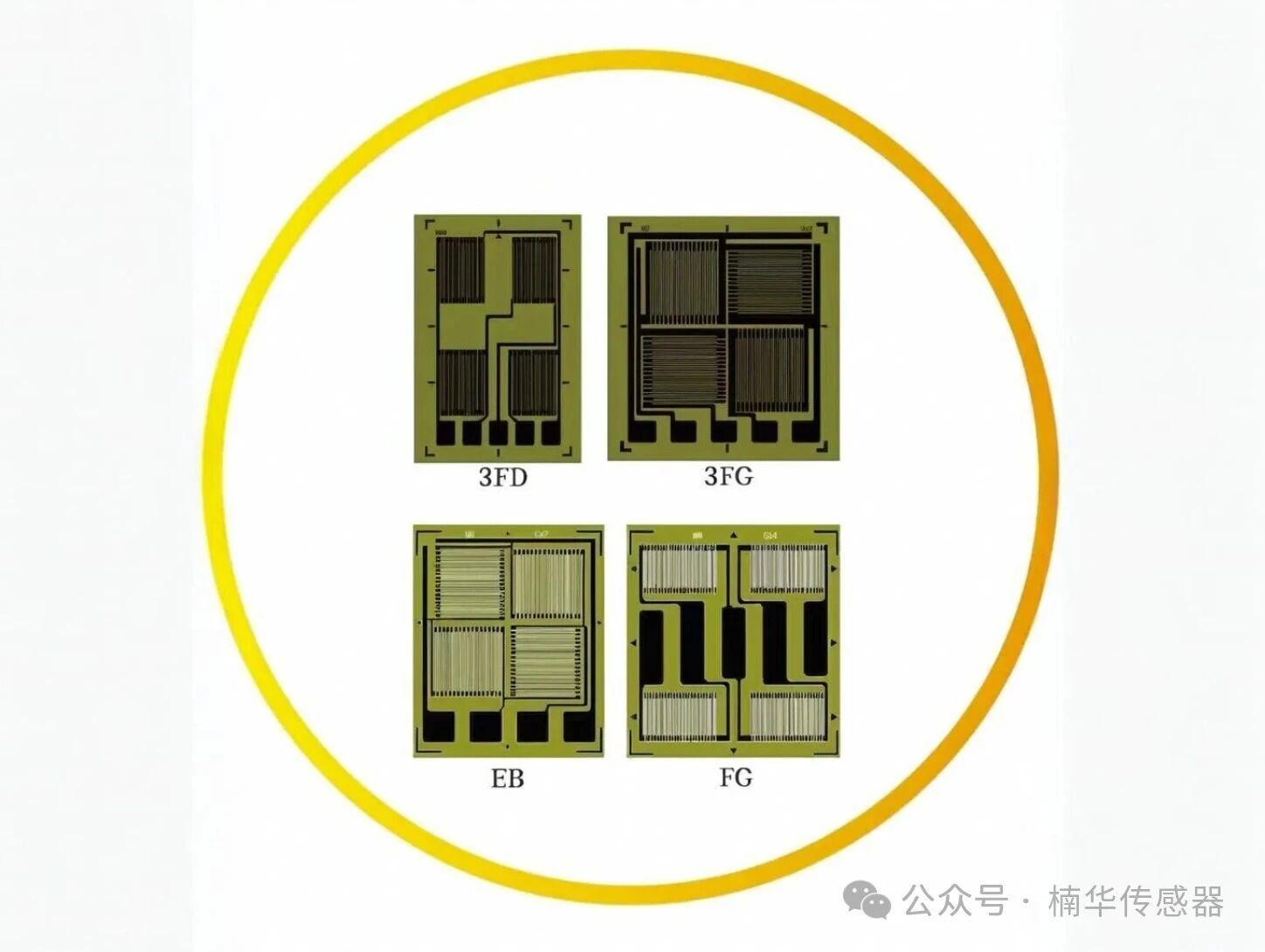
Strain Rosette: If the principal strain direction is unknown, a strain rosette with three measurement points oriented in different directions should be used. By analyzing the readings from each measurement point along with their relative angles, the magnitudes and directions of the principal strains can be calculated.
Half Bridge:
A half-bridge uses two strain gauges, while the other two resistors are precision resistors. Compared to A 1/4-bridge and half-bridge configurations can be used for correlation compensation, significantly improving measurement accuracy.
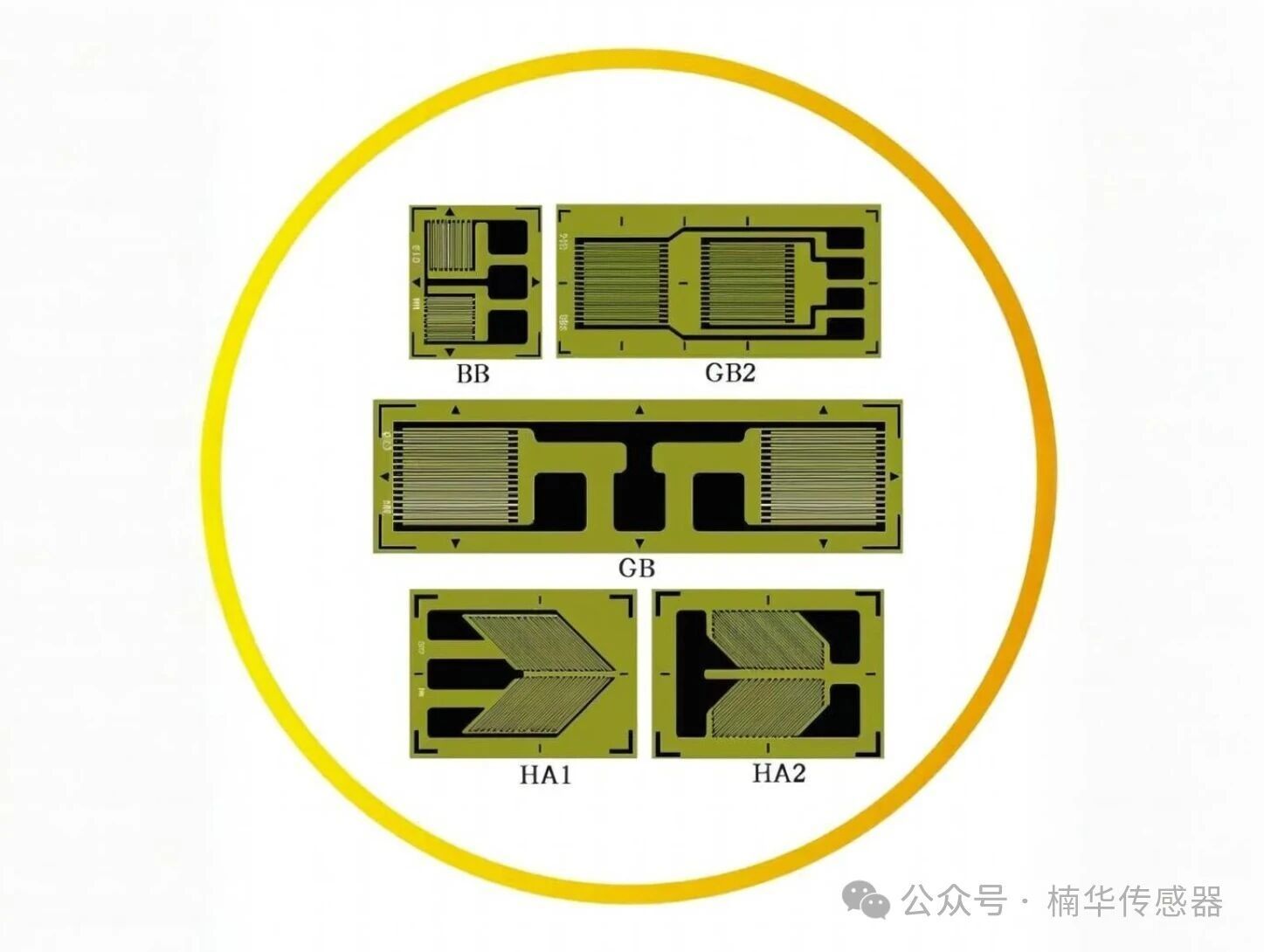
Full Bridge: In the sensor, the four bridge arms typically consist of active strain gauges arranged on the sensing element, enabling the resistive changes to be mutually amplified—thereby enhancing the signal-to-noise ratio and sensitivity.
Signal Conditioning System
Due to the weak strain signal, it is necessary to use Signal Conditioner Perform amplification and processing. The market offers a variety of solutions, ranging from small portable devices to multi-channel large-scale systems, suitable for both static and dynamic measurements.
A well-rounded conditioning system should have the following features:
- Can complete internal connections for quarter-bridge and half-bridge configurations.
- Stable and precise excitation power supply
- Initial Bias Balancing/Zeroing Function
- And features shunt calibration and signal filtering capabilities.
Due to their maturity and versatility, resistance strain gauges remain one of the most widely used strain measurement solutions in industry.
Next page
More news

Hotline
Technical Support
Address
No. 1, Building 1, Yin Cang Road, Green Industry Cluster, Quzhou City, Zhejiang Province
Follow us



Copyright © 2024 Zhejiang Nan Hua Electronic Technology Co., Ltd. | Powered by www.300.cn