

-
Products
-
-
-
-
Contact Us
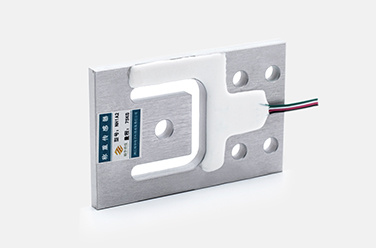
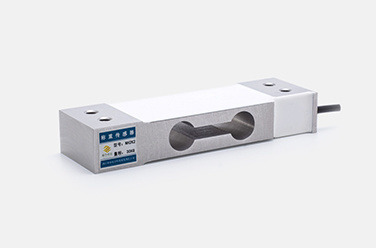
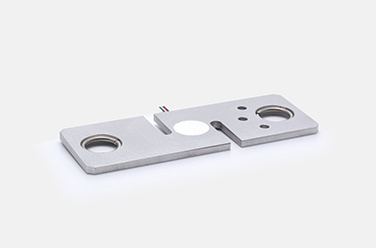
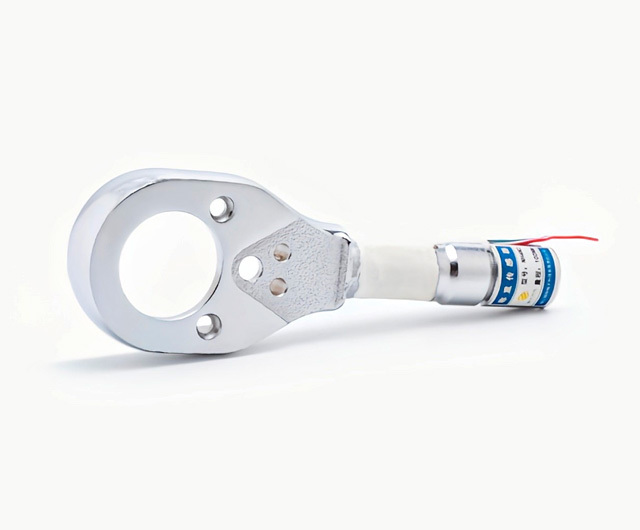
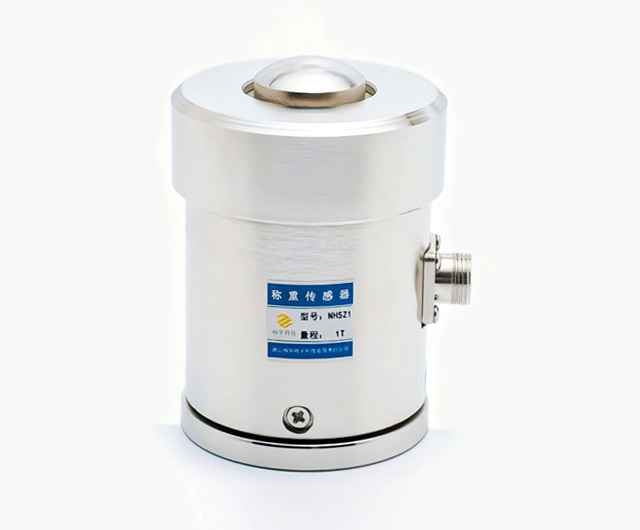
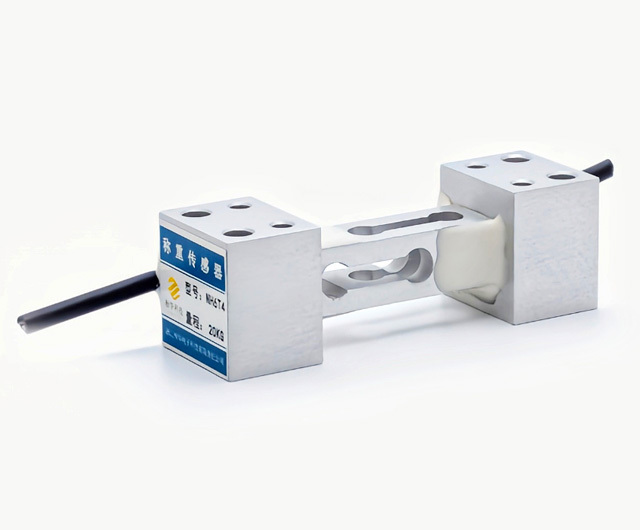
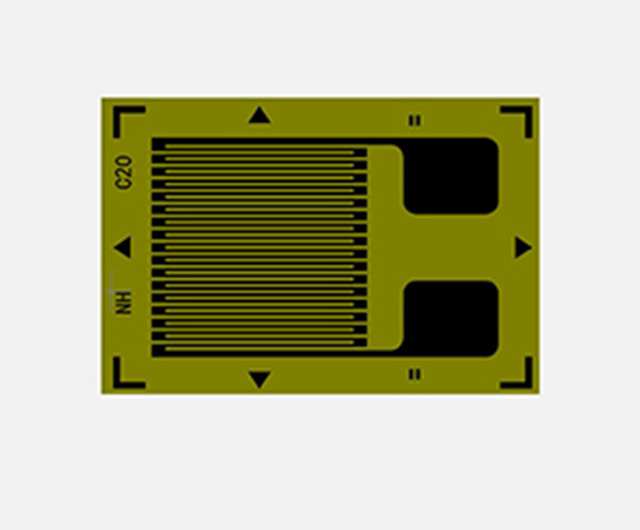
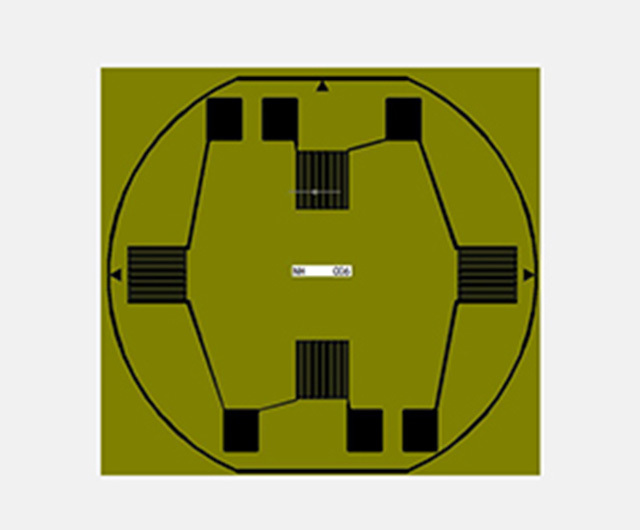
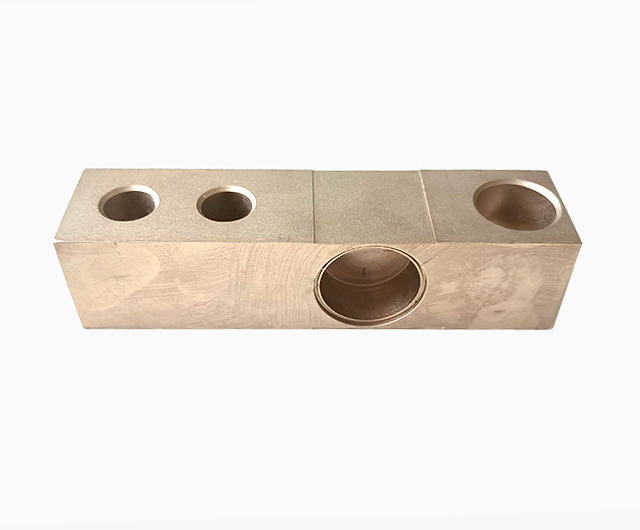
【Load Cell/Force Sensor】What analog output signals are available for load cells or force sensors? How can the signal output method be changed? What information should be known when placing an order?
2025-03-26
The following provides a detailed introduction to the analog output signals of weighing or force sensors, changes in signal output methods, and information to understand when ordering:
I. Analog Output Signal
Weighing or force sensors typically output two types of analog signals: voltage signals and current signals:
- Voltage Signal
-
Common voltage signal output ranges include 0~5V, 0~10V, ±5V, ±10V, etc. -
Voltage signal output has advantages such as good stability and high accuracy, but the transmission distance is relatively short and is easily affected by line loss and interference.
-
- Current Signal
-
Common current signal output ranges include 4~20mA, 0~20mA, etc. -
Current signal output has advantages such as strong anti-interference ability and long transmission distance, especially suitable for complex environments such as industrial sites.
-
II. Changing the Signal Output Method
The signal output method of weighing or force sensors can be changed in the following ways:
- Using a signal converter
-
A signal converter (also called a transducer) can convert the weak signal of the sensor (such as mV-level signal) into a standard analog signal (such as 0~10VDC or 4~20mADC). -
By connecting a signal converter, the sensor's signal output method can be easily changed to meet different application needs.
-
- Adjusting the internal settings of the sensor
-
Some high-end sensors support changing the signal output method through internal settings or programming. -
This method requires a certain technical background and professional knowledge, and may involve recalibration and debugging of the sensor.
-
III. Information to Understand When Ordering
When ordering weighing or force sensors, the following information needs to be understood to ensure that the appropriate sensor is selected:
- Measurement range and accuracy
-
Determine the measurement range and accuracy requirements of the sensor based on actual needs. -
The measurement range should cover the maximum and minimum force values to be measured, and the accuracy determines the accuracy of the measurement.
-
- Output signal type
-
Clearly specify the required output signal type (voltage or current), and the specific output range.
-
- Working environment
-
Understand the working environment of the sensor, including temperature, humidity, electromagnetic interference, etc. -
Select a sensor suitable for the working environment to ensure its stability and reliability.
-
- Installation method
-
Select the appropriate installation method according to the application scenario, such as tension/compression type, shear type, column type, etc. -
Ensure that the installation method meets the design requirements of the sensor to ensure the accuracy of the measurement results.
-
- Supply voltage and power consumption
-
Understand the supply voltage and power consumption requirements of the sensor to ensure that it can operate normally.
-
- Protection level
-
Select the appropriate protection level according to the application scenario, such as IP65, IP67, etc. -
The higher the protection level, the better the sensor's water resistance and dustproof performance.
-
In summary, when selecting weighing or force sensors, it is necessary to comprehensively consider factors such as measurement range, accuracy, output signal type, working environment, installation method, supply voltage and power consumption, and protection level. By understanding this information, you can select the appropriate sensor to meet actual application needs.
Previous page
More news

Hotline
Technical Support
Address
No. 1, Building 1, Yin Cang Road, Green Industry Cluster, Quzhou City, Zhejiang Province
Follow us



Copyright © 2024 Zhejiang Nan Hua Electronic Technology Co., Ltd. | Powered by www.300.cn