

-
Products
-
-
-
-
Contact Us
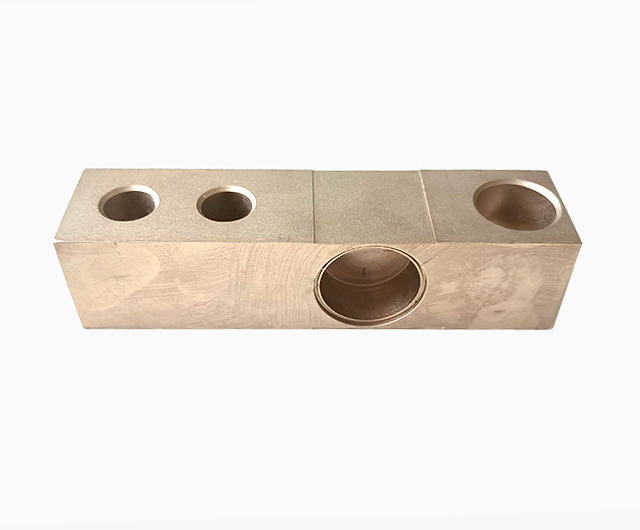
The principle and application of resistance strain gauges
2025-03-18
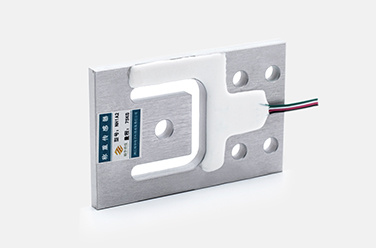
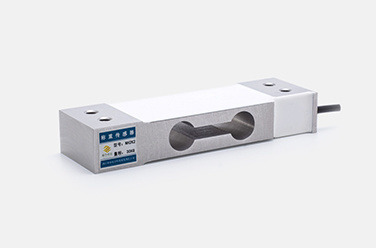
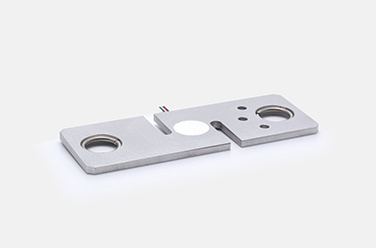
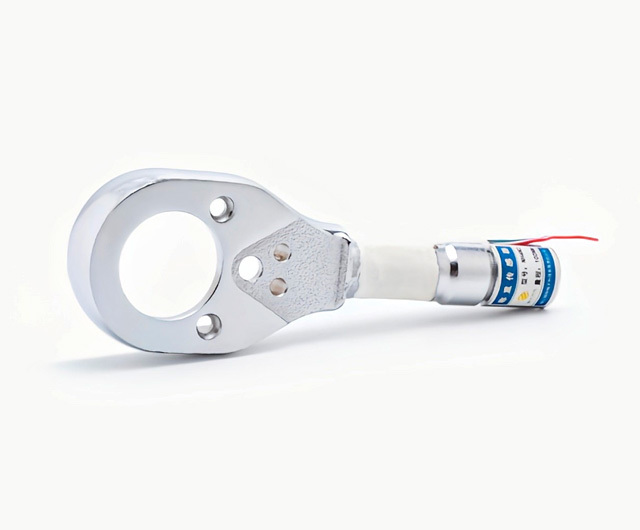
Strain gauge sensors are widely used in industrial automation, machinery manufacturing, and building structural monitoring. They utilize the strain effect of materials to convert changes in physical quantities (such as force, pressure, and displacement) into changes in resistance, which are then converted into electrical signals through circuits for precise measurement of physical quantities. This article will detail the principles and applications of strain gauge sensors.
Principle of Strain Gauge Sensors
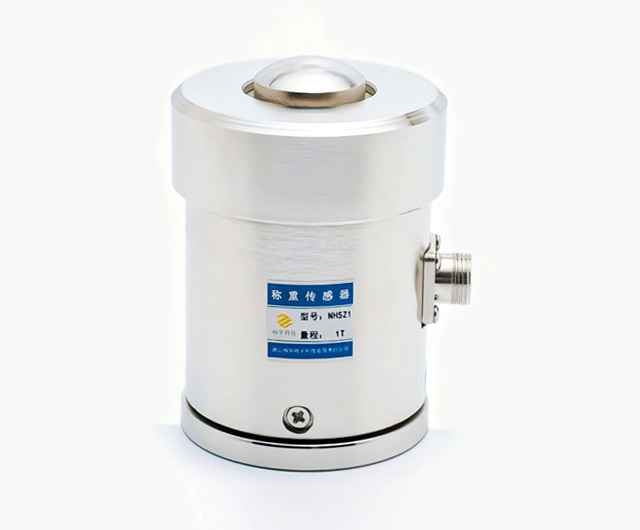
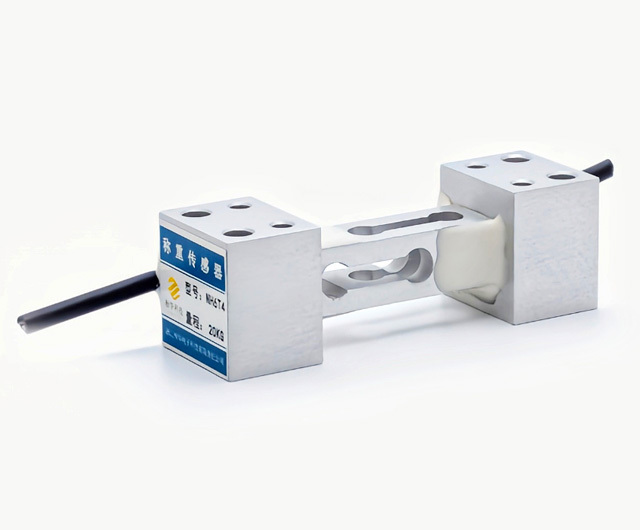
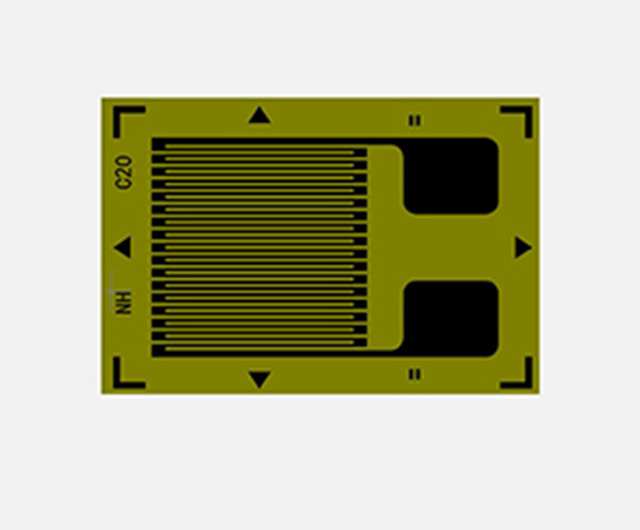
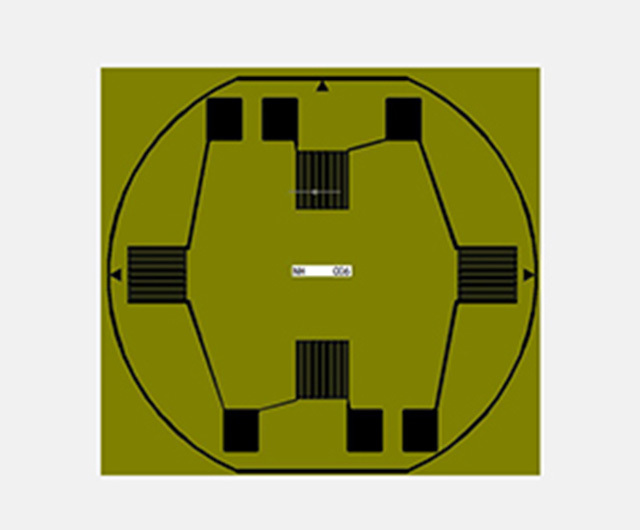
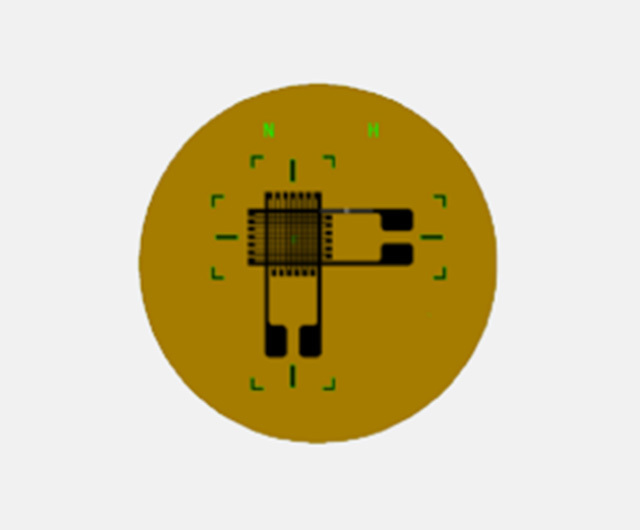
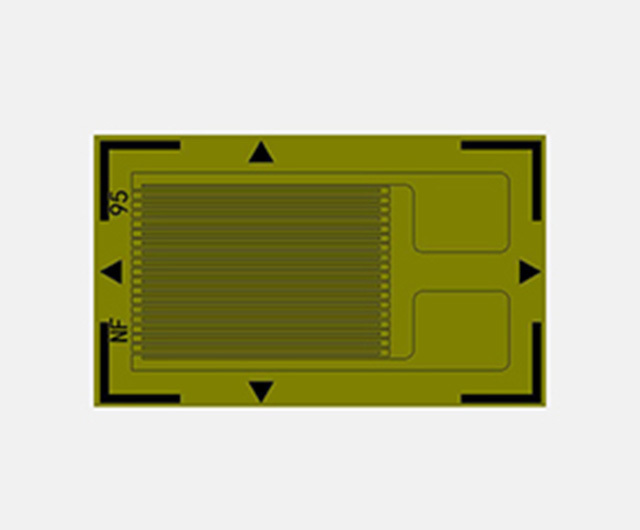
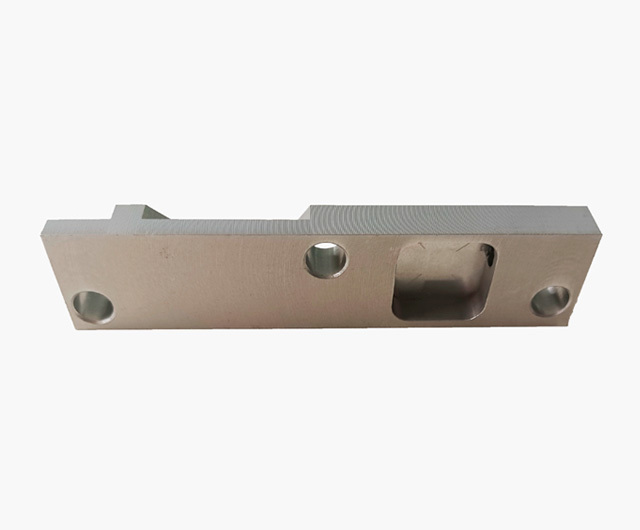
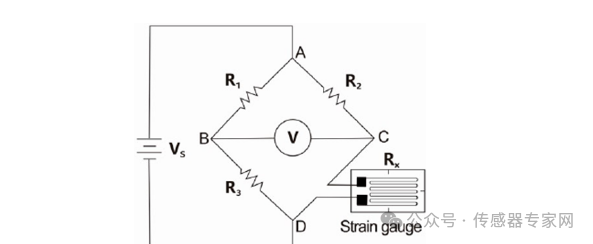
The working principle of strain gauge sensors is based on the strain effect of materials. When a material is subjected to external force, its dimensions (such as length, width, and thickness) will undergo slight changes, which will cause changes in the material's resistance. Specifically, a strain gauge sensor consists of an elastic sensitive element and a strain gauge bonded to its surface. When the elastic sensitive element is deformed under external force, the strain gauge will also deform, and its resistance will change accordingly. This change in resistance can be converted into an electrical signal output through circuits such as a Wheatstone bridge, thereby achieving the measurement of physical quantities.
Strain gauges are usually made of metal foil or semiconductor materials, and the change in their resistance is proportional to the strain. Through precise manufacturing processes, strain gauges can ensure that even under small strains, significant resistance changes can be produced, thus achieving high-precision measurements. In addition, to improve the accuracy and stability of measurements, strain gauge sensors usually also include compensating resistors to eliminate the influence of environmental factors such as temperature.
Applications of Strain Gauge Sensors
Strain gauge sensors, with their advantages of high precision, high sensitivity, and simple structure, have been widely used in many fields:
• Industrial automation control: In pressure measurement, strain gauge sensors are widely used in tire pressure detection, automotive manufacturing, machinery manufacturing, aircraft, and ship pressure monitoring. By measuring the stress value of the equipment, the pressure changes of the equipment can be reflected in real time, ensuring the normal operation and safety performance of the equipment.
• Engineering structural monitoring: In the safety monitoring of bridges, buildings, and other engineering structures, strain gauge sensors can monitor the stress state of the structure in real time to prevent potential safety hazards. Through continuous monitoring of structural strain, structural damage and deformation can be detected in time, providing important basis for structural maintenance and repair.
• Medical equipment: In medical equipment, strain gauge sensors are used to monitor patients' physiological signals, such as force feedback control of prosthetic joints. By measuring the patient's movement deformation, the sensor can achieve a more natural and comfortable user experience, improving the patient's quality of life.
• Consumer electronics: In smart wearable devices, strain gauge sensors are used to monitor the human body's activity status. For example, the strain gauges in heart rate monitoring bands can sense slight skin stretching and convert it into heart rate data to provide users with health monitoring services.
In addition, strain gauge sensors also play an important role in aerospace, earthquake monitoring, and ocean exploration. With the continuous advancement of technology and the continuous expansion of application fields, the application prospects of strain gauge sensors will be even broader.
Conclusion
As an important measurement tool, strain gauge sensors play an irreplaceable role in industrial automation, engineering structural monitoring, medical equipment, consumer electronics, and many other fields. By thoroughly understanding their working principles and application fields, we can better utilize this technology to bring more convenience and safety to production and life. In the future, with the continuous advancement and innovation of technology, strain gauge sensors will show their unique charm and value in more fields.
More news

Hotline
Technical Support
Address
No. 1, Building 1, Yin Cang Road, Green Industry Cluster, Quzhou City, Zhejiang Province
Follow us



Copyright © 2024 Zhejiang Nan Hua Electronic Technology Co., Ltd. | Powered by www.300.cn