

-
Products
-
-
-
-
Contact Us
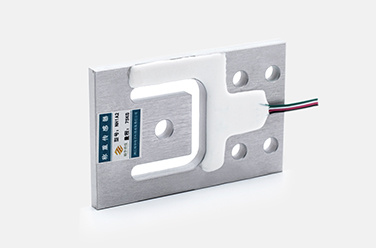
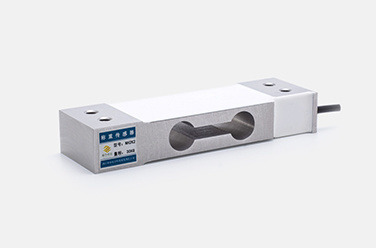
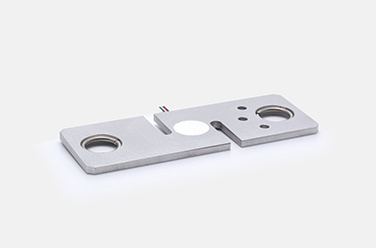
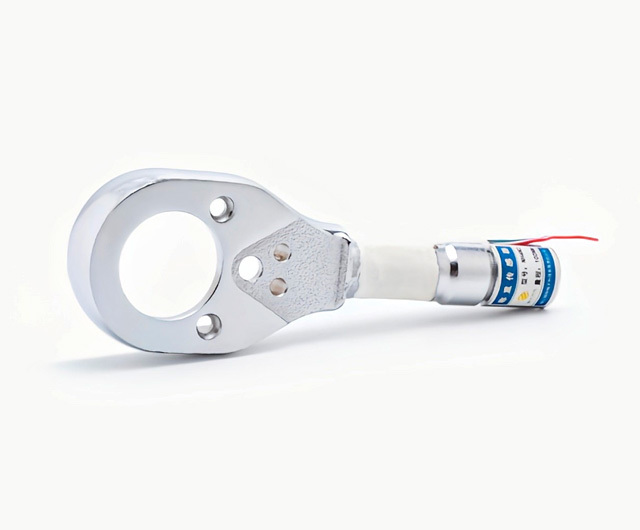
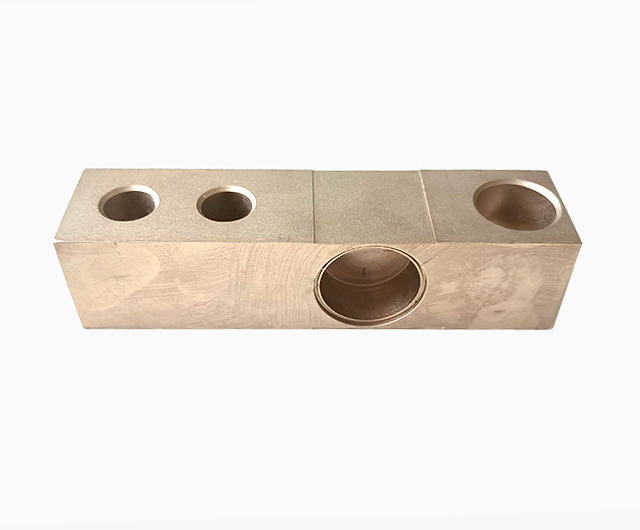
In-depth analysis of the accuracy level, application scenarios, and market value of weighing load cells
2025-03-10
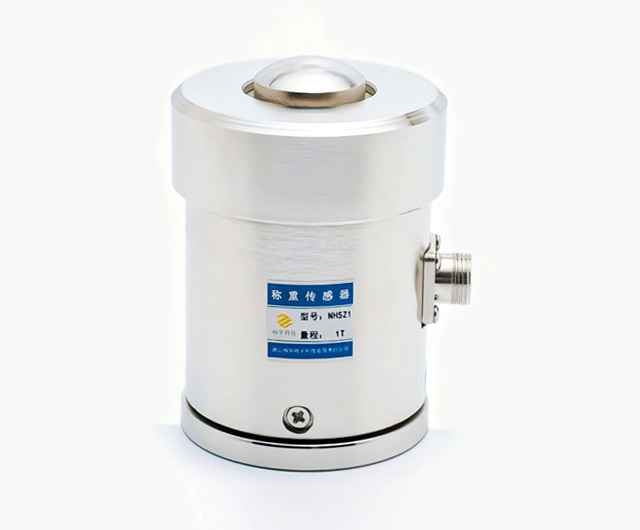
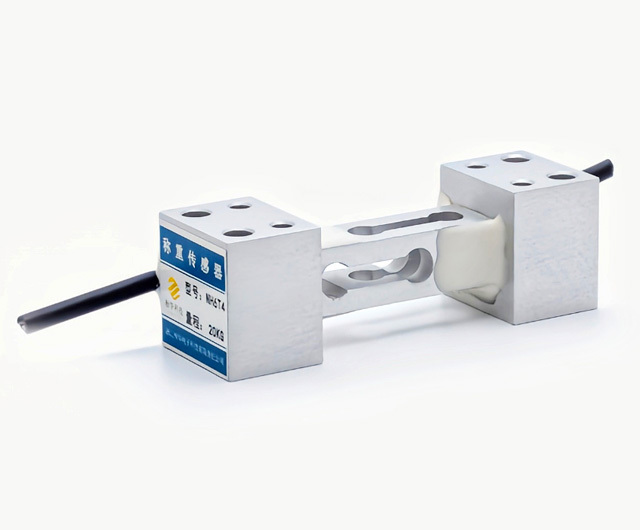
In today's rapidly developing industrial and information age, weighing sensors, as precision devices that convert weight into electrical signals, are increasingly widely used and have become indispensable tools in numerous industries. The accuracy grade of a weighing sensor is a key indicator of the reliability of its measurement results. Sensors of different accuracies are suitable for different application scenarios and therefore exhibit different market values.
Accuracy Grade Classification of Weighing Sensors
According to the International Recommendation OIML R 60, weighing sensors can be divided into four accuracy grades based on their comprehensive performance: Class A, Class B, Class C, and Class D.
- Class A
The highest accuracy grade, with superior measurement accuracy and stability. Class A weighing sensors are suitable for applications with extremely stringent accuracy requirements, such as the precise weighing of jewelry, precious metals, and other valuable items. - Class B
Although slightly less accurate than Class A, it still maintains a high level of measurement accuracy. In applications with high accuracy requirements, such as the chemical and pharmaceutical industries, Class B sensors can play an important role. - Class C
A widely available accuracy grade in the market, favored by many industrial and commercial sectors for its excellent price-performance ratio, such as logistics, warehousing, and food processing. Class C weighing sensors are further subdivided into multiple sub-levels, such as CCC3, where C3 represents a sensor with 3000 maximum divisions, with an accuracy of approximately three ten-thousandths of the total range. - Class D
Sensors with a lower accuracy grade, suitable for applications with less stringent accuracy requirements.
Weighing Sensors in Different Application Scenarios
Weighing sensors have extremely wide applications, from industrial production to daily life, from logistics and transportation to healthcare.
- Industrial Production
Weighing sensors are important components of electronic weighing instruments, widely used in various weighing instruments such as electronic scales, platform scales, and crane scales, accurately measuring the weight of raw materials, semi-finished products, and finished products to ensure quality control and material management in the production process. - Logistics and Transportation
Weighing sensors are installed on transportation tools such as trucks and containers to monitor the weight of goods in real time, ensuring transportation safety and compliance with road weight limits. - Healthcare
Hospital weighing scales and bed pressure sensors use weighing sensor technology to accurately measure changes in patient weight, providing important data for doctors to assess health conditions and develop treatment plans. - Agriculture and Animal Husbandry
Weighing sensors are used in feed weighing, animal weight monitoring, and grain storage, helping farmers and animal husbandry operators better manage resources and improve production efficiency.
In addition, weighing sensors also play an important role in environmental monitoring and scientific research, such as monitoring the liquid level and weight changes of containers such as garbage bins, tanks, and pools, providing data support for environmental management and resource scheduling; in laboratories and scientific research fields, weighing sensors are essential tools for weight measurement in scientific research and experiments.
Market Value Reflection
The market value of weighing sensors is closely related to their accuracy grade and application scenarios. High-precision sensors, due to their superior performance and stability, dominate high-end applications such as jewelry and precious metal weighing, and their market value is often high. Medium-precision sensors, due to their wide applicability and excellent price-performance ratio, have a large market demand in industrial and commercial fields, with stable and continuous market value growth. Although low-precision sensors have limited application scenarios, they still play a role in some applications with low accuracy requirements and have a certain market value.
With the continuous development of technologies such as the Internet of Things, big data, and artificial intelligence, the application fields of weighing sensors will further expand, and their market value will continue to increase. In the future, weighing sensors will become more intelligent and networked, better meeting the needs of various complex application scenarios and bringing more convenience and benefits to human society.
I. High-Precision Weighing Sensors (Class A, Class B)
Application Scenarios :
- Jewelry and Precious Metals Industry
These industries have extremely high accuracy requirements for weight measurement, usually requiring accuracy to one ten-thousandth or even higher. High-precision weighing sensors ensure the accuracy of measurement results, avoiding economic losses due to errors. - Scientific Research and Laboratories
In scientific research and laboratory environments, accurate weight measurement is key to experimental success. High-precision weighing sensors provide stable and reliable measurement results, providing strong support for scientific research. - High-Precision Manufacturing
In fields such as aerospace and precision machinery, there are strict requirements for the weight of components. High-precision weighing sensors ensure quality control during the production process and improve the overall performance of products.
Application Requirements :
- High Accuracy and Stability
Requires sensors with extremely high measurement accuracy and long-term stability to ensure the reliability of measurement results. - Strong Anti-Interference Ability
Needs to be able to resist the influence of external factors such as temperature, humidity, and electromagnetic interference, maintaining the accuracy of measurement results. - Easy Calibration and Maintenance
For ease of use and maintenance, high-precision weighing sensors should be easy to calibrate and maintain.
II. Medium-Precision Weighing Sensors (Class C)
Application Scenarios :
- Logistics and Warehousing
In the logistics and warehousing industry, the weight measurement of goods is part of daily operations. Medium-precision weighing sensors can meet this need, providing accurate and reliable weight data. - Food Processing and Packaging
In food processing and packaging, the weight of raw materials, semi-finished products, and finished products needs to be measured. Medium-precision weighing sensors provide sufficient accuracy to ensure the smooth progress of the production process. - Agriculture and Animal Husbandry
In agriculture and animal husbandry, weighing sensors are used for feed weighing, animal weight monitoring, etc. Medium-precision sensors can meet the needs of these occasions for weight measurement.
Application Requirements :
- High cost performance
Medium-precision weighing sensors should have a reasonable price while providing sufficient measurement accuracy and stability. - Strong adaptability
Able to adapt to the use requirements under different environmental conditions, such as temperature and humidity changes. - Easy to install and integrate
For ease of use, medium-precision weighing sensors should be easy to install and integrate.
III. Low-precision weighing sensors (D-class)
Application Scenarios :
- Simple material weighing
In some occasions where the accuracy of weight measurement is not high, such as simple material weighing, low-precision weighing sensors can meet the needs. - Home and office
In homes and offices, weight scales, small electronic scales, etc., usually use low-precision weighing sensors.
Application Requirements :
- Low price
Low-precision weighing sensors should have a lower price to meet the needs of the mass market. - Basic stability
Although the accuracy requirements are not high, the sensor should still have a certain degree of stability to ensure the reliability of the measurement results. - Easy to use
For ease of user operation, low-precision weighing sensors should have a simple and clear user interface and operation method.
In summary, the accuracy level division, application scenarios, and market value of weighing sensors are interrelated. High-precision sensors have advantages in high-end applications, medium-precision sensors have a wide range of market demand, and low-precision sensors also play a role in specific occasions. With the continuous advancement of technology and the continuous expansion of application fields, the market prospects of weighing sensors will be broader.
More news

Hotline
Technical Support
Address
No. 1, Building 1, Yin Cang Road, Green Industry Cluster, Quzhou City, Zhejiang Province
Follow us



Copyright © 2024 Zhejiang Nan Hua Electronic Technology Co., Ltd. | Powered by www.300.cn