

-
Products
-
-
-
-
Contact Us
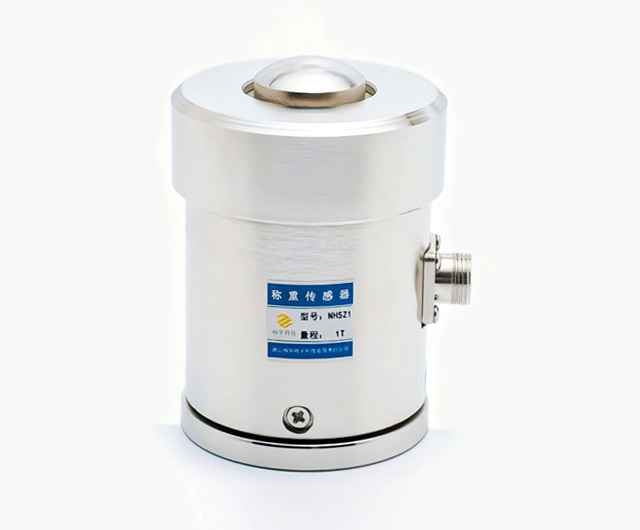
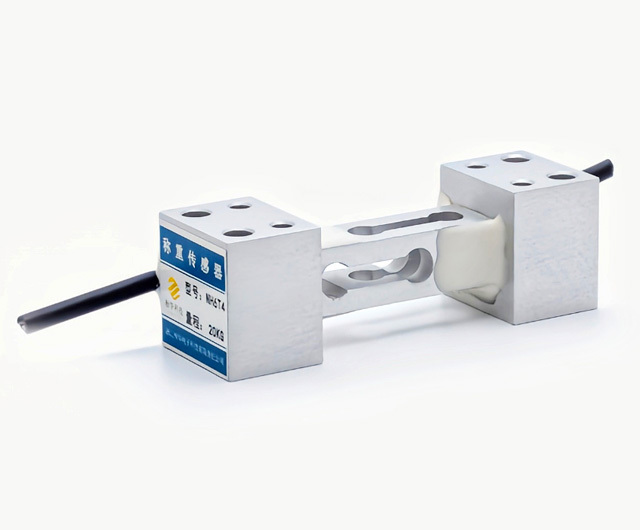
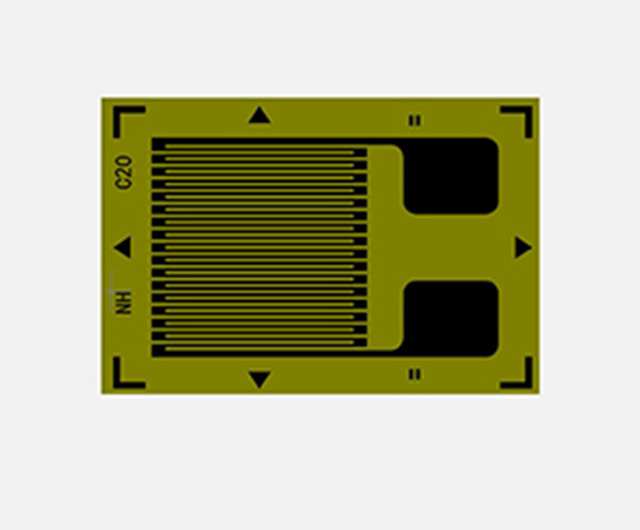
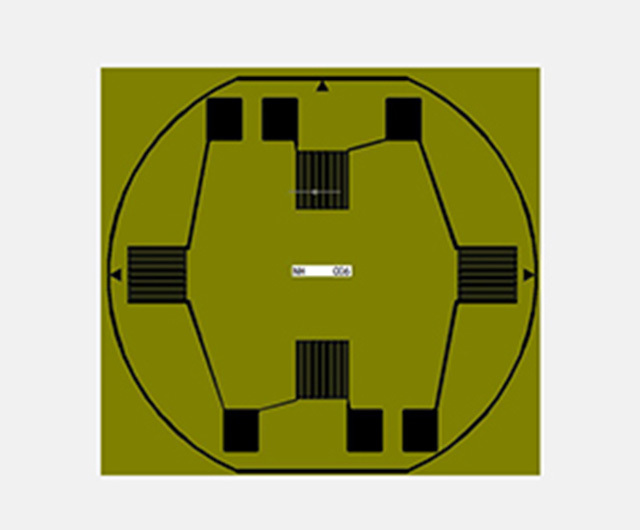
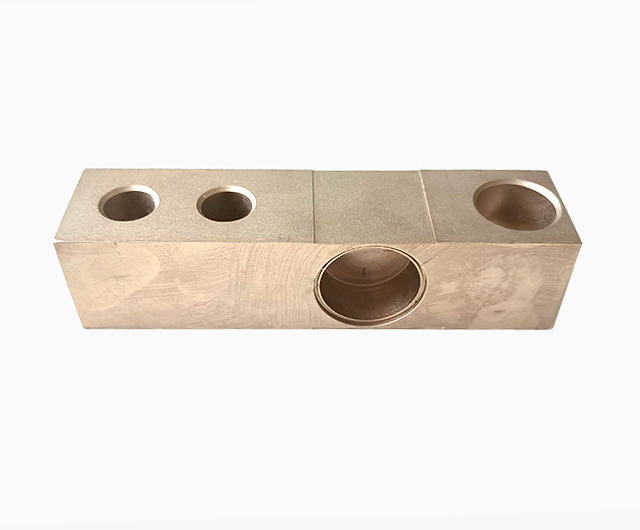
【Weighing Force Sensor】Future Service Areas of Weighing Products and Breakthroughs in High-End Manufacturing
2025-03-27
I. Overview of the Weighing Product Service Industry
Future weighing product applications will penetrate deeply into the following six major fields, exhibiting intelligent, integrated, and scenario-based characteristics:
- Logistics and warehousing: Full-process automation upgrade
- Dynamic weighing technology
In logistics assembly lines, dynamic belt scales use PLC and sensors to achieve 5-sample averaging of cargo weight, with a sorting accuracy of 99.5%. - Unattended weighbridge
Integrating license plate recognition, infrared anti-cheating, and cloud data management functions, shortening weighing time to 8-15 seconds, and connecting to the ERP system to optimize vehicle scheduling. - Typical case
A certain grain enterprise's 100-ton silo weighing system has an error rate controlled within ±0.1%, and it is linked with the inventory management system, improving allocation efficiency by 40%.
- Dynamic weighing technology
- Intelligent manufacturing: A core link in Industry 4.0
- Automated batching system
The pharmaceutical industry uses a high-precision liquid batching system, with multiple sensors working together to ensure that the mixing error is ≤0.2%, meeting GMP certification requirements. - AI data integration
The weighing system is deeply integrated with MES (Manufacturing Execution System), using AI algorithms to predict equipment maintenance needs and reduce downtime.
- Automated batching system
- Environmental protection and public utilities: Precise measurement drives efficiency improvement
- Garbage disposal optimization
Internet of Things smart platform scales upload garbage weight data in real time, optimizing collection routes and reducing transportation costs. - Energy metering
Thermal power plants use explosion-proof weighing sensors to achieve precise monitoring of coal consumption, contributing to carbon reduction goals.
- Garbage disposal optimization
- Medical and health: Key tools for smart healthcare
- Wheelchair weight scale
Designed for patients with limited mobility, with an accuracy of ±0.1 kg, and connected to the medical information system to improve diagnosis and treatment efficiency. - Smart height and weight scale
Uses a non-slip weighing surface and LED display, supporting Bluetooth/Wi-Fi data upload, and is used in physical examination centers and nursing homes.
- Wheelchair weight scale
- Agriculture: Technical support for precision agriculture
- Soybean weighing and metering equipment
Monitors harvesting and transportation weight in real time, optimizing planting strategies. - Intelligent weighing and grouping system for beef cattle
Non-contact measurement of body size, combined with AI analysis, promotes the modernization of farming models.
- Soybean weighing and metering equipment
- Retail: A revolutionary force for marketing efficiency
- Intelligent cash register weighing terminal
A bakery in Shenzhen uses intelligent equipment to optimize inventory management and improve marketing efficiency. - Application scenarios
Fruit shops, grocery stores, supermarkets, and other retail stores, achieving integrated weighing and cash register functions.
- Intelligent cash register weighing terminal
II. Core Requirements of High-End Weighing Products
High-end weighing equipment needs to meet three technical dimensions:
- Accuracy and stability
- Electronic belt scale
Accuracy reaches 0.2 level, equipped with automatic belt tension compensation and temperature drift compensation technology, resisting environmental interference. - Laboratory balance
Division value 0.001g, using single-crystal silicon sensors and electrostatic shielding technology to ensure microgram-level measurement stability.
- Electronic belt scale
- Intelligent functions
- Anti-cheating system
Infrared positioning + camera capture, eliminating vehicle "weight pressing" and "weight jumping" behaviors; data blockchain evidence storage, supporting traceability and auditing. - Remote maintenance
Remote calibration and fault warning are achieved through the 5G network, reducing on-site maintenance costs.
- Anti-cheating system
- Environmental adaptability
- Explosion-proof design
ATEX certified explosion-proof casing, suitable for flammable and explosive environments such as petroleum and chemical industries. - Corrosion-resistant materials
Food-grade stainless steel weighing body, meeting hygiene standards in humid and corrosive environments.
- Explosion-proof design
III. Implementation Path of High-End Manufacturing
- Technological innovation breakthroughs
- Sensor fusion
Combining strain gauge and fiber optic sensing technology to improve dynamic weighing accuracy to 0.1%. - Edge computing
Deploying AI chips on the device side to achieve real-time data filtering and anomaly detection.
- Sensor fusion
- Quality control system
- APQP methodology
In the product design phase, optimize the assembly process through DFMA (Design for Manufacturing) to reduce quality fluctuations. - SPC control
Using statistical process control to implement real-time monitoring of key parameters such as temperature and pressure.
- APQP methodology
- Industry chain collaboration
- Industry-academia-research cooperation
Jointly build a joint laboratory with universities to tackle "bottleneck" technologies such as Internet of Things protocol standardization and multi-sensor fusion algorithms. - Ecosystem construction
Collaborate with software developers and system integrators to create a weighing solution ecosystem of "hardware + software + services".
- Industry-academia-research cooperation
- Diversified technical paths
- Lean production
Optimize resource allocation and improve efficiency. - Standardization and modularization
Reduce manufacturing costs and improve versatility. - Automation and digitalization
Achieve intelligent manufacturing transformation.
- Lean production
IV. Future Outlook
The weighing industry is moving towards an upgraded stage of "intelligent equipment, data assets, and service scenarios." High-end manufacturing needs to focus on three major directions:
- Material innovation
Research and development of graphene strain sensors to improve sensitivity and lifespan. - Standard leadership
Participate in international OIML certification and promote Chinese weighing technology to become a global standard. - Service transformation
Extend from "selling equipment" to "selling data," providing value-added services such as supply chain finance and quality traceability.
Conclusion
The future competition of weighing products is essentially a battle of the integration of precision, intelligence, and scenarios. Enterprises must use technological innovation as a spear, quality as a shield, and ecology as a territory to seize the opportunity in the wave of high-end manufacturing.
Previous page
More news

Hotline
Technical Support
Address
No. 1, Building 1, Yin Cang Road, Green Industry Cluster, Quzhou City, Zhejiang Province
Follow us



Copyright © 2024 Zhejiang Nan Hua Electronic Technology Co., Ltd. | Powered by www.300.cn