

-
Products
-
-
-
-
Contact Us
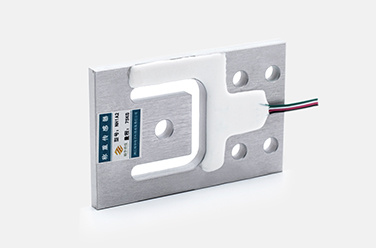
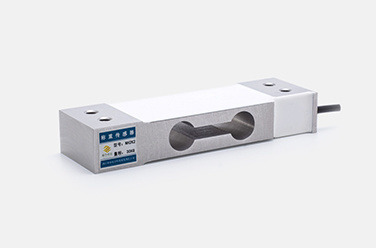
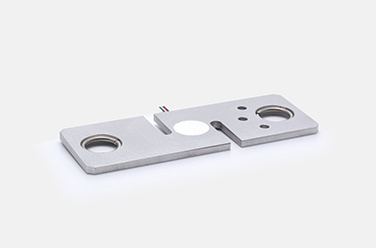
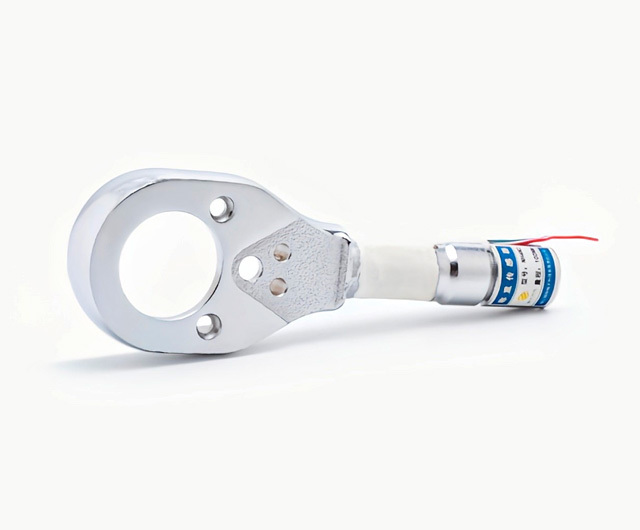
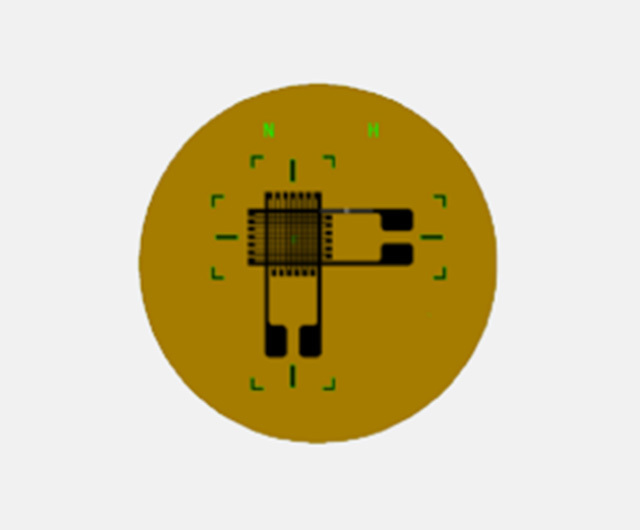
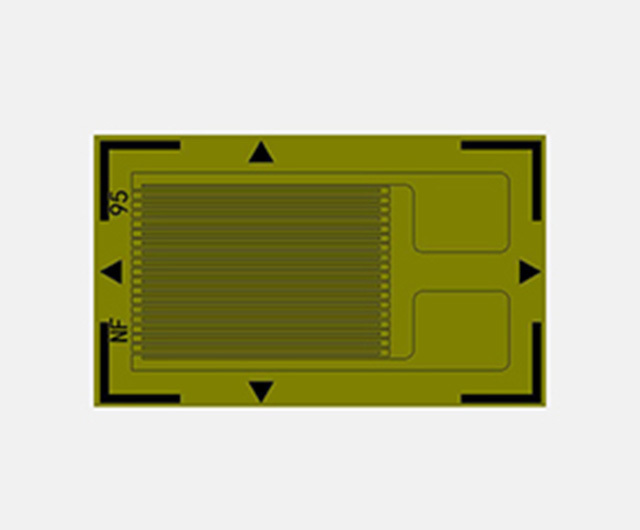
How to choose a high-precision strain gauge suitable for your project?
2024-06-03
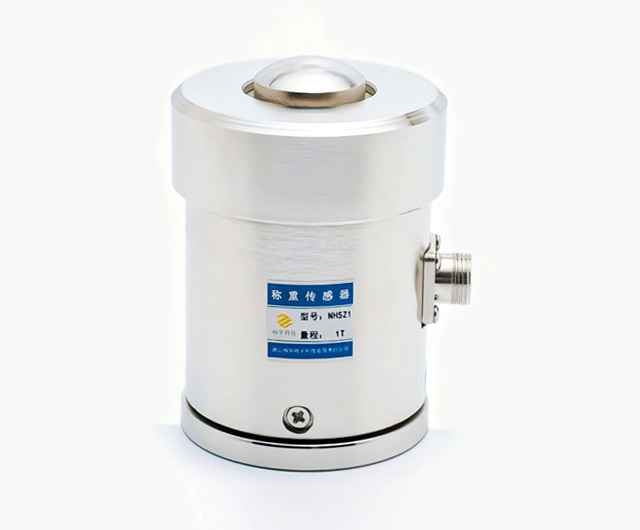
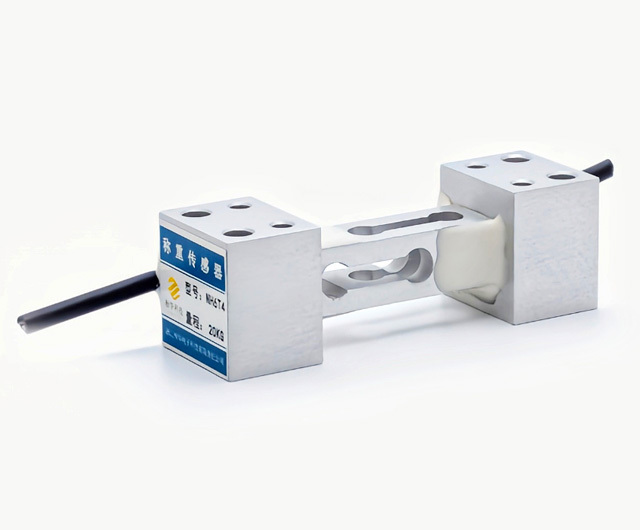
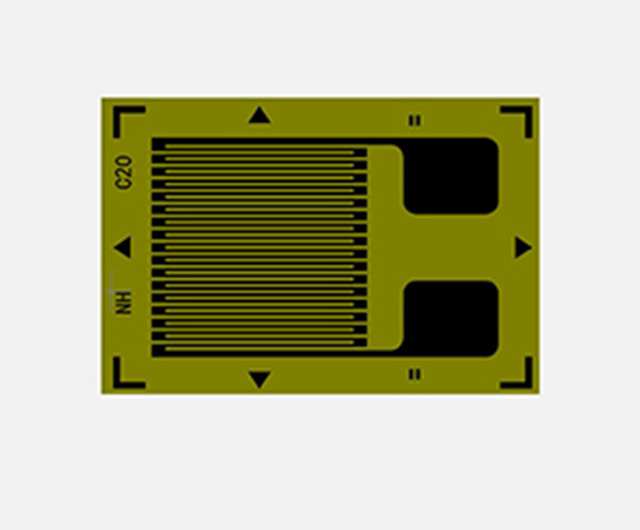
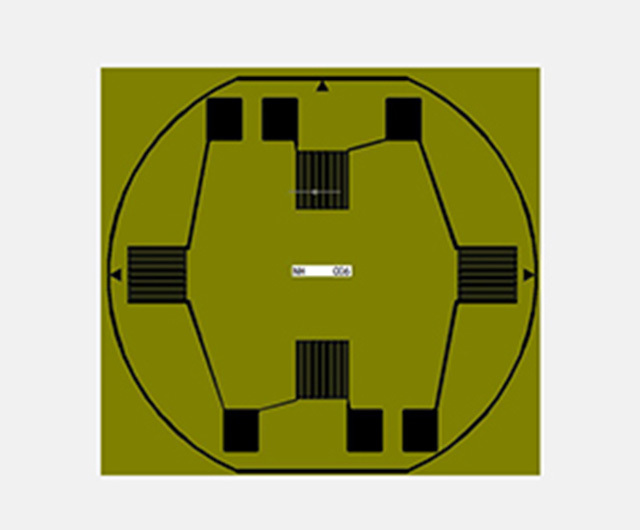
Choosing a high-precision strain gauge suitable for your project is crucial, as it directly impacts the project's accuracy and reliability. Several key factors need to be considered when selecting a strain gauge:
Accuracy Requirements: First, determine the project's accuracy requirements, such as the needed measurement precision. This will determine the level of high-precision strain gauge to choose. Generally, high-precision strain gauges can achieve 0.1% accuracy or higher.
Measurement Range: Determine the strain range the project needs to measure to select the appropriate strain gauge. Different models of strain gauges have different measurement ranges; choose based on actual needs.
Operating Environment: Consider the project's operating environment, such as temperature and humidity, to choose a suitable high-precision strain gauge. Some strain gauges have good anti-interference capabilities and are suitable for use in complex environments.
Brand and Quality: Choose a high-precision strain gauge from a reputable brand to ensure product quality and stability. Brand-name products usually have strict quality control and after-sales service, providing better product support.
Ease of Installation and Use: Consider whether the strain gauge's installation method and usage meet project requirements and are easy to operate and maintain. Choosing a high-precision strain gauge that is easy to install and use can improve work efficiency and reduce failure rates.
In summary, selecting a high-precision strain gauge suitable for your project requires comprehensively considering factors such as accuracy requirements, measurement range, operating environment, brand and quality, and ease of installation and use. Only by fully considering these key factors can you choose the most suitable high-precision strain gauge, providing reliable support for the smooth progress of the project.
Previous page
More news

Hotline
Technical Support
Address
No. 1, Building 1, Yin Cang Road, Green Industry Cluster, Quzhou City, Zhejiang Province
Follow us



Copyright © 2024 Zhejiang Nan Hua Electronic Technology Co., Ltd. | Powered by www.300.cn