

-
Products
-
-
-
-
Contact Us
How do sensors improve industrial production efficiency?
2024-06-12
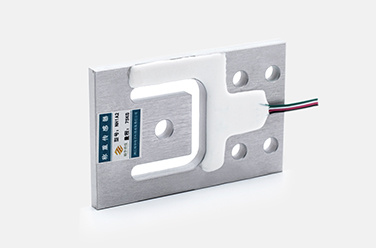
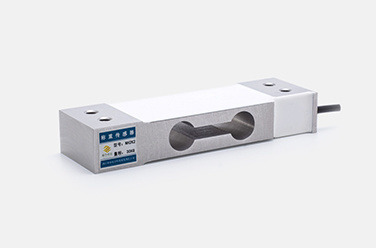
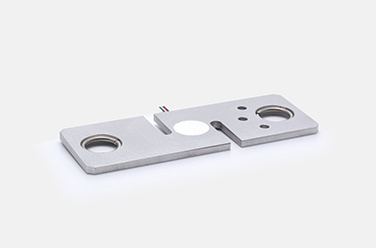
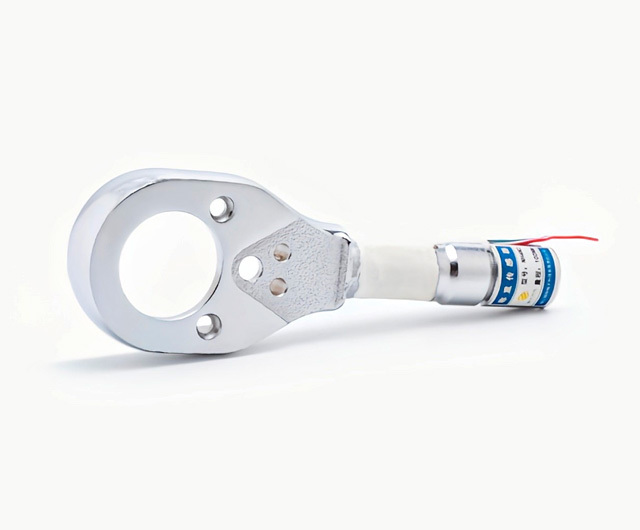
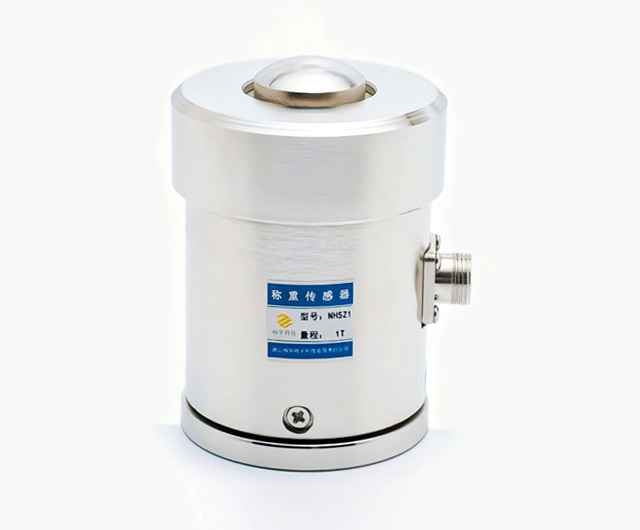
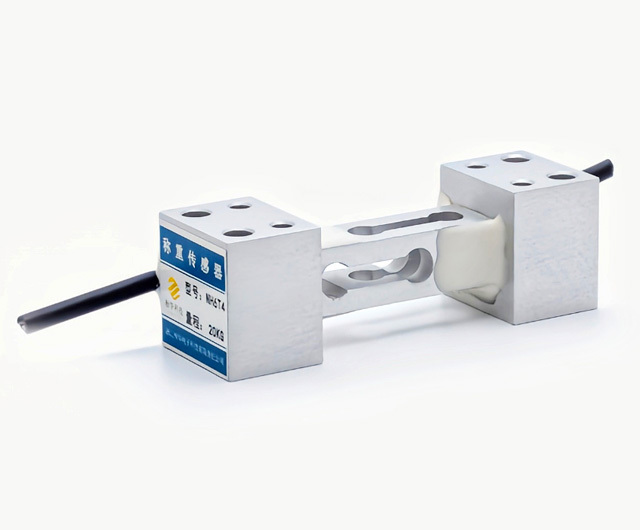
Sensors are an indispensable part of industrial production. They can be used to monitor and control various parameters in the production process in real time, thereby effectively improving production efficiency. In industrial production, the application of sensors can greatly simplify production processes, reduce human error, and achieve automated production. Here are some important aspects of how sensors improve industrial production efficiency:
1. Real-time Monitoring and Control: Sensors can monitor various parameters in the production process in real time, such as temperature, pressure, humidity, and flow rate, so as to promptly discover abnormal situations in the production process, issue warnings, and take timely measures to prevent problems. Sensors can also achieve automatic control, automatically adjusting the operating parameters of production equipment based on the monitored data, thereby ensuring the stability and consistency of the production process.
2. Improving Production Quality: Sensors can accurately monitor and record various parameters in the production process to ensure that products meet quality requirements. Sensors can detect product size, shape, color, and other characteristics, promptly identify product defects, and perform classification and sorting. Sensors can also achieve unmanned detection, greatly reducing the impact of human factors on product quality and improving product quality consistency.
3. Saving Energy and Resources: Sensors can monitor the energy consumption and resource consumption of equipment, promptly identify problems of energy waste and resource waste, and adjust equipment operating parameters based on the actual situation to optimize the production process and reduce energy and resource waste. Sensors can also achieve intelligent energy-saving control, dynamically adjusting equipment operating modes based on production needs and actual conditions to further reduce energy and resource consumption.
4. Improving Production Efficiency: Sensors can achieve automated production, reduce manual intervention and operation, simplify production processes, and improve production efficiency. Sensors can monitor the operating status and production efficiency of equipment, promptly identify equipment failures and production bottlenecks, provide data support, and help production managers make reasonable production scheduling and decisions to improve production efficiency and capacity utilization.
5. Achieving Intelligent Manufacturing: Sensors, combined with artificial intelligence and big data technologies, can achieve intelligent manufacturing. Through the analysis and learning of large amounts of data, they optimize production processes and product design, improve production efficiency and product quality, and achieve customized production. Sensors can also be combined with Internet of Things technology to achieve remote monitoring and control of equipment, enabling flexible production and remote management, further improving production efficiency.
In general, sensors play an important role in industrial production. They can monitor and control various parameters in the production process in real time, improve production quality, save energy and resources, improve production efficiency, and achieve intelligent manufacturing, thereby improving the efficiency and competitiveness of industrial production. With continuous technological development and innovation, the application prospects of sensors in industrial production will be even broader, contributing more to the goals of intelligent manufacturing and Industry 4.0.
Previous page
More news

Hotline
Technical Support
Address
No. 1, Building 1, Yin Cang Road, Green Industry Cluster, Quzhou City, Zhejiang Province
Follow us



Copyright © 2024 Zhejiang Nan Hua Electronic Technology Co., Ltd. | Powered by www.300.cn