

-
Products
-
-
-
-
Contact Us
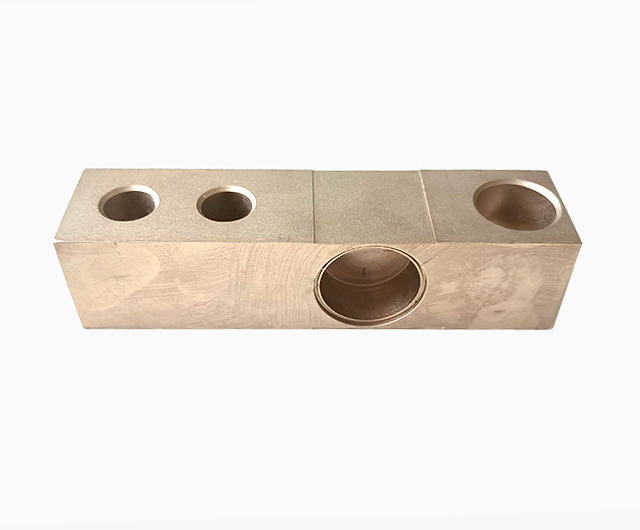
What are the principles and working mechanism of the sensor?
2024-06-12
A sensor is a device used to sense specific information about an environment or object and convert it into an electrical signal. In modern science and engineering, sensors are widely used in various fields, such as industrial production, healthcare, and environmental monitoring. The principles and mechanisms of sensors can be broadly categorized into the following types:
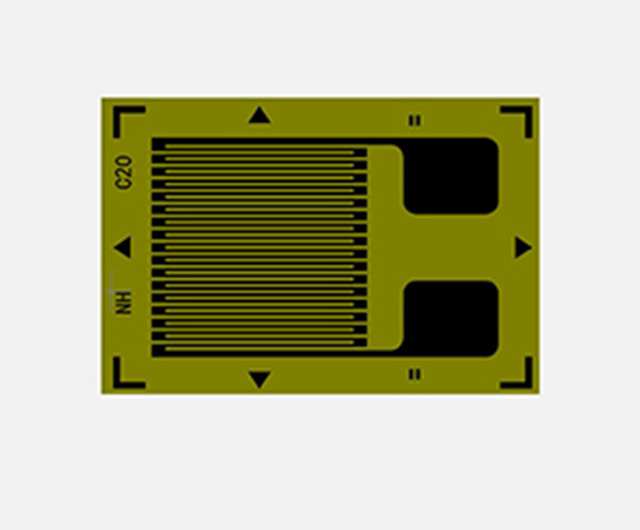
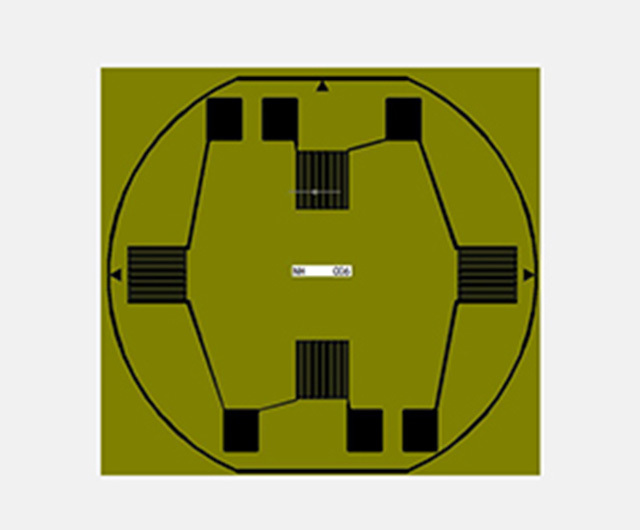
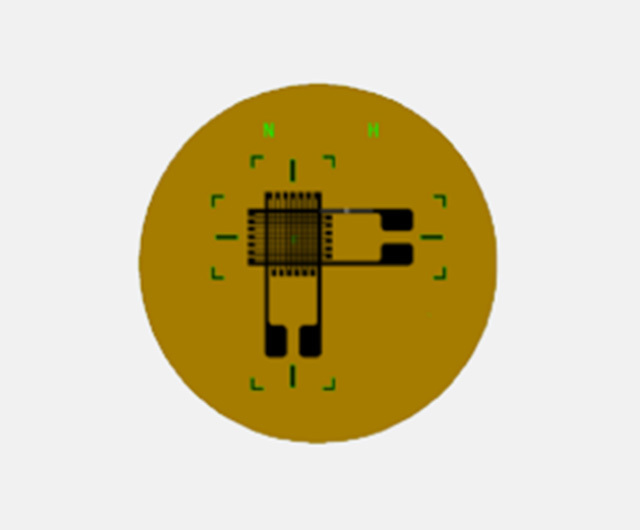
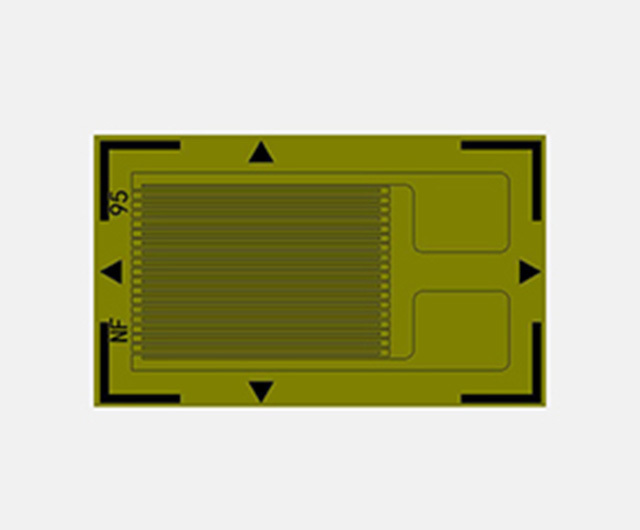
Resistive sensors: Resistive sensors operate based on the correlation between resistance value and the measured physical quantity. When the measured physical quantity changes, the resistance value changes accordingly. By measuring the change in resistance value, the value of the measured physical quantity can be determined.
Photosensitive sensors: Photosensitive sensors measure the optical properties of an object by sensing the intensity or frequency of light. Their working principle utilizes the photoelectric effect of semiconductor materials. When light shines on the surface of a semiconductor, charges are generated, thereby changing the resistance value.
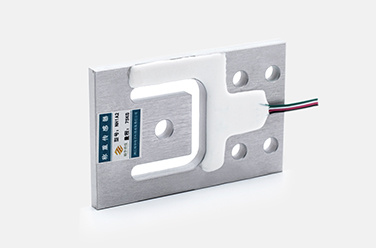
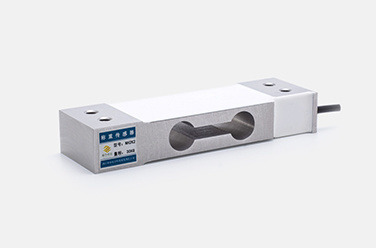
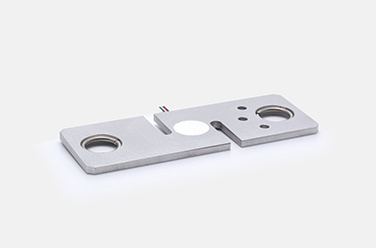
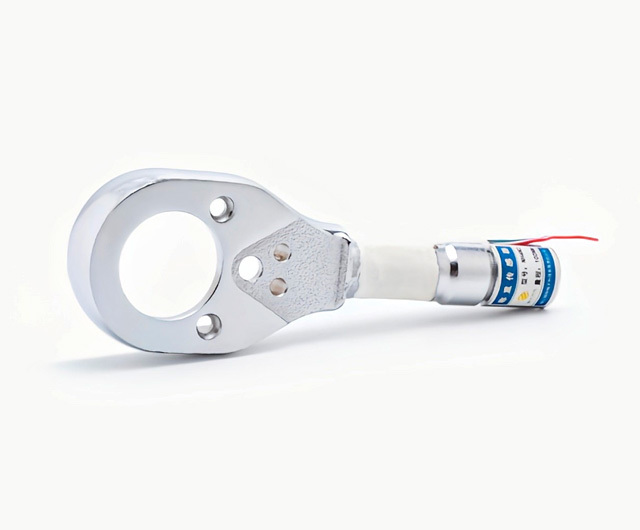
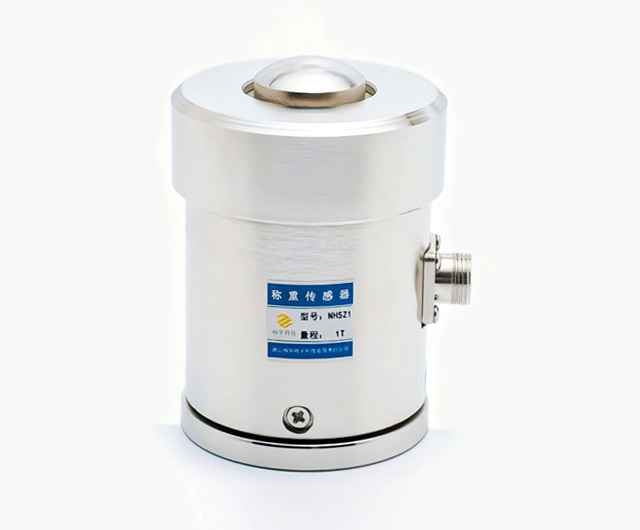
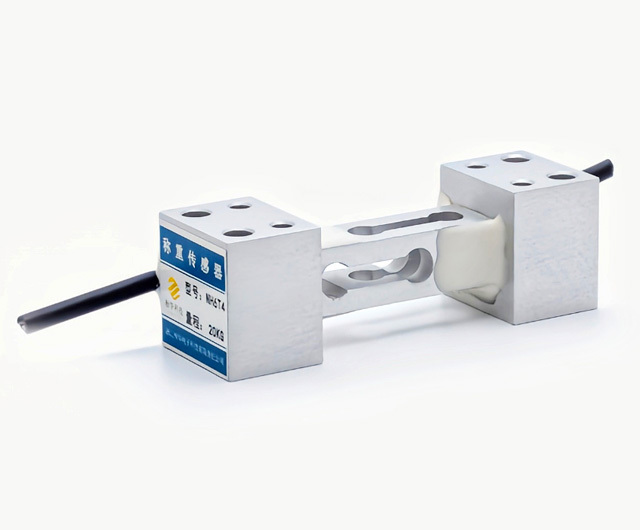
Pressure sensors: Pressure sensors measure the pressure of an object based on the relationship between pressure and deformation. When an object is subjected to external pressure, its structure undergoes a slight deformation. By measuring this deformation, the magnitude of the pressure exerted on the object can be determined.
Temperature sensors: Temperature sensors measure the temperature of an object. Common temperature sensors include thermistors and thermoresistors. Their working principle utilizes the effect of temperature on resistance value to measure the temperature of an object.
Accelerometers: Accelerometers are used to measure the magnitude and direction of an object's acceleration in space. Their working principle is to determine the object's acceleration by measuring its inertial force. Common accelerometers include piezoelectric accelerometers and Microelectromechanical Systems (MEMS) accelerometers.
The working mechanism of a sensor typically involves three processes: sensing, conversion, and output. When a sensor senses specific information about the target object or environment, it converts the information into an electrical signal and outputs it to the relevant data processing system or device. The accuracy and sensitivity of a sensor depend on the design of its internal sensing element and signal processing circuit, and calibration and debugging are required to ensure its stable and reliable performance.
In summary, sensors are crucial components in modern technology. Their principles and working mechanisms are diverse, and different types of sensors are suitable for different application fields. With the continuous development of technology, the functions and performance of sensors will be further enhanced, creating more convenience and benefits for humanity.

Previous page
More news

Hotline
Technical Support
Address
No. 1, Building 1, Yin Cang Road, Green Industry Cluster, Quzhou City, Zhejiang Province
Follow us



Copyright © 2024 Zhejiang Nan Hua Electronic Technology Co., Ltd. | Powered by www.300.cn