

-
Products
-
-
-
-
Contact Us
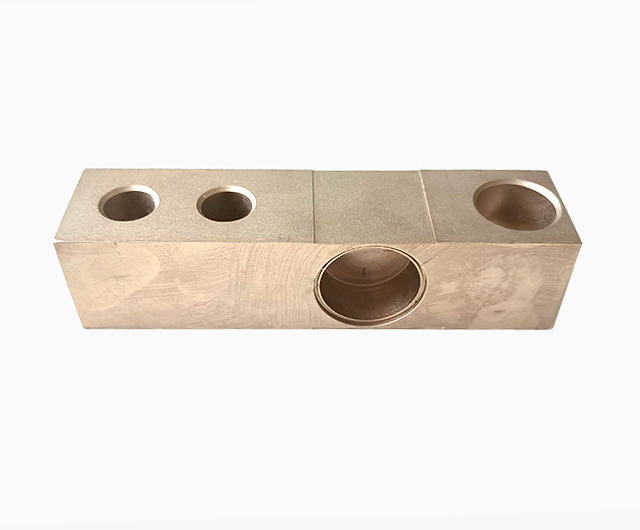
Six-axis force sensor: A new milestone in exploring future sensing technologies.
2025-11-29
In modern industrial production, six-axis force sensors are essential devices widely used in various industrial and civilian fields, including the automotive industry, aerospace, and medical equipment. Particularly in the robotics sector, these sensors present significant technical and operational challenges, making them critically important for the robotics industry chain and other intelligent assembly applications. Therefore, the Ministry of Industry and Information Technology has included six-axis force sensors in the category of key core components slated for prioritized development.
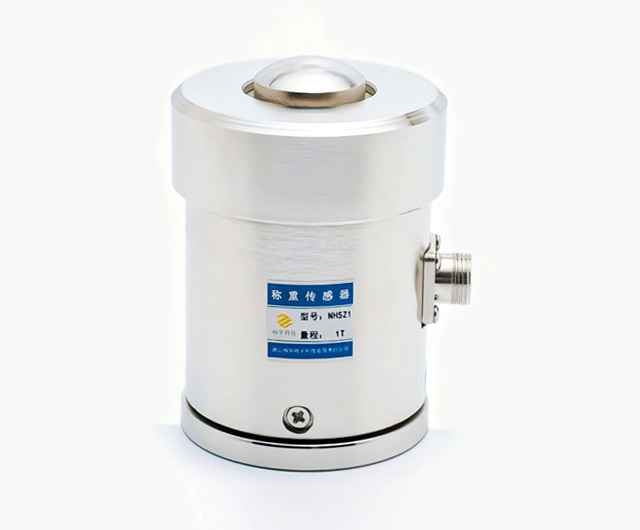
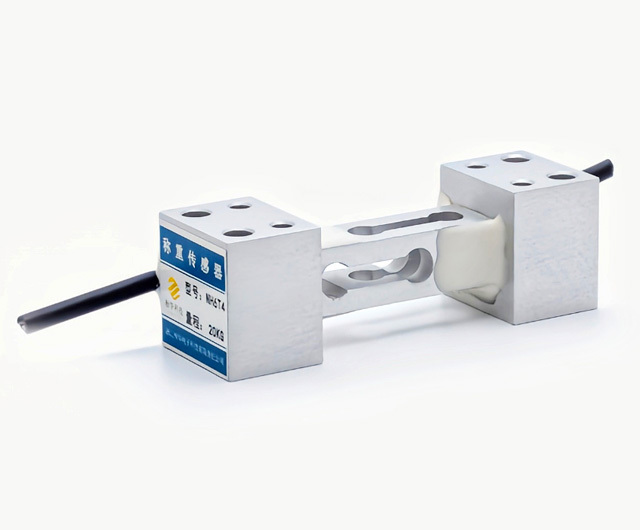
A force sensor is a type of sensor that detects and measures forces, and can also measure the gravitational force acting on an object. Depending on the number of dimensions being measured, force sensors can be categorized into one-dimensional to six-dimensional force sensors.
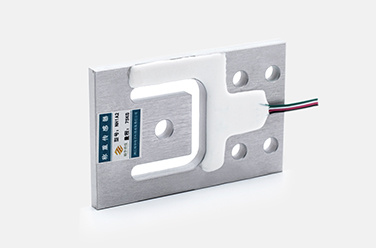
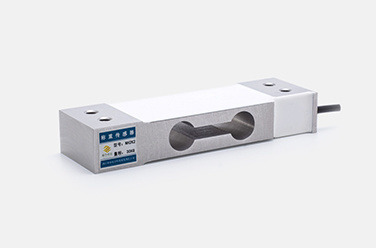
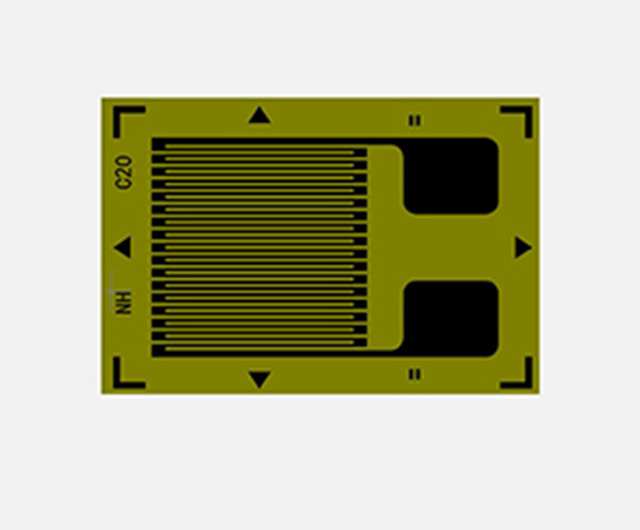
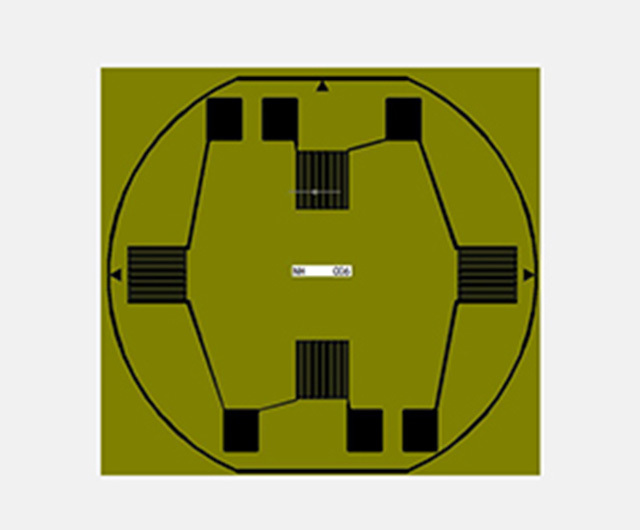
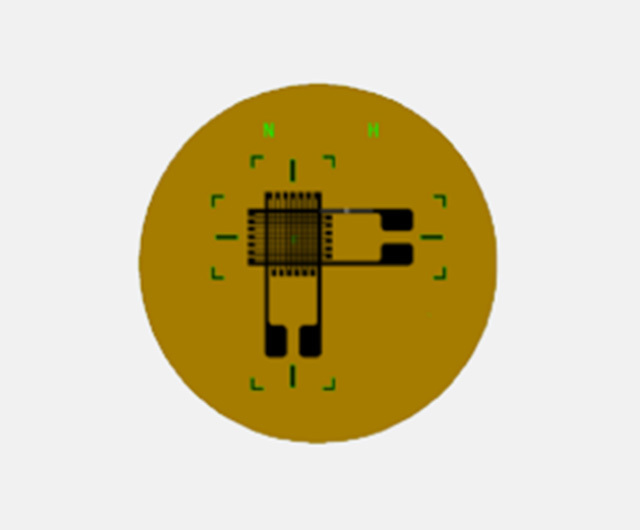
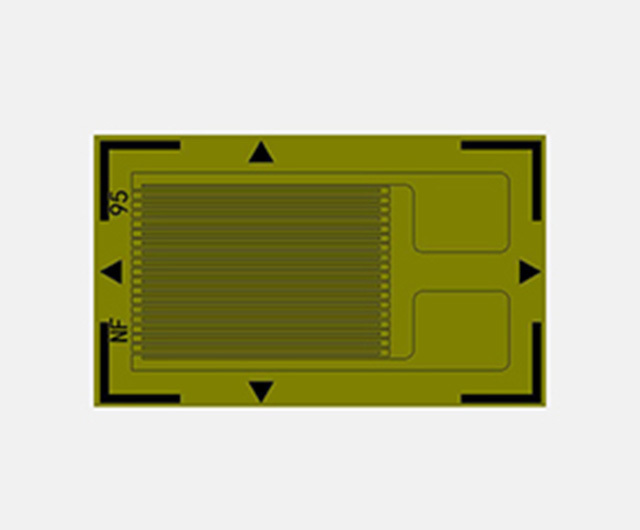
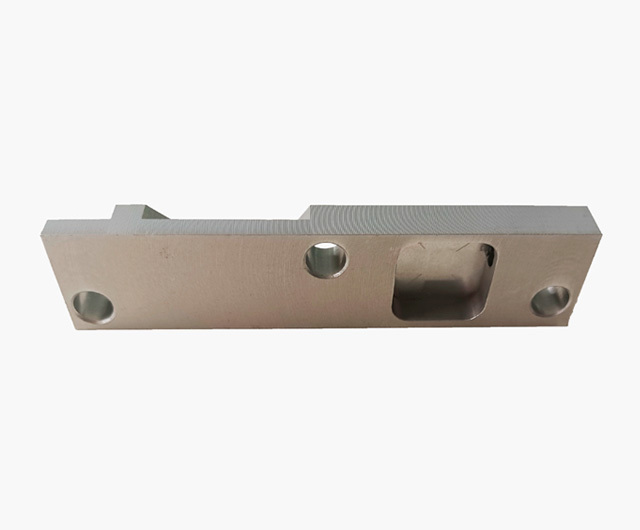
A load cell is a one-dimensional force sensor because it can only measure the gravitational force acting perpendicular to the ground. If a sensor can measure forces or torques in all three spatial dimensions, then it is a three-dimensional force sensor. A six-axis force sensor, also known as a six-degree-of-freedom force sensor, is a type of sensor that can measure both the forces acting on an object in three directions and the torques about those three directions. Typically, such sensors consist of a load-bearing component, an elastic element, strain gauges, and a signal-processing circuit. , Its primary principle is based on strain measurement technology. By measuring the changes in strain caused by forces acting on internal elastic elements within an object, it employs various sensing principles—such as piezoresistive, strain gauge, capacitive, and magnetic—to determine both the magnitude and direction of the force. The measurement results are then converted into readable data for output. Through precise measurement and accurate analysis, a six-axis force sensor can monitor the force conditions acting on an object in real time and provide timely feedback.
A six-axis force sensor is the most highly dimensional force-sensing device, capable of providing the most comprehensive force information. The six-axis force sensor boasts numerous unique features, which are among the key factors that have made it a best-selling product. It features high precision and high sensitivity, allowing it to easily detect even the slightest changes in force, thereby meeting the needs of a wide range of applications. In addition, the six-axis force sensor exhibits rapid response characteristics, enabling it to record and transmit data in real time, ensuring that users can receive timely feedback and make adjustments accordingly. Furthermore, the six-axis force sensor is durable and reliable, making it suitable for use in various harsh environmental conditions.
The Development History of Six-Axis Force Sensors
The demand for six-axis force measurement first arose in the field of aerospace vehicle research (Figure 1). Six-axis force sensors installed inside aircraft are used to measure the aerodynamic characteristics of the vehicle, including lift, drag, lateral forces, pitch moment, yaw moment, and roll moment (Figure 2). Since forces in three orthogonal directions and moments about three orthogonal axes are measured simultaneously, a six-axis force sensor is required.

Figure 1: Aerodynamic Measurement Experiment for Aircraft

Figure 2: Simultaneous measurement of the six components—lift, drag, lateral force, and pitch, yaw, and roll moments.
The earliest six-axis force measurements did not rely on sensors; instead, they employed large-scale mechanical devices that were extremely complex in both principle and fabrication (Figure 3).

Figure 3: Early mechanical six-axis force measurement device
With the advancement of sensitive component technologies, six-axis force sensors have emerged and have since been gradually applied to numerous technological fields, including automotive testing, biomechanics, and robotics. Of course, in different application areas, the product forms and technical characteristics of six-axis force sensors also vary considerably.
In situations requiring precise measurement, using a six-axis force sensor not only enables accurate force measurement but also allows the estimation of the pose of the loaded component by leveraging the torque information obtained. At the same time, it continuously monitors whether the torque remains within a safe range, effectively preventing overload damage to the sensor.
Six-axis force measurement technology is a versatile platform technology that can be customized to meet different application scenarios and requirements. Six-axis force sensors come in various product forms across different industries, depending on factors such as the environment, load conditions, installation methods, communication protocols, computing power, and dynamic characteristics. Developing such sensors is extremely challenging, as it involves more than simply stacking three one-dimensional force sensors and three torque sensors. These sensors exhibit pronounced nonlinear mechanical characteristics, requiring careful consideration of issues such as temperature drift, creep, cross-coupling interference, and real-time data processing across multiple channels. Moreover, due to the complexity of calibrating six-axis forces under combined loading conditions, the technical difficulty of six-axis force sensors is six orders of magnitude greater than that of one-dimensional force sensors.
Application fields of six-axis force sensors
The six-axis force/torque sensor can precisely measure forces and torques along the three spatial coordinate axes—X, Y, and Z—of a robot. Dubbed the robot’s “tactile nerve” and the intelligent system’s “sensory hub,” this sensor—with its multidimensional sensing capability—has already played a critical role in numerous high-precision and cutting-edge fields.
I. Industrial Robotics and Automation Sector (market share approximately) 52% )
1. Precision assembly
Shaft-hole docking: A six-axis force sensor is mounted at the robot’s end effector to sense minute resistance in real time. ( Accuracy reaches 0.01N) , automatically adjust the angle to complete it. " Thread the needle " Level assembly: After applying a certain collaborative robot, the assembly accuracy reaches... 0.02mm
Electronics manufacturing: in mobile phones, computers, and more 3C In product assembly, precise force control prevents component damage and improves the yield rate.
2. Smart Polishing / Polishing
Real-time monitoring of contact force and automatic adjustment of pressure ensure consistent product surface quality, resulting in improved efficiency after application in a certain automotive parts grinding process. 30% The non-performing rate has decreased. 40%
Suitable for high-precision surface treatment of aerospace engine blades, medical devices, and other components.
3. Quality Inspection and Process Monitoring
Measure the mechanical properties of the product, perform contour scanning and vibration analysis, and establish the product. " Fingerprint of force " Database
In automotive welding, real-time adjustment of the welding torch posture has led to a decrease in the defect rate after a certain factory implemented this approach. 40%

II. Healthcare Sector (market share approximately) 21% )
1. Surgical robot
Minimally Invasive Surgery: For example, the da Vinci Surgical System utilizes six-dimensional force feedback. ( Resolution 0.01N) Achieve 0.1 mm Suture of grade vessels to reduce surgical risks and enhance precision.
Orthopedic surgery: Assists surgeons in precisely controlling the force and angle of bone screw placement, thereby reducing patient trauma.
2. Rehabilitation medicine
Rehabilitation exoskeleton: Monitors the strength of patients’ limb movements, optimizes gait trajectories, and reduces energy consumption during movement. 20% Help stroke and paraplegia patients regain their ability to walk.
Smart prosthetics: Sense ground reaction forces, enable adaptive walking, and improve patients' quality of life.

III. Aerospace and Defense Sector
1. Aircraft Testing and Control
Wind tunnel testing: Measures aerodynamic loads on wings, fuselage, and other components, providing critical data for aircraft design and optimizing aerodynamic performance.
Engine Testing: Precisely measure the thrust vector and verify engine performance and stability.
Flight Simulator: Provides realistic haptic feedback to enhance pilot training effectiveness.
2. Spacecraft and Satellites
Docking mechanism: Real-time monitoring of contact forces and torques during space docking to ensure precise alignment—certain sensor models in... - 196℃~+125℃ Stable operation in extreme environments
Robotic arm operation: For example, the Chinese space station’s robotic arm uses six-axis force sensing to perform precise extravehicular operations.

IV. Automotive Industry Sector (market share approximately) 7.6% )
1. Safety Performance Testing
Crash Testing: Measuring the distribution of forces acting on various body parts at the moment of impact, optimizing the airbag deployment logic and vehicle body structure design; a certain testing organization achieved improved data accuracy through post-processing. 50%
Seat Comfort: Quantify pressure distribution under different sitting postures to design seats that are more ergonomically aligned.
2. Component Testing
Suspension System: Measures the forces and torques acting on shock absorbers, optimizes chassis tuning, and enhances driving stability and comfort.
Steering System: Evaluate steering wheel effort and return torque to enhance handling performance.
V. Research and Education Fields
1. Mechanics Experiment Research
Material Mechanics Testing: Precisely measures multi-dimensional stress states such as tension, compression, and bending, and obtains the material's constitutive relationship.
Biomechanical Research: Analyzes forces acting on human joints and muscle activity, providing data support for sports medicine and rehabilitation therapy.
2. Robotics R&D
Provide precise force sensing for robotics labs at universities and research institutions, supporting algorithm development and control strategy research, such as: iCub Humanoid robots use six-axis force sensors for gait balance and contact detection.
VI. Emerging Application Fields
1. Humanoid robots (the fastest-growing field of the future)
Wrist application: Enhances the precision of grasping, enabling complex actions such as holding a pen to write or pouring water.
Ankle application: Perceives ground reaction forces, maintains walking balance, and adapts to various terrains (such as stairs and slopes), making the humanoid robot’s gait more natural and stable.
2. New energy technologies
Battery Testing: Assessing cell compression deformation, enhancing lithium battery consistency, and providing early warnings of thermal runaway risks.
Hydrogen fuel cells: Precisely control pressure during stack assembly to ensure sealing performance and power generation efficiency.
3. Specialized operations
Marine Engineering: Deep-Sea Robotic Arm (4500 Under the rice water ) Measure the forces exerted by ocean currents and gripping forces, supporting marine resource exploration and rescue operations.
Hazardous environments: Chemical explosion-proof robots and coal mining equipment provide reliable force feedback to ensure personnel safety.
Six-axis force sensors have gradually expanded from the field of industrial automation into multiple high-precision and advanced sectors, including medical, aerospace, automotive, and scientific research, becoming integral to intelligent manufacturing and smart systems. " Perceptual Foundation " With the rapid development of humanoid robots, minimally invasive medical technologies, and the new energy industry, their application scenarios will continue to expand, and market demand is expected to remain strong. 20% The above annual growth rate.
Previous page
More news

Hotline
Technical Support
Address
No. 1, Building 1, Yin Cang Road, Green Industry Cluster, Quzhou City, Zhejiang Province
Follow us



Copyright © 2024 Zhejiang Nan Hua Electronic Technology Co., Ltd. | Powered by www.300.cn