

-
Products
-
-
-
-
Contact Us
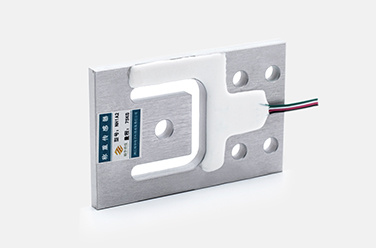
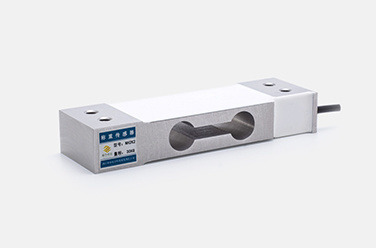
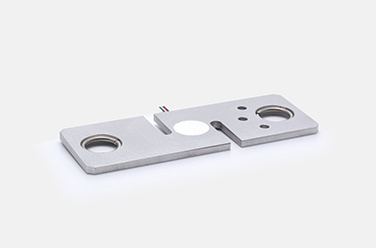
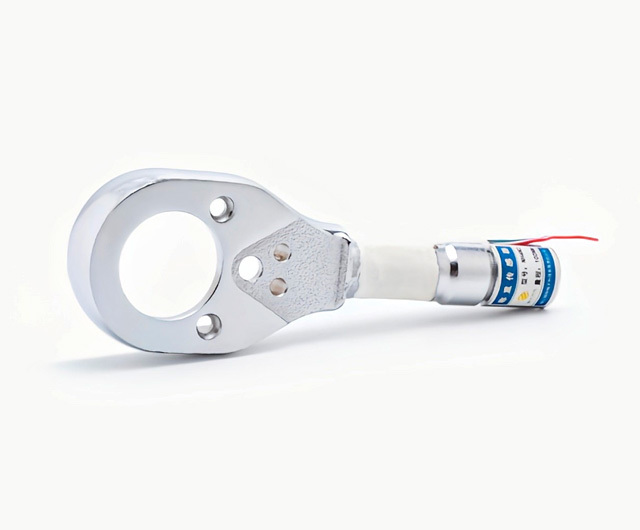
Development direction and application of multi-dimensional force sensors
2025-02-22
Future Development and Applications of Multi-axis Force Sensors

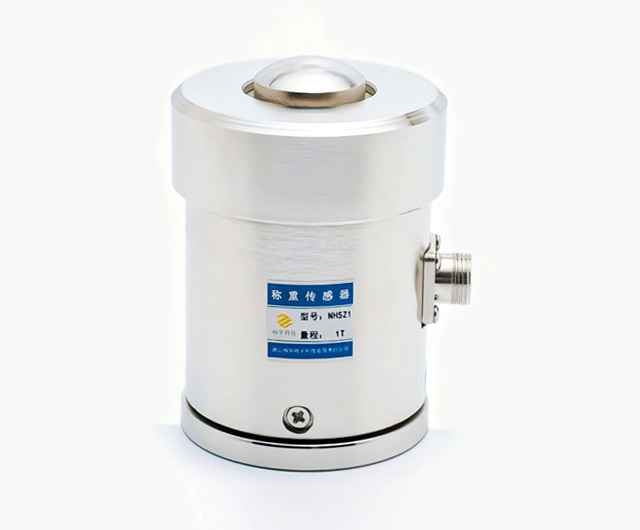
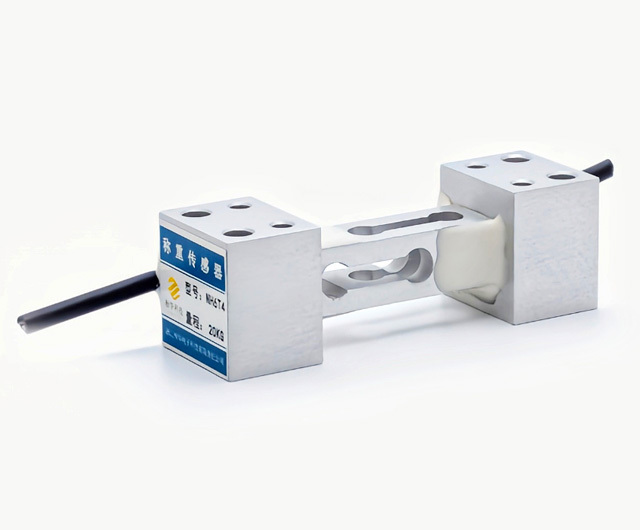
Multi-axis force sensors can simultaneously measure forces and torques in multiple directions. With technological advancements, their development directions and application fields will become even broader, bringing about transformations across multiple industries.
Development Directions
• High Precision and High Sensitivity
Future sensors will possess higher precision and sensitivity, capable of capturing minute forces and complex torque changes, meeting the demands of precision manufacturing and medical fields.
• Miniaturization and Integration
Sensors will trend towards miniaturization and integration, facilitating embedding in small devices and expanding applications in consumer electronics and medical equipment.
• Intelligence and Networking
Combining AI and IoT technologies, sensors will have real-time data processing and remote monitoring capabilities, improving automation levels.
• Multi-functionality
Future sensors will not only measure force but also detect parameters such as temperature and humidity, adapting to complex environments.
• Material Innovation
The application of new materials such as nanomaterials and flexible materials will enhance sensor performance and durability.
Application Industries and Industrial Changes
• Industrial Automation
Applications: Used in robots, assembly lines, and precision machining to improve operational precision and efficiency.
Industrial Changes: Promoting intelligent manufacturing, reducing manual intervention, and improving production quality.
• Medical and Rehabilitation
Applications: Used in surgical robots, prosthetics, and rehabilitation equipment to improve surgical precision and patient rehabilitation outcomes.
Industrial Changes: Promoting precision medicine and personalized rehabilitation, improving medical services.
• Consumer Electronics
Applications: Used in smartphones, game controllers, and wearable devices to enhance user experience.
Industrial Changes: Promoting human-computer interaction innovation and enhancing product competitiveness.
• Automotive Industry
Applications: Used in autonomous driving, crash testing, and vehicle control to improve safety and driving experience.
Industrial Changes: Promoting the development of intelligent driving technology and improving vehicle intelligence levels.
• Aerospace
Applications: Used in flight control, structural health monitoring, and wind tunnel testing to improve flight safety.
Industrial Changes: Promoting advancements in aircraft design and testing technology, improving reliability.
• Research and Education
Applications: Used in research in physics, biomechanics, etc., to improve experimental precision.
Industrial Changes: Promoting scientific research innovation and improving the quality of education.
Summary
The development of multi-axis force sensors will drive technological advancements and industrial upgrades across multiple sectors, particularly in industrial automation, medical, consumer electronics, automotive, aerospace, and research fields, bringing about higher production efficiency, better user experiences, and safer operating environments.
Below are specific examples of multi-axis force sensor applications in different industries, showcasing their diverse uses in real-world scenarios.
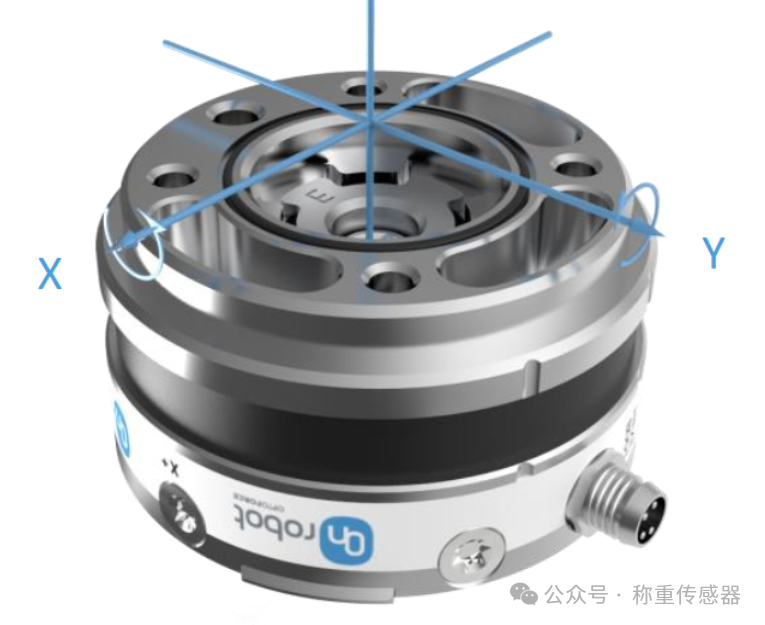
1. Industrial Automation
Application Example: Collaborative Robot (Cobot)
Collaborative robots need to work alongside humans. Multi-axis force sensors installed at the end of the robotic arm can detect the contact force between the robot and the environment or humans in real time. For example, on an assembly line, the robot can precisely control the force of tightening screws, preventing damage to parts or injury to operators.
Changes Brought About: Improves the flexibility and safety of production lines, reduces manual intervention, and achieves efficient human-robot collaboration.
2. Medical and Rehabilitation
Application Example: Surgical Robots
With the assistance of multi-axis force sensors, surgical robots can sense the contact force between surgical instruments and human tissue, helping doctors perform high-precision operations. For example, the da Vinci Surgical System uses multi-axis force sensors to achieve precise cutting and suturing in minimally invasive surgery.
Changes Brought About: Improves surgical precision, reduces patient trauma, and promotes the development of minimally invasive and remote surgery.
Application Example: Smart Prosthetics
Multi-axis force sensors embedded in prosthetic joints can sense the user's movement intentions and environmental reaction forces, achieving more natural movement control. For example, smart prosthetics can adjust gait based on ground reaction force, helping amputees walk more easily.
Changes Brought About: Improves the practicality and user experience of prosthetics and promotes the personalized development of rehabilitation medicine.
3. Consumer Electronics
Application Example: Smartphone Haptic Feedback
Multi-axis force sensors are used to detect the force with which a user presses the screen, achieving different haptic feedback. For example, Apple's 3D Touch technology uses multi-axis force sensors to sense pressing force and provide different operational functions.
Changes Brought About: Improves the human-computer interaction experience and promotes functional innovation in smartphones and other consumer electronics products.
Application Example: Game Controllers
Multi-axis force sensors integrated into game controllers can sense the player's operating force and direction, providing a more realistic gaming experience. For example, the Sony PS5's DualSense controller uses multi-axis force sensors to achieve precise force feedback.
Changes Brought About: Enhances the immersion of games and promotes the upgrading of interactive technology in the gaming industry.
4. Automotive Industry
Application Example: Autonomous Vehicles
Multi-axis force sensors are used to detect the operating force of the steering wheel and the contact force between the tires and the ground, helping the autonomous driving system adjust the vehicle's posture in real time. For example, Tesla's autonomous driving system uses multi-axis force sensors to sense the driver's operating intentions and achieve safer autonomous driving.
Changes brought about: Improved safety and reliability of autonomous driving, and promoted the development of intelligent transportation systems.
Application example: Collision testing
In automotive collision tests, multi-axis force sensors are installed on dummies to measure the forces on various parts during a collision, assessing vehicle safety.
Changes brought about: Improved vehicle safety design and promoted the improvement of automotive safety standards.
5. Aerospace
Application example: Aircraft structural health monitoring
Multi-axis force sensors are installed in key parts of aircraft wings or fuselages to monitor stress distribution during flight in real time, predicting structural fatigue and damage. For example, Boeing and Airbus aircraft use multi-axis force sensors for structural health monitoring.
Changes brought about: Improved flight safety, reduced maintenance costs, and extended aircraft lifespan.
Application example: Wind tunnel testing
In aircraft design, multi-axis force sensors are used in wind tunnel testing to measure the force and moment distribution of models under different airflow conditions, optimizing aircraft design.
Changes brought about: Improved aircraft design efficiency and promoted the advancement of aerospace technology.
6. Research and Education
Application example: Biomechanics research
Multi-axis force sensors are used to study the mechanical characteristics of human movement. For example, in gait analysis, sensors are installed on treadmills or floors to measure the interaction force between the foot and the ground during walking or running.
Changes brought about: Promoted research in sports science and rehabilitation medicine, helping to design more scientific training and rehabilitation programs.
Application example: Robotics education
In educational robotics, multi-axis force sensors are used to detect the interaction force between the robot and the environment, helping students understand mechanical principles and robot control technology.
Changes brought about: Improved education quality and cultivated more innovative talents.
7. Sports and Fitness
Application example: Smart sports equipment
Multi-axis force sensors are embedded in athletic shoes or fitness equipment to monitor the force on athletes in real time. For example, Nike's smart running shoes analyze running posture through multi-axis force sensors and provide optimization suggestions.
Changes brought about: Improved athletic performance, reduced sports injuries, and promoted the development of smart fitness equipment.
Summary
The application of multi-axis force sensors in industry, medicine, consumer electronics, automobiles, aerospace, research, and sports has not only improved technology levels and user experience, but also promoted the upgrading and innovation of related industries. With further technological development, its application scenarios will become even wider, bringing more possibilities to all walks of life.
More news

Hotline
Technical Support
Address
No. 1, Building 1, Yin Cang Road, Green Industry Cluster, Quzhou City, Zhejiang Province
Follow us



Copyright © 2024 Zhejiang Nan Hua Electronic Technology Co., Ltd. | Powered by www.300.cn