

-
Products
-
-
-
-
Contact Us
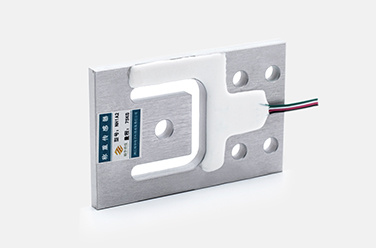
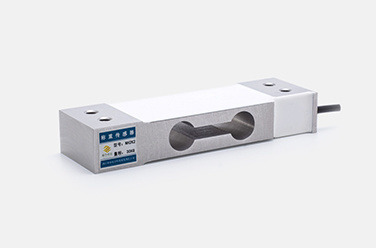
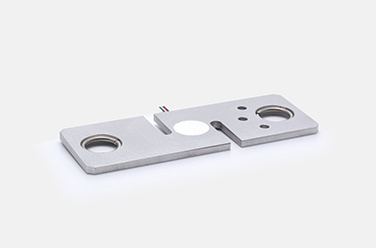
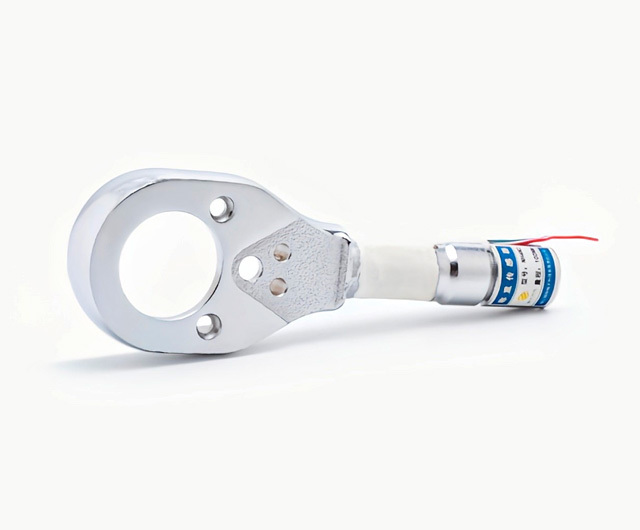
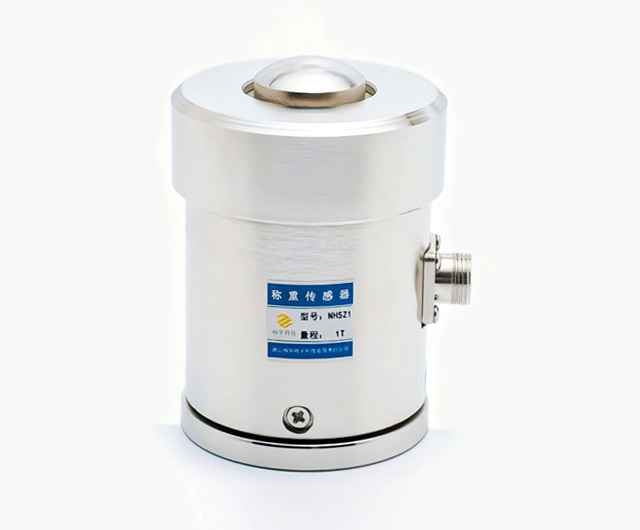
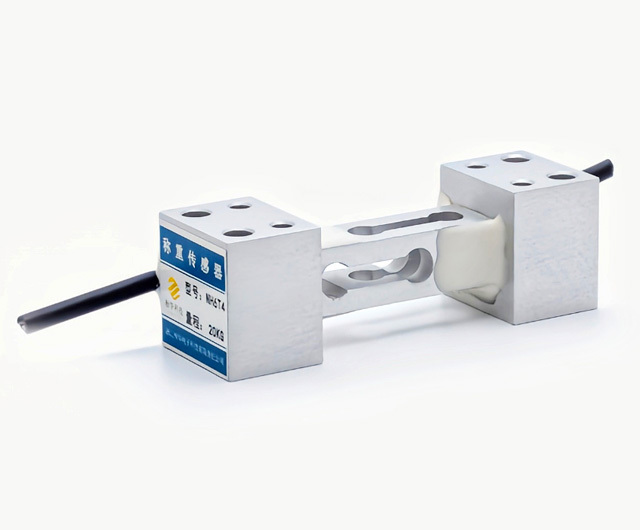
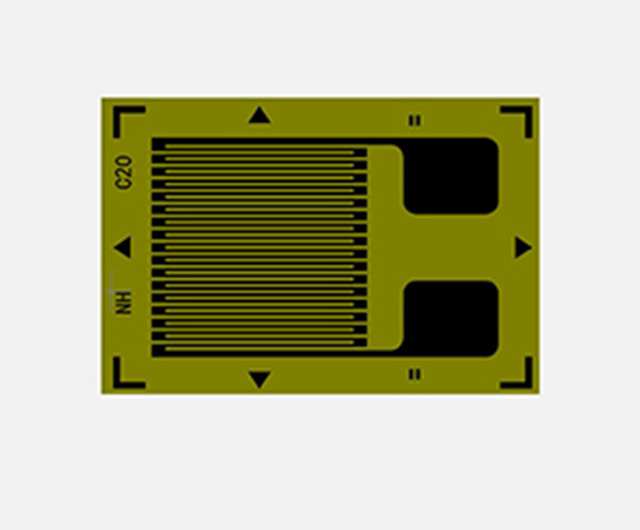
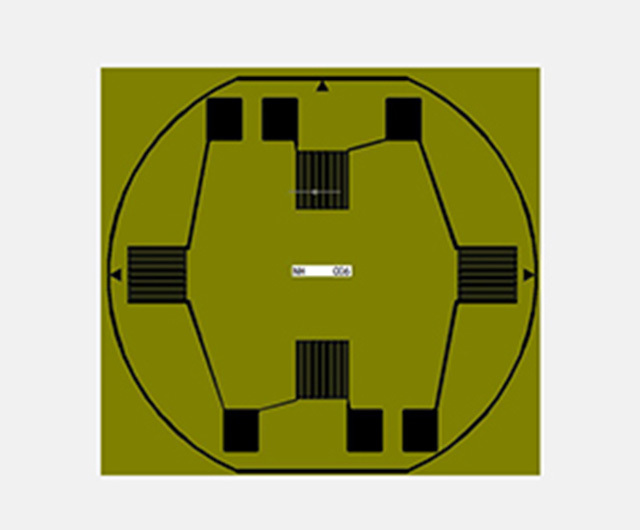

The role and application of weighing and force sensors in bridge construction, and the necessity of safety cable force monitoring.
2025-02-21
The roles and applications of weighing and force sensors in bridge construction are as follows:
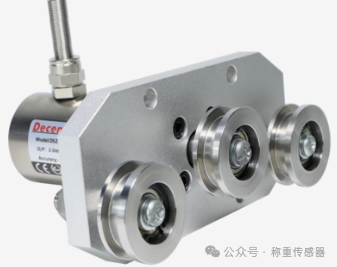
1. Weighing Sensors
• Role: Used to measure the weight of bridge components or materials to ensure that construction meets design requirements.
• Application: In prefabricated bridge segment hoisting and concrete pouring, weighing sensors help monitor weight to prevent overloading or underloading.
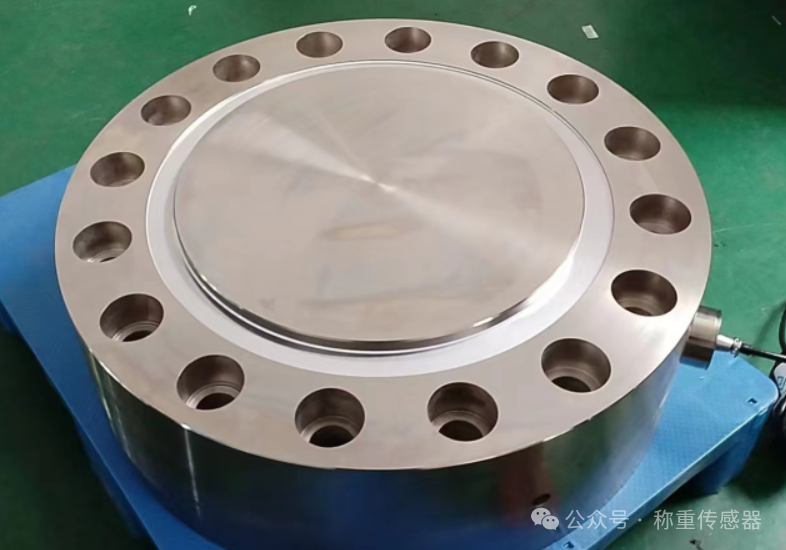
2. Force Sensors
• Role: Used to measure the stress on bridge components or connections to ensure structural safety.
• Application: In structures such as cable-stayed bridges and suspension bridges, force sensors are used to monitor the stress state of cables and hangers to ensure they remain within the design range.
3. Necessity of Safety Cable Force Measurement
• Structural Safety: Cables are key load-bearing components of cable-stayed bridges and suspension bridges. Their stress state directly affects bridge safety. Force sensors monitor cable stress in real-time to prevent overloading or uneven stress.
• Construction Control: During construction, the tension of the cables needs to be precisely adjusted. Force sensors provide real-time data to ensure that construction meets design requirements.
• Long-term Monitoring: During bridge use, cable stress may change due to environmental or load changes. Force sensors perform long-term monitoring to detect anomalies and prevent accidents.
• Data Support: Force data provides a basis for bridge maintenance and repair, helping to develop reasonable maintenance plans and extend bridge life.

Force sensors play a key role in bridge inspection, mainly used to monitor the stress state of bridge structures and their key components to ensure bridge safety and durability. The specific applications of force sensors in bridge inspection are as follows:
1. Stress Monitoring of Key Bridge Components
• Stress monitoring of cables and hangers:
• In cable-stayed bridges and suspension bridges, cables and hangers are the main load-bearing components. Force sensors are installed on the cables or hangers to monitor their tension changes in real-time, ensuring that the stress is within the design range.
For example, in cable-stayed bridges, the tension of each cable needs to be evenly distributed. Force sensors help adjust and monitor tension to prevent local overloading.
• Support reaction monitoring:
Bridge supports are key components for transferring loads. Force sensors are installed on the supports to monitor the support reactions, ensuring even load distribution and preventing support damage or failure.
2. Stress Monitoring During Construction
• Pre-stress tensioning monitoring:
In the construction of prestressed concrete bridges, force sensors are used to monitor the tensioning force of prestressed steel bars or strands to ensure that the tensioning force meets the design requirements and avoid insufficient or excessive tensioning.
• Hoisting and installation monitoring:
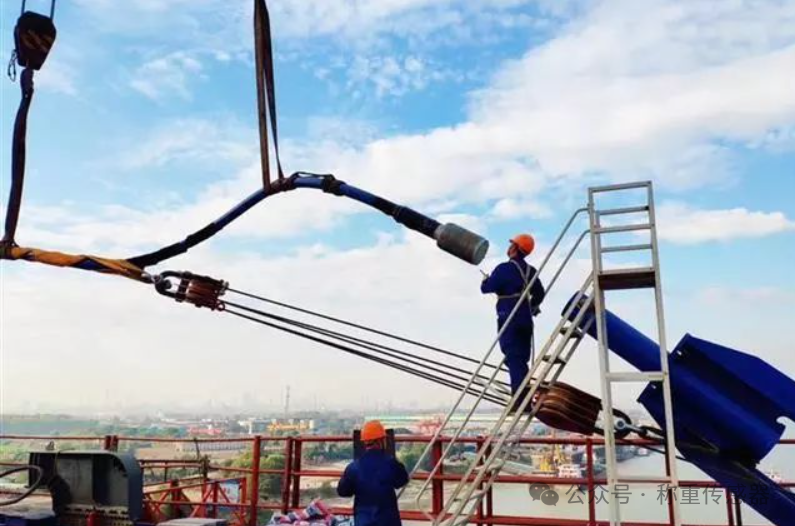
During the hoisting of bridge components (such as beams, arch ribs, etc.), force sensors are used to monitor the stress state of the hoisting equipment to ensure safe hoisting.
3. Bridge Load Test
• Static load test:
After bridge completion or major repairs, force sensors are used for static load tests to monitor the stress state of the bridge under static loads and verify whether its load-bearing capacity meets the design requirements.
• Dynamic load test:
Force sensors, combined with accelerometers, monitor the dynamic response of the bridge under vehicle traffic or vibration loads to evaluate the dynamic characteristics of the bridge.
4. Long-term Health Monitoring
• Real-time monitoring of bridge stress state:
Force sensors are installed at key parts of the bridge (such as cables, supports, beams, etc.) to monitor long-term changes in bridge stress during operation and detect anomalies in time.
• Environmental load impact monitoring:
Monitor the stress state of the bridge under environmental factors such as wind load, temperature changes, and earthquakes to assess their impact on the bridge structure.
• Fatigue damage assessment:
By long-term monitoring of the stress changes of key bridge components, assess the degree of fatigue damage and provide a basis for maintenance and reinforcement.
5. Data Analysis and Early Warning
• Data analysis:
Data collected by force sensors is analyzed through a bridge health monitoring system to assess the overall safety status of the bridge.
• Early warning system:
When force sensors detect abnormal stress (such as overload, uneven stress, etc.), the system will issue an early warning to remind management personnel to take timely measures to prevent accidents.
6. Monitoring of Special Bridge Structures
• Arch bridges:
Force sensors are used to monitor the stress state of arch ribs and hangers to ensure the stability of arch bridges.
• Suspension bridges:
Force sensors are used to monitor the tension of the main cables and suspenders to ensure the overall stress balance of the suspension bridge.
• Cable-stayed bridges:
Force sensors are used to monitor the tension distribution of the cable stays to prevent local overloading.
Summary
The application of force sensors in bridge inspection covers many aspects, including construction monitoring, load testing, and long-term health monitoring. By monitoring the stress state of key bridge components in real time, force sensors provide important guarantees for the safety, durability, and reliability of bridges, and provide support for bridge maintenance and management.
Next page
More news

Hotline
Technical Support
Address
No. 1, Building 1, Yin Cang Road, Green Industry Cluster, Quzhou City, Zhejiang Province
Follow us



Copyright © 2024 Zhejiang Nan Hua Electronic Technology Co., Ltd. | Powered by www.300.cn