

-
Products
-
-
-
-
Contact Us
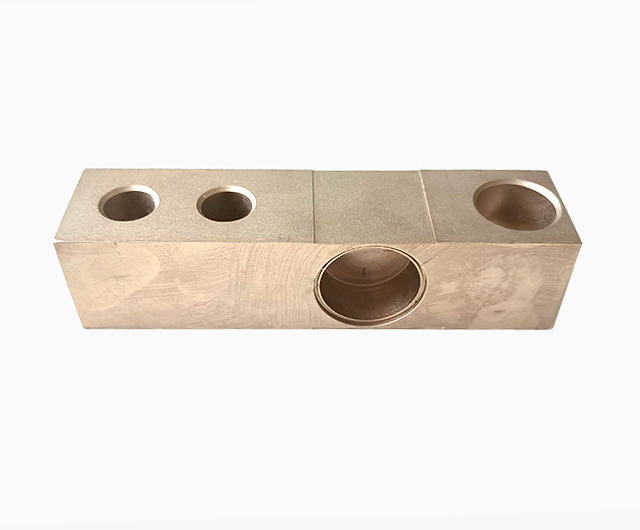
How to detect the quality of aluminum elastic products?
2024-08-17
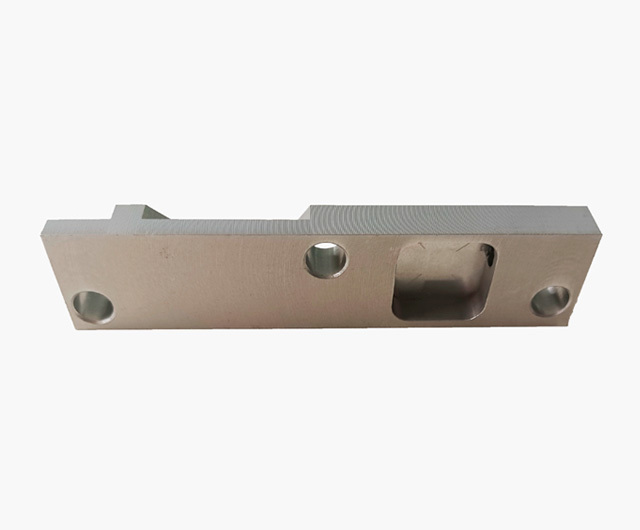
Aluminum elastic products are commonly used and widely applied in automobiles, furniture, and machinery. To ensure product quality, strict testing is necessary to guarantee that products meet standards and possess good elasticity and durability.
First, a visual inspection of the aluminum elastic product is performed. This involves checking the surface for flatness and the absence of visible pores, cracks, or other defects. Uniformity of color and the presence of scratches or other damage are also assessed.
Second, dimensional testing is conducted. Tools such as rulers and calipers are used for precise measurement, ensuring compliance with design specifications. Dimensional testing verifies manufacturing precision and processing quality, ensuring proper assembly and stability.
Next, elasticity testing is performed. This involves methods such as bending and tensile tests to evaluate elastic properties. These tests determine bending and tensile strength, as well as deformation and rebound during use, verifying that the product's elasticity meets standards.
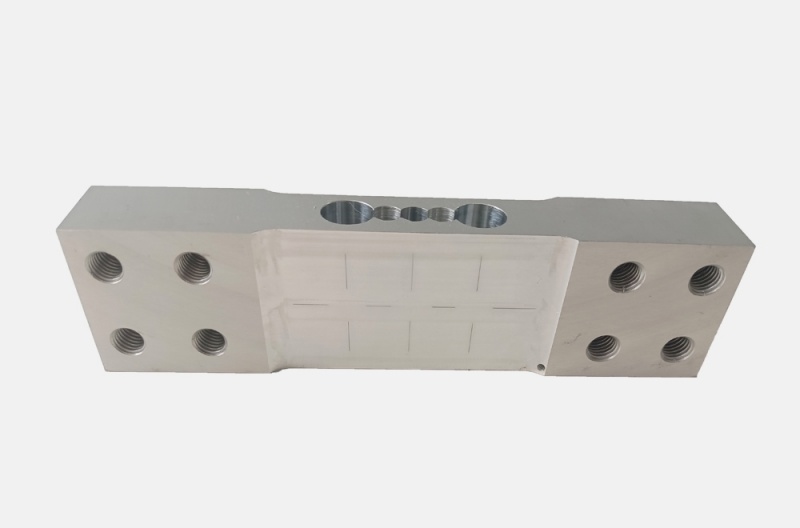
Furthermore, chemical composition and microstructure analysis are conducted. Analyzing the chemical composition and observing the microstructure helps understand the raw material source and processing methods, ensuring that material quality and structure meet requirements.
Finally, wear and corrosion resistance tests are performed. Aluminum elastic products are subject to friction and corrosion during use, so these tests ensure good durability and stability.
In summary, through visual inspection, dimensional testing, elasticity testing, chemical composition and microstructure analysis, and wear and corrosion resistance testing, the quality of aluminum elastic products can be comprehensively evaluated to ensure they meet standards and customer needs. Only through rigorous testing and certification can product quality and performance stability be guaranteed, enhancing competitiveness and market acceptance.
Previous page
Next page
More news

Hotline
Technical Support
Address
No. 1, Building 1, Yin Cang Road, Green Industry Cluster, Quzhou City, Zhejiang Province
Follow us



Copyright © 2024 Zhejiang Nan Hua Electronic Technology Co., Ltd. | Powered by www.300.cn