

-
Products
-
-
-
-
Contact Us
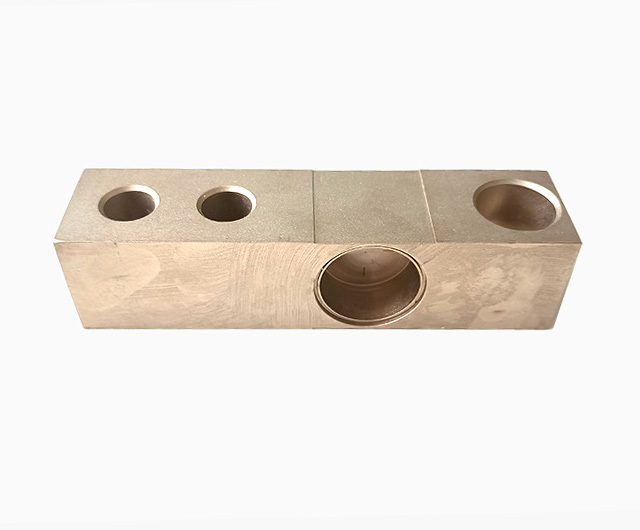
What is a force sensor?
2026-07-23
What is a force sensor?
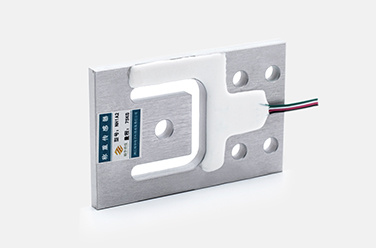
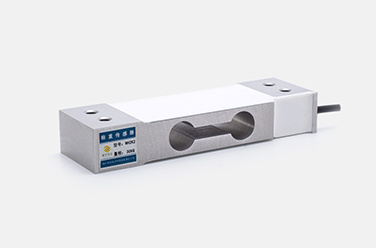
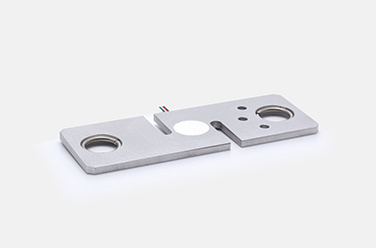
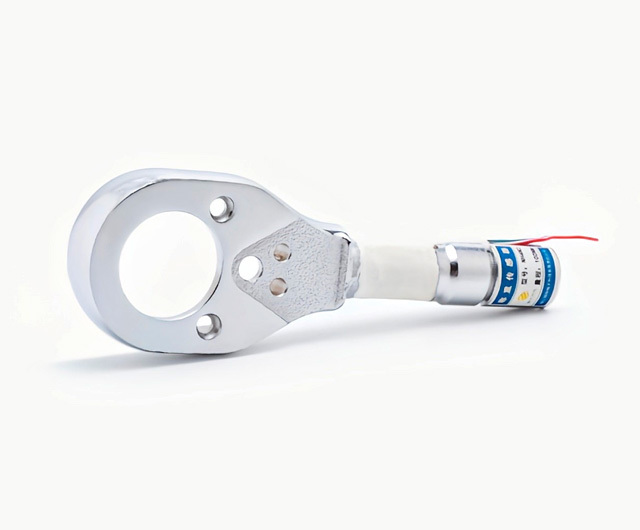
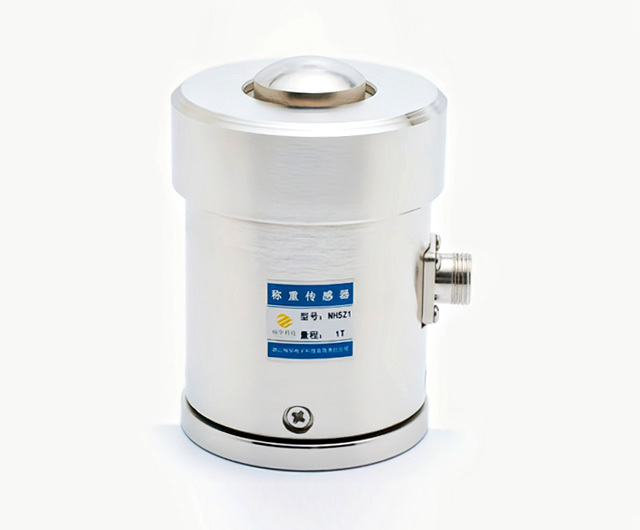
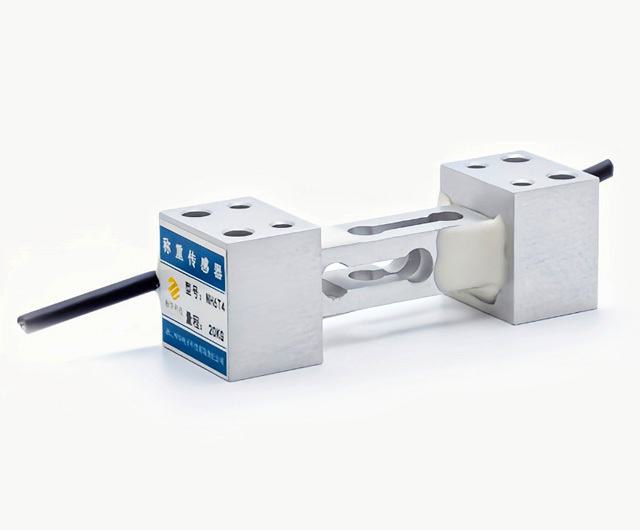
A load cell is a high-precision measuring sensor—a force transducer that converts mechanical force into an electrical signal that can be measured, processed, and analyzed.
When a force—such as tension, compression, shear, or torque—is applied, the load cell converts that force into an electrical signal whose magnitude varies in proportion to the applied force. Load cells enable precise and reliable force measurement and are widely used in a variety of weighing and force‑measurement applications, including product weighing in trade and logistics, safety assurance, automation, and equipment calibration.
They are used in numerous industries, such as packaging, automotive, chemical processing, agriculture, construction, medical, pharmaceutical, test and measurement, robotics, and more. There are various types of force sensors, each converting force into a specific form of output in different ways, including pneumatic ones. / Hydraulic, piezoelectric, vibrating-wire, and strain-gauge types. Force sensors based on strain‑gauge technology are the most common and are widely used in industrial and commercial applications.
Strain-gauge‑based force sensors are favored for their versatility, durability, and relative cost-effectiveness. Serving as the “nerve center” of most electronic scales and weighing systems, these load cells facilitate the trade of a wide range of physical goods and maximize efficiency by providing standardized, consistent weight measurement at the heart of the scale.
In industrial applications, load cells are used not only in weighing scales but also as force‑measurement sensors, playing a critical role across a wide range of uses—from a few grams to several hundred tons—including automated processes, quality assurance, equipment calibration, safety monitoring, and more.
Content:
1. Strain-gauge load cell
2. Hydraulic force sensor
3. Pneumatic load cell
4. Piezoelectric load cell
5. Vibratory Wire Load Cell
1. Strain-gauge load sensor

1.1 What is a strain-gauge load cell?
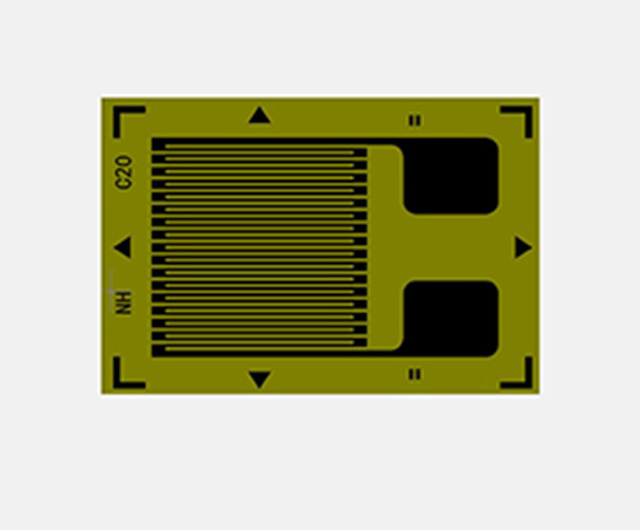
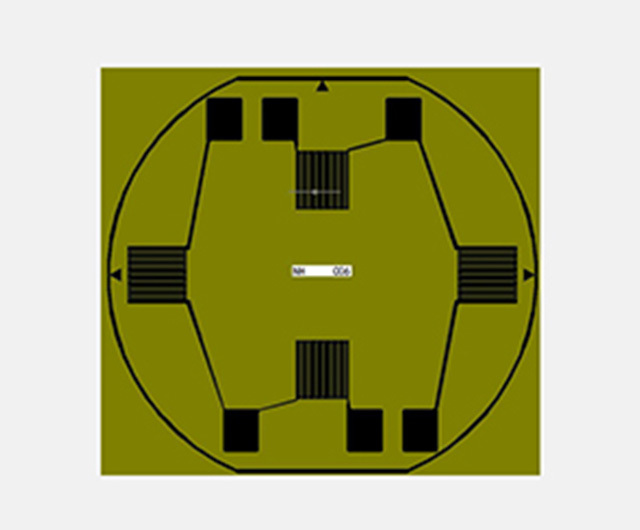
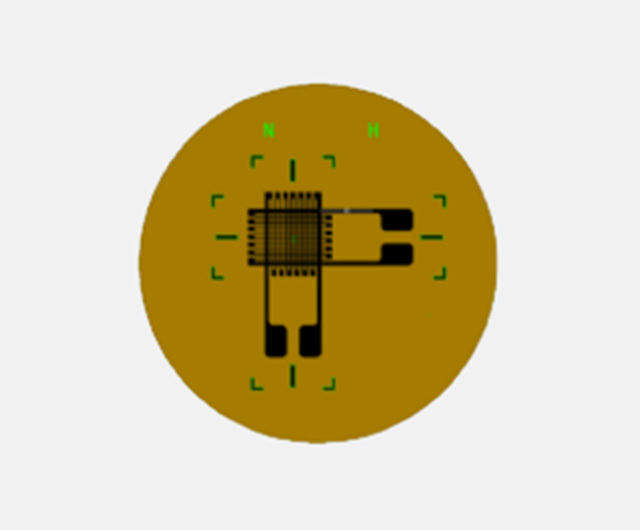
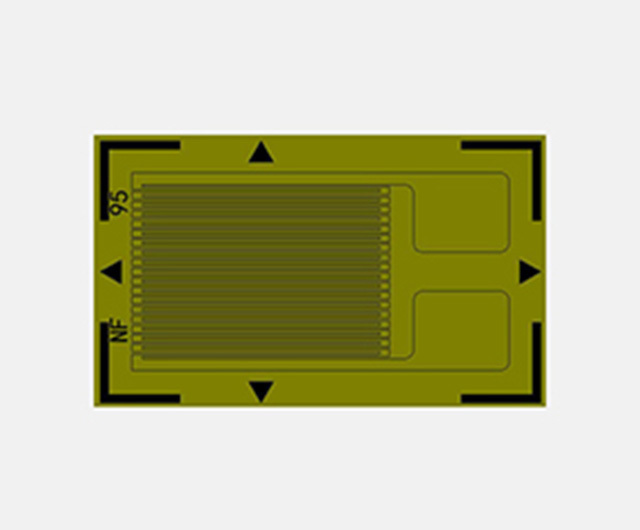
Strain-gauge load cell It is the most widely used weighing transducer in industrial and commercial applications, offering both outstanding measurement accuracy and robust performance in harsh environments. Its simple, practical design facilitates easy integration, with a broad range of applications spanning high‑precision laboratory balances to large‑scale industrial weighing systems. The device operates by converting the deformation of an elastic element into a change in electrical resistance, thereby enabling force measurement. The core consists of two key components: Elastic element: a precision‑machined metal component whose deformation under load is directly proportional to the applied force; Strain gauge: a variable‑resistance element whose resistance changes in proportion to the deformation of the elastic element.
1.2 Strain gauge, as a type of Variable resistor It exhibits a change in electrical resistance due to physical deformation, and this variation can be precisely measured when incorporated into a Wheatstone bridge circuit.
This configuration comprises four interconnected resistive arms, at least one of which is a strain gauge. It not only enables highly accurate resistance measurements but also compensates for temperature‑induced errors and enhances sensitivity to resistance changes caused by minute strains.
The result is a stable and repeatable output signal, which is essential for high-precision force and weight measurements.

1.3 Sensor element
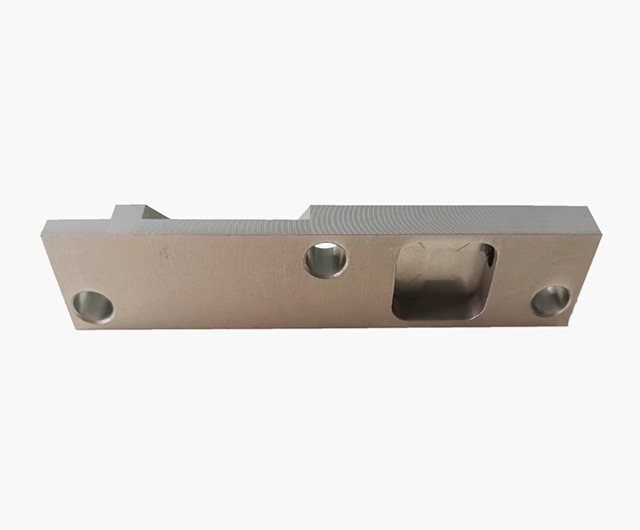
The sensing element is a precision‑machined metal component—typically made of high‑grade alloy steel, stainless steel, or aluminum—onto which strain gauges are bonded. This component not only provides robust protection but also safeguards the delicate instrumentation from damage.
However, it also possesses carefully tuned properties that enable it to deform in a controlled manner. This material can assume a variety of shapes and sizes, making it well suited for strain‑gauge applications.
Load cells can easily adapt to applications of all sizes, whether large or small.

2. Hydraulic force sensor

2.1 What is a hydraulic force sensor?
Hydraulic force measurement The sensor primarily consists of a fluid chamber and a piston assembly. When an external force is applied to the piston, the internal fluid is compressed, generating pressure; this pressure is then converted into a corresponding force value via a pressure-sensing element.
This sensor features a robust design that withstands heavy loads and harsh operating conditions, offering exceptional overall durability and immunity to electromagnetic interference, making it ideally suited for high‑capacity static weighing applications.
At the same time, it has notable application limitations: its response speed is inferior to that of electronic sensors, making it unsuitable for rapidly varying dynamic force‑measurement scenarios; moreover, the viscosity of hydraulic oil fluctuates with temperature, which can slightly compromise measurement accuracy. In addition, the device relies on a precision sealing system to prevent leaks, increasing maintenance complexity, and its overall size and structure are relatively large, rendering it ill‑suited for installation in confined spaces.
Overall, although hydraulic sensors have numerous operational limitations, they nevertheless rely on… Steady-state measurement: stable, heavy-load resistant, and anti-interference. Its advantages continue to make it a key choice for industrial static force‑measurement applications.
3. Pneumatic load cell
3.1 What is a pneumatic weighing sensor?
Pneumatic pressure sensors measure force by utilizing air pressure. These sensors operate on the principle of fluid dynamics: the mechanical force applied to a diaphragm is converted into a change in air pressure, which is then measured. When a load is applied, the diaphragm inside the pneumatic force sensor deforms.
This deformation alters the internal volume of the sensor, thereby affecting the air pressure. The pressure is then stabilized at a setpoint by either adding or releasing air. The magnitude of the air pressure required to achieve this equilibrium reflects the applied force and is measured by a pressure sensor.
Although pneumatic load cells are safer to use in harsh environments because they contain no electronic components, they do have several drawbacks.
Their response time may be slower than that of electronic load cells, and their accuracy can be affected by ambient air pressure and temperature variations. Furthermore, they typically have lower resolution, making them less suitable for applications requiring precise measurements.

4. Pressure-type load cell 
4.1 What is a piezoelectric load cell?
Piezoelectric force sensors leverage the piezoelectric effect to measure force. When subjected to an external load, piezoelectric materials such as quartz generate electric charges, with the output voltage proportional to the applied force; the signal is then converted and read out by a charge amplifier. These sensors offer rapid response and excellent dynamic measurement accuracy, but their output charge tends to leak over time, making them unsuitable for static‑load measurements. Thanks to their ability to quickly capture changes in force, they are ideally suited for measuring transient forces.
5. Vibratory Wire Load Cell 
5.1 What is a vibratory wire load cell?
Vibratory strain-gauge sensors measure force by detecting changes in the frequency of a stretched metal wire.
This type of sensor consists of the following components:
Tightened metal wire: a metal wire with fixing devices at both ends inside the battery.
Magnetic coil: Encircles the metal wire and is used to induce vibrations and measure the wire’s natural frequency. The principle underlying vibrating-wire technology involves using an electromagnetic field to exert a force on the wire, causing it to vibrate. The vibration frequency varies proportionally with the wire’s tension, which in turn changes in response to applied forces or loads.
This change in frequency is then converted into an electrical signal, which can be read and interpreted as a force measurement. Vibratory wire load cells are renowned for their long-term stability and reliability, and they exhibit significantly less drift compared to other types.
They may also have certain drawbacks. These sensors are relatively complex to manufacture and can be sensitive to temperature variations, which may affect wire tension and, in turn, the accuracy of frequency measurements. Their durability makes them well suited for applications such as geotechnical engineering and long-term monitoring, where environmental conditions can vary significantly.
Where are load cells commonly used?
Weighing sensors have an extremely broad range of applications. Before reaching consumers, most household products undergo multiple rounds of weight‑checking and quality control. Any scenario that requires measuring weight or force—and demands high measurement accuracy and robust device durability—can benefit from a weighing sensor. With an exceptionally wide measurement range, these sensors can handle everything from a few grams of lightweight materials to hundreds of tons of heavy loads, making them an indispensable core component across all physical‑product manufacturing industries, integral to the entire process—from production through logistics and delivery.
Take the complete supply chain of A4 printing paper as an example: a sensor‑equipped robotic arm weighs raw logs; truck scales use sensors to calculate timber weight, ensuring compliance with forestry transport regulations; pulp mills rely on sensors along conveyor lines to monitor the amount of fiber feedstock; after paper is formed, weighing and inspection ensure consistent specifications within each batch; during warehousing and loading/unloading, sensors verify cargo weights and support inventory management; and before finished products are packed and shipped, they are weighed to accurately calculate logistics costs. The widespread adoption of strain‑gauge load cells stems primarily from their high precision, broad versatility, and reliable operation. Their measurement ranges span from milligrams to thousands of tons, making them suitable for a wide variety of industrial conditions. Internal strain gauges convert minute deformations into electrical signals, delivering highly accurate force and weight data that underpin production‑line quality control and compliant manufacturing. The robust design of these devices enables them to withstand complex, harsh industrial environments, offering long service life and stable performance. They also provide excellent cost‑effectiveness, helping companies optimize production processes at controllable expenses. These sensors integrate easily with diverse equipment and systems, support customized extensions, and can be directly adapted to existing automation architectures. Moreover, their sensitive response to weight fluctuations allows them to detect even subtle load changes, enabling fine‑grained process control.
Previous page
More news

Hotline
Technical Support
Address
No. 1, Building 1, Yin Cang Road, Green Industry Cluster, Quzhou City, Zhejiang Province
Follow us



Copyright © 2024 Zhejiang Nan Hua Electronic Technology Co., Ltd. | Powered by www.300.cn