

-
Products
-
-
-
-
Contact Us
Fundamentals of pressure sensors, market applications, and common causes of failure
2026-06-22
I. What is stress?
Pressure is the expression of the force applied per unit area on a surface; the precise term is “pressure.” Usually Measure the pressure of liquids, air, and other gases. Wait.
Pressure The standard unit is “ Pascal ” . This is equivalent to a “ Newton per square meter ”。
A pressure sensor simply monitors this pressure and can display it in one of several internationally recognized units. This is typically… “ Pascal ”、 “ Ba ” and “PSI” (pound / Square inches).
The air pressure in a tire is a particularly vivid example of pressure and how it is measured.
When we inflate a tire, the force exerted on it increases, causing the tire to expand, which is monitored by pressure sensors inside the tire.

Car tire inflation chart
II. What is a pressure sensor?
Pressure sensor is to Input mechanical pressure in a gas or liquid Convert to A sensor or instrument that outputs an electrical signal A pressure sensor consists of a pressure-sensitive element that can measure, detect, or monitor applied pressure, and electronic components that convert this information into an electrical output signal.
Pressure sensor It has two important characteristics: (1) Provides robustness to withstand high pressure. ; (2 ) It is elastic, deforming minimally and regaining its original shape when subjected to compression. 。
III. How do pressure sensors work?
In short, a pressure sensor converts pressure into a small electrical signal, which is then transmitted and displayed.
Therefore, these are often also referred to as pressure transmitters. The two commonly used signals are 4 to 20 mA Signals and 0 to 5 V Signal.

Schematic diagram of the operating principle of a pressure sensor
Most Pressure sensors utilize the piezoelectric effect. Work.
This occurs when a material generates an electric charge in response to stress; such stress is typically compressive, but it may also be torsional, bending, or vibrational.
A pressure sensor detects pressure and can determine its magnitude by measuring electrical charge.
The pressure sensor needs to be calibrated. , so as to know the voltage or milliampere value (mA) What pressure does the signal correspond to? This is fundamental. “ Zero ” and “ span ” Calibration, or setting minimum and maximum values, is a common task for maintenance personnel.
IV. Working Principle of Pressure Sensors
1 , piezoresistive pressure sensor
Piezoresistive sensing elements can also be arranged in a similar bridge configuration. The figure below illustrates how the sensing elements of a bridge‑type pressure sensor are connected to a flexible diaphragm, causing the resistance to vary with the magnitude of the diaphragm’s deflection. The overall linearity of the pressure sensor depends on the stability of the diaphragm within the specified measurement range, as well as on the linearity of the strain gauges or piezoresistive elements.
Piezoresistive pressure sensor elements measure resistance changes based on the magnitude of the diaphragm’s deflection.

Piezoresistive pressure sensor elements measure resistance changes based on the magnitude of the diaphragm’s deflection.
2 Strain-gauge pressure sensor
Strain-gauge pressure sensors are suitable for measuring extremely high and extremely low pressures, as well as pressure differentials. . Pressure difference is the pressure difference between any two given points.
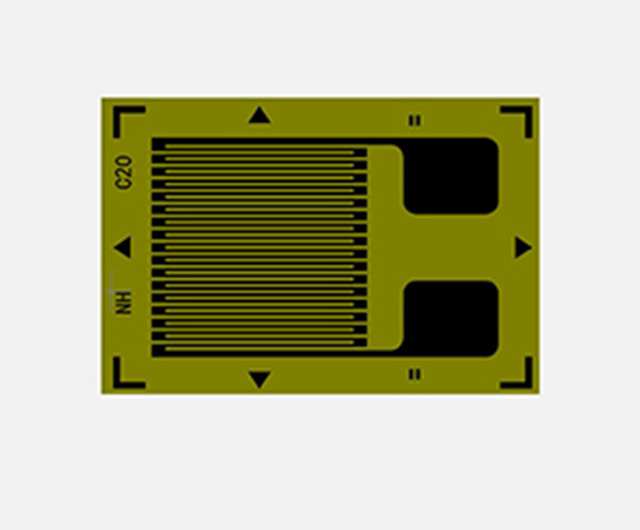
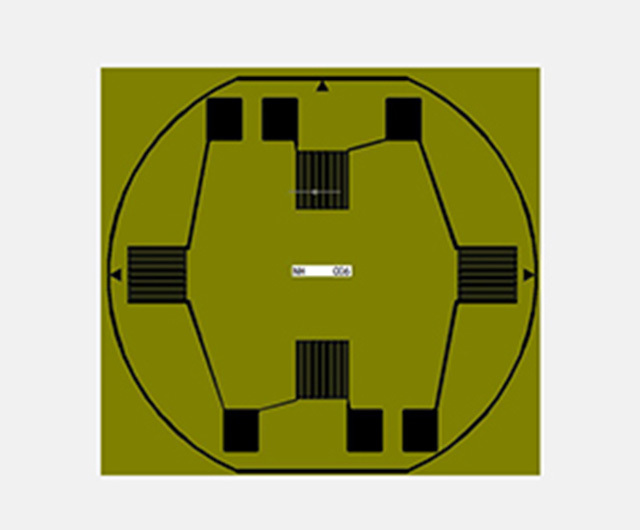
Strain-gauge pressure sensor It comprises a sensing element and a diaphragm. Any deformation of the diaphragm will cause a change in the resistance of the strain gauge. Usually, Wheatstone bridge Used in China 4 A gauge factor is used to maximize the sensor’s sensitivity, and this resistance change is converted into a usable output signal.
Strain Gauge Pressure Sensor Assembly: Connector (A) , casing (B) , strain gauge (C) and pressure inlet (D)

Strain-gauge pressure sensor
In strain-gauge pressure sensors, the foil or Silicon strain gauge The circuit is configured as a Wheatstone bridge. The strain gauge is mounted on a diaphragm; when pressure is applied, the diaphragm deflects. The resulting signal is then measured, amplified, and conditioned by the Wheatstone bridge circuit to produce a suitable sensor voltage or transmitter current output that corresponds to the applied pressure, as shown in the figure below.

Bridge sensor the circuit diagram
A pressure transducer is a device used for measurement. The pressure difference between two pressure values or two pressure points in the system. Therefore, measurements are taken to determine the difference between two points, rather than their absolute values relative to atmospheric pressure or another reference pressure, such as a perfect vacuum.
This is in contrast to static measurements or… that use only a single port to measure pressure. Absolute pressure sensor Different, and Typically, a piezoresistive pressure sensor is packaged with two ports; the pipeline can be connected to both ports, allowing it to measure and calculate pressure at two distinct points in the system.
This pressure measurement method is commonly used to measure the flow rate of liquids or gases in pipes or pipelines.
The figure below shows the use of Pressure transducer The measurement sensor performs tank level measurement.

Tank level measurement using a differential pressure sensor
3 , piezoelectric capacitive pressure sensor
Capacitive pressure sensor Through Pressure is measured by detecting capacitance changes caused by diaphragm motion. . It has Two capacitor plates 、 A diaphragm and One Fixed to an unpressurized surface Electrode These plates are spaced apart; changes in pressure cause the gap between them to widen or narrow, and this variation in capacitance is converted into a usable signal.
Depending on the application, this sensor can measure absolute pressure, gauge pressure, or differential pressure. Capacitive pressure sensor assembly : Insulating support (A) , diaphragm (B) , capacitor plate (C) and the pressure port (D)

Capacitive pressure sensor
4 , potential pressure sensor
Potential pressure sensor by A precision potentiometer Composition. Potentiometer By connecting to Pressure-sensitive element It consists of a wiper blade (for example, a diaphragm), and the deflection of this component shifts the position of the wiper; the resistance value varies between the wiper contact and one end of the potentiometer. This value serves as a measure of the applied pressure.
Potential Pressure Sensor Assembly : Windshield wiper (A) , Resistance Measurement Bridge Circuit (B) , Measurement Proportional to Pressure (C) , bridge power supply (D) , the movable arm of the pressure element (E) and displacement (F) ) 。

Potential pressure sensor
5 , resonant wire pressure sensor
Resonant Wire Pressure Sensor Has a position Vibrating string in the diaphragm The electronic oscillator keeps the metal wire vibrating; as the pressure in the diaphragm varies, it affects the tension of the wire and alters the resonant frequency. This frequency can be detected by a digital counter circuit and converted into an electrical signal.
Resonant Wire Pressure Sensor Assembly: Resonant Wire (A) , to the oscillator circuit (B) , High-side support plate (C) , magnet (D) , metal pipe (E) , high-pressure diaphragm (F) , fluid transmission port (G) , low-pressure diaphragm (H) , electrical insulator (I) , Preload spring (J) and the lower support plate (K)

Resonant Wire Pressure Sensor
6 , Inductive pressure sensor
Inductive pressure sensor Use Principle of electromagnetic induction Working principle: The transducer features a diaphragm connected to a ferromagnetic core; slight deflection of the diaphragm induces linear motion of the core, thereby generating an induced current.
Core motion caused by pressure changes alters the induced current. This current variation is then converted into a usable signal.
Inductive pressure sensor assembly: coil ( A 、 C ), diaphragm ( B ) and stress ( D )

Inductive pressure sensor
7 , piezoelectric pressure sensor
Piezoelectric pressure sensor Use Quartz crystals or ceramic materials generate an electric charge when subjected to mechanical stress. This type of charge measurement based on voltage is directly proportional to changes in pressure. Piezoelectric pressure sensors are highly sensitive and have an extremely fast response time. 。
Cross-sectional view of the piezoelectric pressure sensor assembly: nut (A) , casing (B) , crystal (C) , diaphragm (D) , lead wire (E) and the disk (F)

Piezoelectric pressure sensor
V. Installation of Pressure Sensors
To a certain extent, Working principle —— Absolute, gauge, or differential —— Determines the sensor’s structure. For example, when mounted on a circuit board or panel, an absolute pressure sensor can be designed to respond to pressure applied to either the top side or the back side. Creating a port for the measured medium to enter from the top may expose the sensor to risks such as physical damage or contamination by dirt or moisture; opting for a bottom‑entry sensor can help mitigate these concerns. The figure below compares the two layout configurations.

Installation diagram of the pressure sensor
Instrumentation sensors are typically designed to allow atmospheric pressure to act on one port while permitting the pressure being measured to be applied to the other port.
Similarly, a differential sensor has two ports, each designed to allow the medium being measured to come into contact with the sensing element; the figure below compares the structures of a conventional instrument and a differential sensor.
Package of a gauge pressure sensor (left) and a two-port differential pressure sensor (right).

Research on Market Applications, Fault Analysis, and the Competitiveness of Domestic Manufacturers in the Pressure Sensor Industry
VI. Market Overview and Application Areas of Pressure Sensors
As a core foundational component of intelligent sensing systems, pressure sensors—thanks to their stable signal output and precise pressure‑measurement performance—are widely deployed across diverse applications, including industrial smart upgrades, consumer‑oriented solutions, and equipment maintenance. Consequently, the scope of industry applications continues to expand, while market penetration steadily increases.
The industrial sector currently represents the largest application segment for pressure sensors, accounting for over 35% of the market. In heavy‑industry settings such as petrochemicals, power generation, and precision machining, equipment typically operates under demanding conditions—high temperatures, high pressures, and severe corrosive environments. Pressure sensors enable long‑term, stable monitoring of real‑time pressure levels in pipelines, reaction vessels, and storage tanks, facilitating automated process control through digital monitoring. They also help identify potential equipment malfunctions early, thereby preventing unplanned shutdowns and safety incidents, and providing a critical foundation for the intelligent, digital transformation and upgrading of industrial operations. In the light‑industry manufacturing sector, automated filling systems for food and beverage applications rely on pressure‑sensing technology to precisely regulate discharge pressure, significantly improving filling accuracy, reducing the rate of defective products, and enhancing the overall yield of qualified output on the production line.
The automotive electronics industry is the second-largest application market for pressure sensors. With the growing adoption of new‑energy vehicles and the continuous advancement of intelligent driving technologies, demand across the supply chain continues to expand. These devices are widely used in vehicle braking systems, battery management systems, tire‑pressure monitoring systems, and engine fuel‑delivery systems, dynamically acquiring critical data such as air pressure, hydraulic pressure, and battery‑pack pressure to ensure stable vehicle operation and occupant safety. Industry forecasts project that by 2026, the share of pressure‑sensor applications in the automotive sector will rise to 42%, making it a key growth driver and the primary source of incremental demand for the pressure‑sensor market.
In the healthcare sector, accelerating population aging and the rapid domestication of medical devices are driving steady growth in demand for medical sensing equipment. Miniaturized pressure sensors can be integrated into ventilators, electronic blood pressure monitors, hemodialysis machines, and other medical devices, accurately measuring key parameters such as airway pressure, human blood pressure, and fluid‑pressure levels. This ensures the reliable operation of medical equipment and provides dependable data support for critical care monitoring and home‑based chronic disease management, currently accounting for approximately 15% of the medical market.
In addition, pressure sensors offer significant value across a range of applications, including smart city development, aerospace, and intelligent consumer electronics. In urban infrastructure, they enable structural health monitoring for bridges and buildings, as well as real-time pressure inspections of municipal utility networks. In the consumer market, smart wearables and smart home devices leverage miniature pressure-sensing technology to deliver features such as barometric pressure measurement and pressure‑sensitive touch controls. Driven by the ongoing advancement of IoT and artificial intelligence technologies, the deployment of pressure sensors continues to expand, with the overall industry maintaining steady growth.
VII. Common Failure Modes of Pressure Sensors and Their Root Cause Analysis
During long-term continuous operation, pressure sensors are prone to anomalies such as measurement drift, signal interruptions, and sluggish response. The primary causes of these failures can be attributed to three major factors: aging and degradation of the sensor itself, external environmental interference, and non‑compliant installation practices.
Measurement‑accuracy drift is the most common fault observed during equipment operation, manifesting as a significant deviation between the measured value and the true reference value. Prolonged cycling between high and low pressures, combined with high‑temperature operating conditions, can induce fatigue and aging in the piezoresistive materials within the sensor, directly leading to a decline in sensing sensitivity. Corrosion by chemical process media and the accumulation of deposits on the device’s surface can alter the physical properties of the sensing diaphragm, resulting in persistent measurement errors. Additionally, fluctuations in the supply voltage and prolonged operation beyond the sensor’s rated range or under excessive load can cause zero‑point drift and nonlinearity, further degrading measurement accuracy.
Signal‑loss faults are often caused by hardware damage or improper wiring. Loose connections, oxidized terminals, and damaged or broken cables can all directly disrupt signal transmission. If the sensor’s core chip suffers electrostatic discharge, voltage surges, or physical impact, its internal circuitry may fail, resulting in a complete absence of data output. Furthermore, in environments with strong electromagnetic radiation—such as those generated by high‑power motors—if the device is not adequately shielded, the sensor signal can be overwhelmed by electromagnetic interference, leading to a no‑signal fault condition.
Slow device response and unstable, fluctuating data are often attributable to installation practices and process‑medium conditions. During installation, if the sensing diaphragm does not fully contact the measured medium, air bubbles remain in the cavity, or the mounting surface is uneven, pressure transmission will be delayed. Excessive tightening can compress the diaphragm, restricting its deformation and further reducing response sensitivity. Contaminants in the medium clogging the pressure‑sensing ports, along with frequent bidirectional pressure surges that cause plastic deformation of the diaphragm, can lead to measurement hysteresis and data fluctuations. Aging seals leaking, as well as freezing and cracking due to low‑temperature conditions, also contribute to frequent equipment failures. In practical operations and maintenance, it is essential to conduct a comprehensive troubleshooting approach—taking into account site conditions, installation procedures, and operating parameters—to swiftly identify the root cause of faults and restore stable system performance.
VIII. Analysis of the Overall Competitiveness of Domestic Pressure Sensor Manufacturers
After years of industrial development, China’s pressure‑sensor sector has established a fully integrated value chain encompassing chip R&D, precision manufacturing, packaging and testing, and market deployment. Domestic manufacturers have adopted a well‑defined tiered structure: leading high‑end firms are tackling core technologies, mid‑range companies are deepening their presence in the mass‑market segment, and small and medium‑sized enterprises are focusing on niche, customized applications. At present, domestic production has achieved complete self‑sufficiency for mid‑ and low‑end sensor products, while efforts to close the technological gap in high‑end offerings continue. Overall industry strength has improved markedly; however, compared with world‑class international brands, gaps remain in key manufacturing processes, independent development of advanced chips, and long‑term product reliability.
I. Leading Enterprises: Comprehensive Industry-Chain Deployment with Strong Capabilities in Tackling Cutting-Edge Technologies
Leading listed companies such as AVIC Electric Measurement, Goertek Microelectronics, Mincore, and Keli Sensing are the industry’s core benchmarks in China’s pressure‑sensor sector and the main driving force behind the domestic substitution of high‑end products. These firms have established end-to-end industrial chains spanning R&D to mass production, with R&D spending consistently maintained at 8%–15% of revenue. Their core technical teams boast extensive industry experience, and they routinely collaborate with universities and research institutions through industry‑university‑research partnerships, continuously advancing technological iteration and innovation.
On the technological front, leading companies have achieved breakthroughs in key core technologies, including independent MEMS chip design, precision sputtering‑based thin‑film fabrication, and high‑accuracy digital compensation algorithms. Their benchmark products deliver measurement accuracy as high as Class 0.07, with annual drift kept below 0.1%, making them well suited to demanding, high‑precision applications in aerospace, nuclear power equipment, new‑energy vehicles, and advanced industrial automation. Among them, AVIC Electric Measurement has deepened its expertise in defense‑related and high‑end industrial markets. Its self‑developed high‑voltage, high‑precision sensing products have been successfully deployed in airborne payload monitoring and nuclear‑power equipment operation and maintenance, breaking the long‑standing monopoly of overseas brands. Goertek Microelectronics boasts integrated capabilities spanning wafer fabrication, chip design, and packaging & testing; it holds a leading global market share in consumer‑grade MEMS pressure sensors while actively expanding into automotive‑grade offerings, securing supply‑chain access to mainstream new‑energy vehicle manufacturers such as BYD and NIO. Meanwhile, Minxin Shares maintains a distinct technological edge in MEMS chip design, with products serving diverse sectors including consumer electronics, medical devices, and automotive electronics, continuously strengthening its capacity for independent production of high‑end chips.
On the manufacturing front, leading companies operate Class 100 and Class 1,000 cleanrooms, equipped with fully automated production lines and high-precision testing instruments, achieving an annual production capacity of up to tens of millions of units. They have also obtained IATF 16949 automotive quality‑management certification and ISO 9001 quality‑management system certification, ensuring product consistency and stability that meet international standards. This enables them to fulfill large‑volume, standardized delivery requirements while also handling high‑end, non‑standard custom projects tailored to a wide range of specialized operating conditions.
II. Core Enterprises: Strong advantages in large-scale mass production, firmly securing the mid-range mainstream market.
Mid-tier enterprises such as Shanghai Automation Instrumentation, Xi’an Instrument Factory, Ningbo Weike Instruments, and Ampere‑Long are the core suppliers in China’s mid-range pressure sensor market. These companies focus on cost‑effective, standardized products, targeting mainstream applications including general industrial automation, smart homes, conventional medical devices, and passenger vehicles. Leveraging mature product portfolios and reliable delivery capabilities, they have established a dominant position in the domestic market.
On the technical front, mid‑tier companies generally rely on well‑established, highly stable piezoresistive and ceramic thick‑film technologies, with product accuracy consistently within ±0.1% to ±0.5%, fully covering the vast majority of civilian and general‑purpose industrial applications. Most firms have achieved in‑house production of core components, breaking free from complete dependence on imported chips; however, there remains room for improvement in advanced algorithm development and adaptability to extreme operating conditions. For instance, Xi’an Instrument Factory holds more than thirty proprietary patents, enjoys a strong reputation and high repeat‑purchase rates in the metallurgy and power sectors, and delivers products with accuracy and stability as tight as ±0.1%. Meanwhile, Ampereon focuses on ceramic piezoresistive sensing technology, deeply serving industrial control and home‑appliance integration markets, and has long supplied leading manufacturers such as Gree and Midea, boasting excellent product reliability and broad market recognition.
On the production side, leading enterprises have equipped themselves with standardized automated production lines, achieving annual shipments of several million units. They have established comprehensive quality‑control systems, enabling rapid response to bulk market orders while also supporting basic parameter customization to meet customers’ diverse installation and usage requirements. Backed by a nationwide sales and after‑sales network, these companies deliver efficient service responses at controllable costs, building robust channel barriers in the mid‑to‑low‑end market. With an overall market share exceeding 60%, they serve as a cornerstone for domestic substitution in China’s sensor industry.
III. Small and Medium-Sized Specialty Enterprises: Deeply Cultivating Niche Markets, with Distinctive Advantages in Customized Services
A large number of small and medium-sized sensor companies in China steer clear of mainstream, highly competitive markets, instead focusing on niche vertical segments. Leveraging their operational advantages—such as lightweight designs and high flexibility—they cultivate expertise in specialized operating conditions and underserved industries, thereby establishing distinctive competitive edges. While these firms generally have limited production capacity, they concentrate their R&D resources, developing tailored solutions for specific application scenarios, which effectively enriches the broader industry ecosystem.
For example, Yuhong Minxin focuses on the R&D and manufacturing of sputtered thin-film pressure sensors, having independently developed a high-precision metal‑based nano‑membrane sensing element that can withstand extreme, high‑end operating conditions such as oil exploration and ultra‑low or ultra‑high temperatures. Its products boast a maximum measurement range of up to 380 MPa, filling a critical gap in China’s market for high‑end specialty sensors. Meanwhile, numerous small and medium-sized manufacturers have tailored their offerings to niche segments—such as medical micro‑sensors, agricultural‑machinery‑specific sensors, and municipal‑pipeline‑monitoring sensors—enabling rapid adjustments to product architecture, parameters, and interfaces based on customer needs. This capability supports small‑batch production and fast iterative customization, helping them build a strong reputation in their respective vertical markets.
IV. Industry-Wide Weaknesses and Future Development Trends
At present, China’s pressure‑sensor industry still faces significant developmental shortcomings: First, it remains highly dependent on foreign sources for high‑end core chips and specialized functional materials; automotive‑grade, ultra‑high‑precision components continue to be sourced from overseas brands such as Bosch and Honeywell, thereby hindering the localization of high‑end products. Second, its ability to operate under extreme conditions is inadequate; in harsh environments characterized by ultra‑high temperatures, extreme pressures, and severe corrosion, the service life and long‑term stability of domestically produced devices still lag behind those of leading international counterparts. Third, international brand recognition remains weak, with export offerings predominantly concentrated in the mid‑ and low‑end segments, resulting in insufficient acceptance in the global high‑end market.
Looking ahead, driven by both supportive domestic‑production policies and continuous technological advancement, China’s sensor industry will accelerate breakthroughs in key technologies and the integration of its supply chain. Leading companies will deepen their R&D efforts in high‑end chips and optimize core manufacturing processes, gradually narrowing the technology gap with international giants; mid‑tier firms will focus on improving quality and efficiency while actively expanding into overseas growth markets; and small and medium‑sized enterprises will concentrate on niche segments, strengthening their customized, differentiated competitive advantages. Overall, the industry will continue to evolve toward higher precision, miniaturization, intelligence, and end‑to‑end supply‑chain self‑reliance and controllability. As a result, Chinese pressure‑sensor manufacturers will see their global competitiveness steadily improve, enabling them to make the transition from domestic substitution to global market leadership.
Previous page
More news

Hotline
Technical Support
Address
No. 1, Building 1, Yin Cang Road, Green Industry Cluster, Quzhou City, Zhejiang Province
Follow us



Copyright © 2024 Zhejiang Nan Hua Electronic Technology Co., Ltd. | Powered by www.300.cn