

-
Products
-
-
-
-
Contact Us
Introduction to the Principles and Applications of Four Common Pressure Sensor Chips
2026-05-06
Introduction to the Principles and Applications of Four Common Pressure Sensor Chips
Mainly includes: MEMS These include advanced sensing technologies, oil-immersed dielectric isolation, ceramic capacitor technology, and glass micro-fusion technology. Each of these four approaches leverages its unique advantages to address different measurement ranges and application scenarios, thereby establishing a comprehensive technological roadmap that ensures full coverage of all application contexts for Lingke pressure sensors.

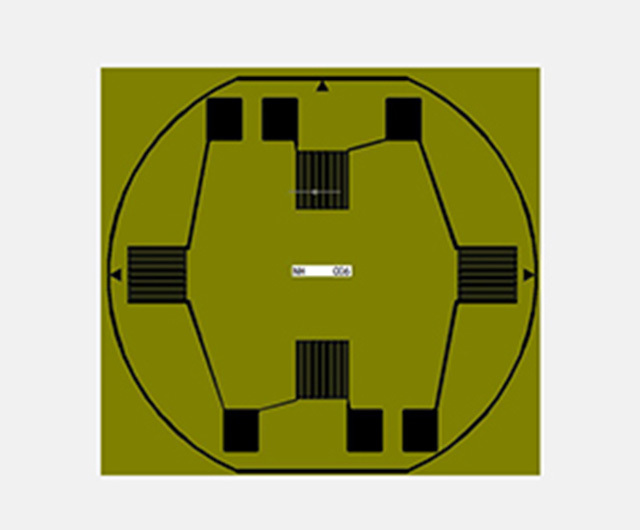
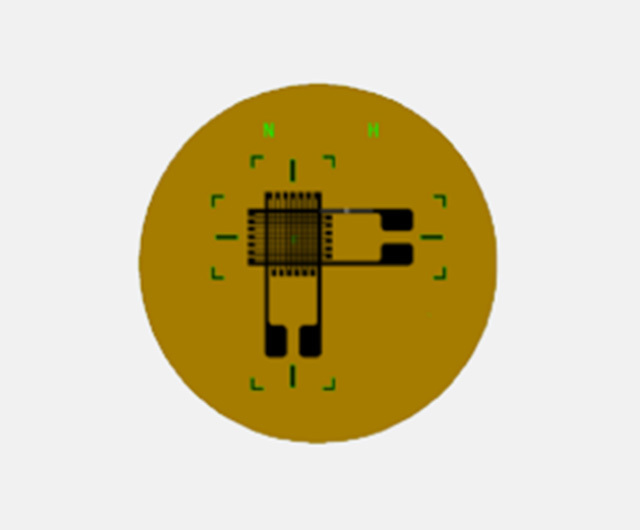
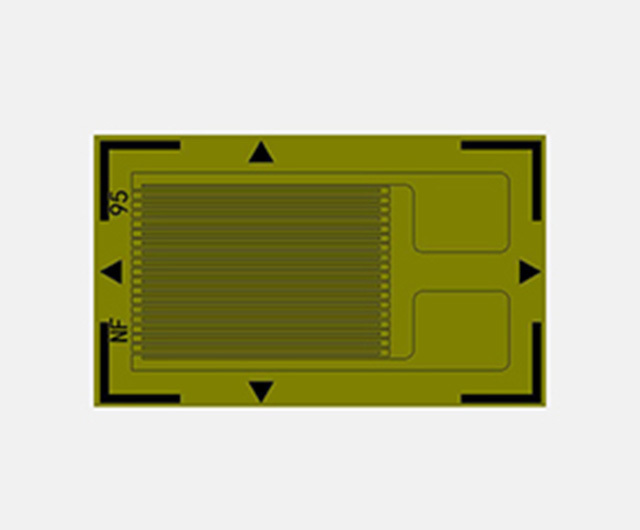
MEMS The pressure sensor chip is made of silicon. MEMS Made by technology, when pressure is applied to MEMS Upon sensing pressure, the diaphragm deforms, causing the piezoresistive strips mounted on it to change their resistance. This variation is detected by the Wheatstone bridge circuit, which then generates an output signal. The output is subsequently conditioned and temperature-compensated to produce the desired electrical signal.

MEMS Principle of Pressure Sensors
The oil-filled dielectric isolation core, on the other hand, is MEMS On the basis of the chip, comprehensive surrounding protection has been added, ensuring that the measurement medium does not come into direct contact. MEMS A special packaging configuration for the chip. Typically, a metal corrugated diaphragm is used as the pressure-sensing element, with silicone oil or fluorinated oil serving to transmit pressure and protect the chip. This type of sensor assembly is often employed in complex or harsh measurement environments.

Principle of Oil-Filled Dielectric Isolation Pressure Sensor
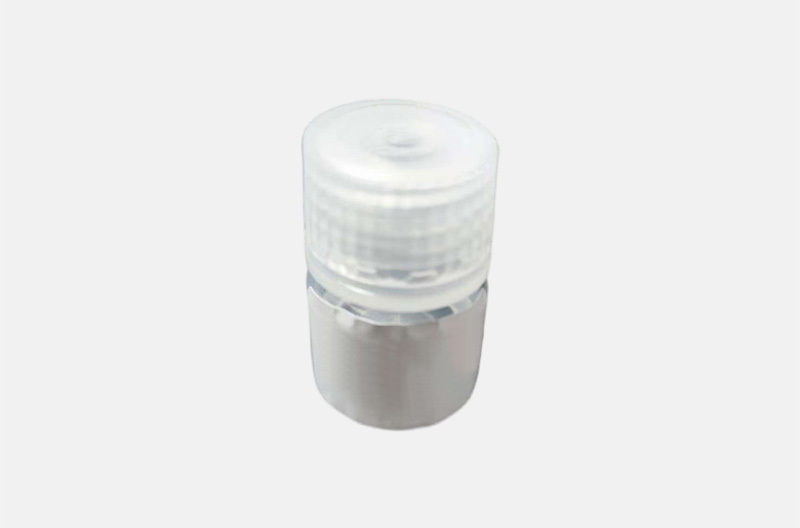
The ceramic capacitor pressure sensor core, on the other hand, is as described above. MEMS Unlike conventional sensors, this type employs a ceramic diaphragm as the pressure-sensing element. The diaphragm and a metal layer on the substrate together form a parallel-plate capacitor; when the diaphragm is subjected to pressure, the capacitance changes, and the resulting signal is processed to output a pressure-related electrical signal. Ceramic capacitive pressure sensors exhibit inherent media compatibility and excellent temperature stability.

Ceramic Capacitive Pressure Sensor
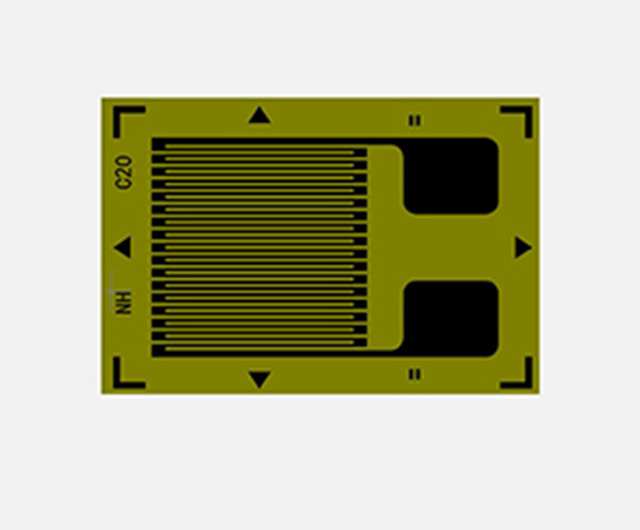
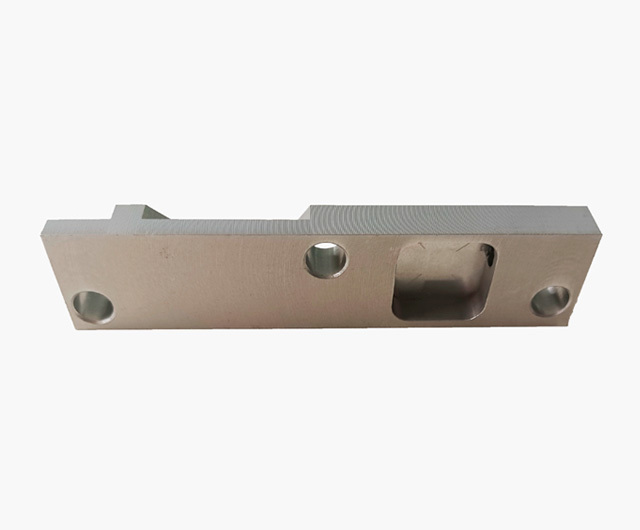
The glass micro-fusion pressure sensor is a sensor core designed for high-pressure applications. Pressure causes deformation of the metal diaphragm surface, which is transmitted via micro-fused glass to the silicon strain gauge at the top, generating a signal similar to MEMS The bridge output of the sensor. This is a method that can achieve 200Mpa The aforementioned high-voltage measurement technical solution features an all-metal sealed structure, which ensures there is no risk of leakage.

Glass Micro-Melting Pressure Sensor
Previous page
Next page
More news

Hotline
Technical Support
Address
No. 1, Building 1, Yin Cang Road, Green Industry Cluster, Quzhou City, Zhejiang Province
Follow us



Copyright © 2024 Zhejiang Nan Hua Electronic Technology Co., Ltd. | Powered by www.300.cn