

-
Products
-
-
-
-
Contact Us
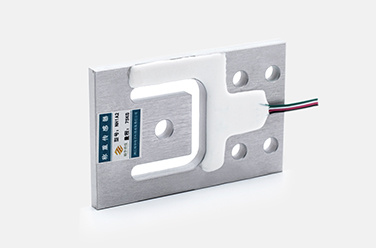
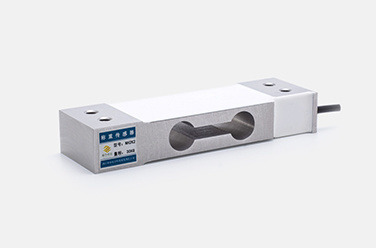
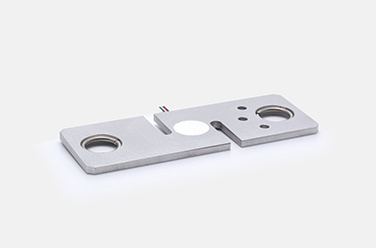
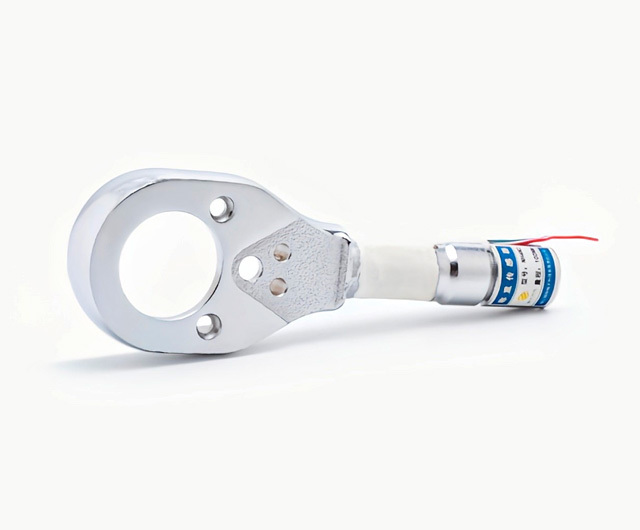
Sensors will play a major role in four major application areas
2020-11-17
First is industrial manufacturing. We know that in the initial stages of human production, relying on the five senses to perceive the surrounding environment was sufficient to meet production needs. However, during the Industrial Revolution, in various harsh environments, such as high temperatures, high pressures, and toxic environments, this was far from sufficient. Therefore, various sensors used in modern industry are playing an important role. Similar to the functions of human senses, high-precision sensors have been successfully developed. Visual sensors have the ability to capture millions of pixels of light from a single image, allowing for faster transmission. Similarly, industrial sensors for subtle observations of sound and vibration have already developed towards higher precision, providing more prerequisites for people to obtain information and identify problems during the industrial manufacturing process.
Secondly, the field of safety and security. The application of sensors in this field is relatively broad, especially for real-time safety monitoring, where they play a significant role. For example, installing new sensors under the seat of a long-haul truck driver can monitor the driver's condition in real-time. Through real-time data such as heart rate and pulse, it helps determine if the driver is fatigued and sends an alert through the sensor system. Combined with a satellite positioning system, this can help both the driver and traffic management departments promptly identify and deal with such situations, thus preventing accidents. For the elderly, children, and people with disabilities or illnesses, sensors can also detect abnormalities and promptly alert their families. With the help of a satellite positioning system, rapid assistance can be provided.
Thirdly, the medical and health field. At the forefront of international medical innovation, new miniature medical sensors have emerged. These sensors can be introduced into the human body through tools such as needles to obtain the most accurate data on human body information. With the help of these sensors, doctors can observe the patient's condition more directly, including basic data such as diseased tissues, tumor cells, and blood proteins. They can also provide real-time feedback on the effects of medication on the human body during treatment, helping to monitor treatment and simultaneously record the minutest reactions and changes in the disease during treatment, making medical case summaries and medical practices more intuitive and clear.
Finally, wearable sports equipment. These sensors can help people correct their posture, record exercise results, and capture information during exercise, analyzing the body's response to different exercises in different groups of people, making it easier to summarize patterns. The sensors currently available on the market are mainly divided into three categories: motion sensors, including accelerometers, gyroscopes, magnetometers, and pressure sensors; biosensors, including blood glucose sensors, blood pressure sensors, and electrocardiogram sensors; and environmental sensors, including temperature and humidity sensors, gas sensors, and pH sensors. These sensors are widely used in products such as smartwatches and wristbands.
Sensors, as tools for humans to perceive the world, are advancing with technological progress. The four areas mentioned above are only the leading sectors in the future development of the sensor industry; more application areas are waiting to be explored and developed. In the face of fierce international competition, Chinese sensor companies need to face challenges directly, strengthen the independent research and development of new sensors, accelerate the transformation and industrialization of existing scientific research results, improve the global market share of national brands, and promote the industry to enter a new era of development.
Previous page
More news

Hotline
Technical Support
Address
No. 1, Building 1, Yin Cang Road, Green Industry Cluster, Quzhou City, Zhejiang Province
Follow us



Copyright © 2024 Zhejiang Nan Hua Electronic Technology Co., Ltd. | Powered by www.300.cn