

-
Products
-
-
-
-
Contact Us
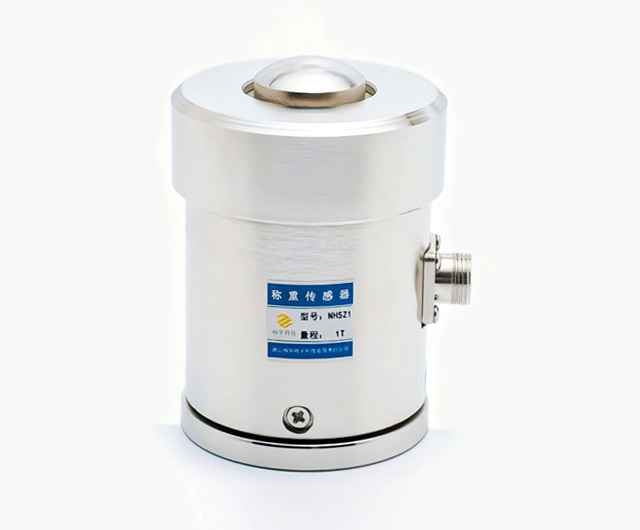
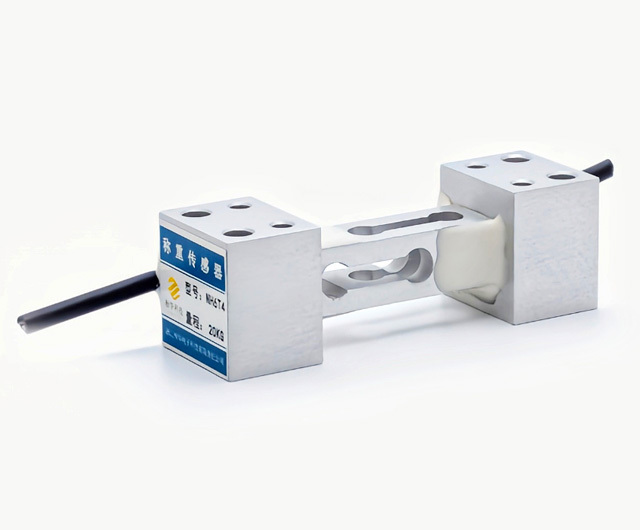
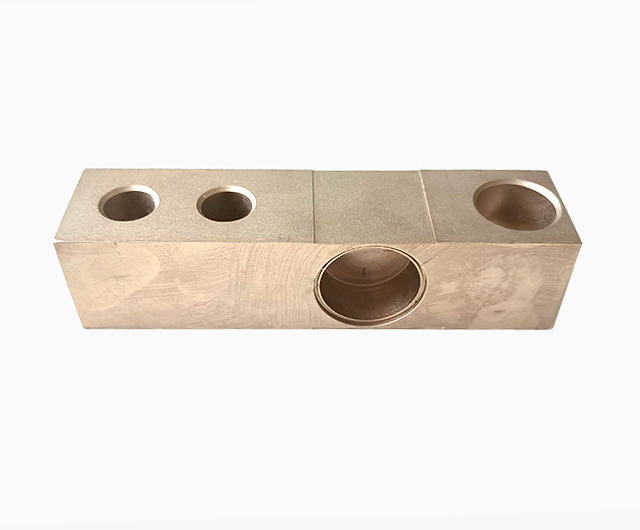
Ultrathin flat weighing sensor
2023-03-16
In today's IoT and smart manufacturing devices, weighing sensors are widely used in various fields, such as medicine, agriculture, food processing, and logistics. These fields have high requirements for the accuracy and stability of weighing sensors, as errors can lead to adverse consequences in production and transportation. The emergence of ultra-thin flat weighing sensors has brought new changes to these fields.
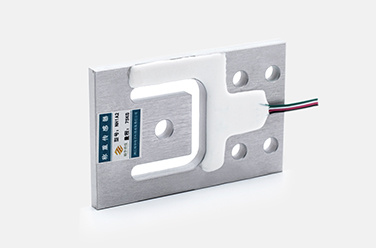
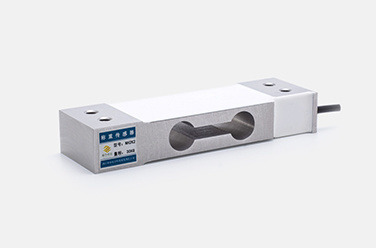
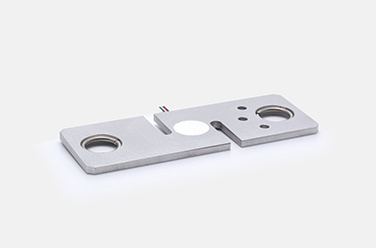
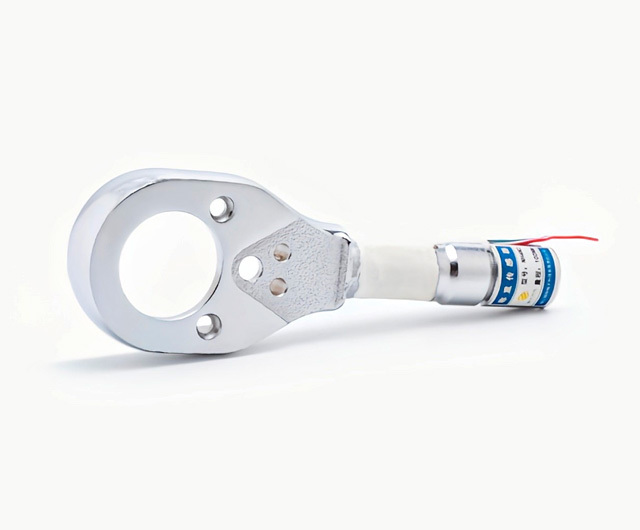
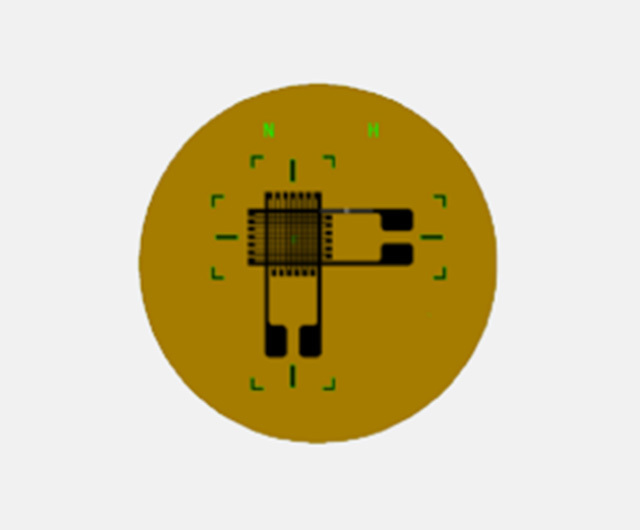
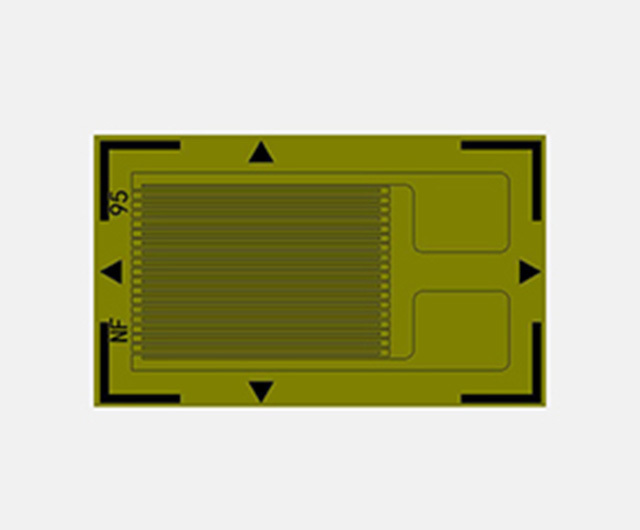
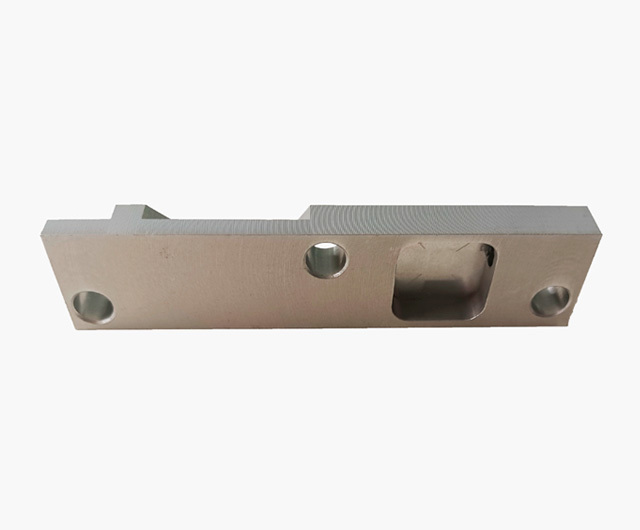
An ultra-thin flat weighing sensor is a high-precision weighing sensor characterized by its small size, light weight, stability, and high accuracy. Compared with other weighing sensors, it has higher sensitivity and faster response speed, capable of detecting minute weight changes. Ultra-thin flat weighing sensors mainly consist of a thin-film structure, microelectromechanical systems (MEMS) technology, and a circuit board.

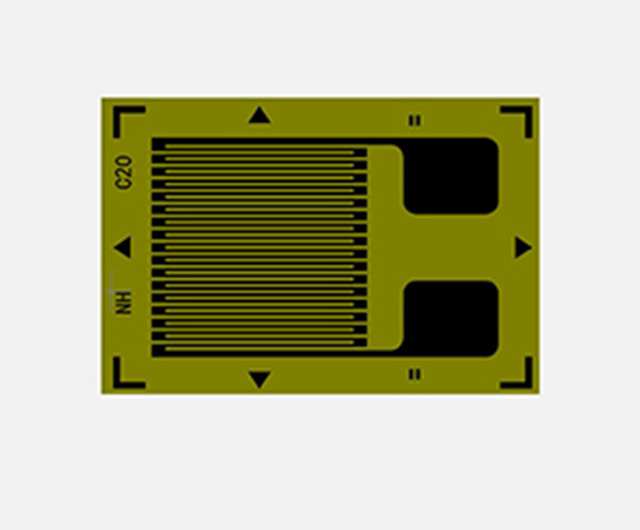
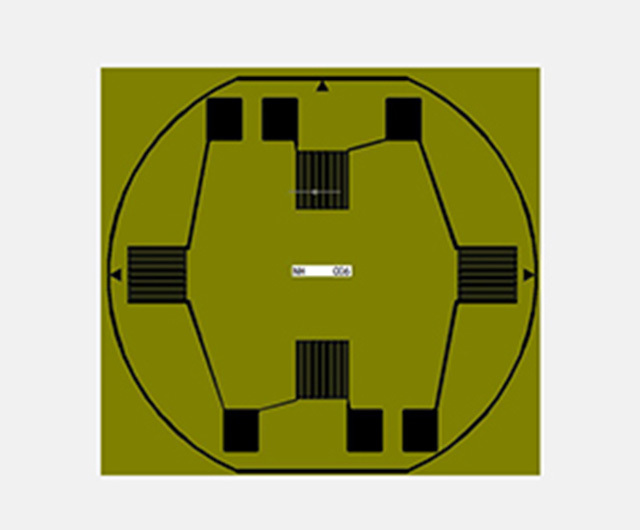
The thin-film structure of the ultra-thin flat weighing sensor uses ultra-thin film technology, with a thickness typically only a few micrometers. This minimizes stress during operation, thereby improving the sensor's accuracy and reliability. The thin-film structure also makes the sensor easier to integrate into assembly and production processes, reducing manual intervention. In the manufacturing process, the thin-film structure can be manufactured using microelectromechanical systems technology, which can produce micrometer-level devices, thereby improving the sensor's sensitivity and stability.
In addition, ultra-thin flat weighing sensors can use circuit board technology to integrate the diaphragm with electronic devices. The sensor on the circuit board can detect the weighing signal and convert it into an electronic signal, which is then transmitted to the processor to achieve weight calculation and data storage. Using circuit board technology means that the sensor has the ability to automatically process and store data, making it more convenient and efficient to use and maintain.
The performance of ultra-thin flat weighing sensors has gradually led to widespread applications. They are used in many fields, such as food processing, healthcare, agriculture, R&D, and logistics. In the food processing field, efficient production and automated control can be achieved while maintaining food quality, reducing labor and time costs. In healthcare, ultra-thin flat weighing sensors can be used to detect changes in patients' weight to monitor their health. In agriculture, ultra-thin flat weighing sensors can accurately measure the weight and humidity of agricultural products, helping to determine the optimal harvest time.
In summary, ultra-thin flat weighing sensors have brought great convenience and value to various industries. With technological advancements and widespread applications, they will become an important part of future IoT and smart manufacturing, contributing to the development of the global economy.
Previous page
Next page
More news

Hotline
Technical Support
Address
No. 1, Building 1, Yin Cang Road, Green Industry Cluster, Quzhou City, Zhejiang Province
Follow us



Copyright © 2024 Zhejiang Nan Hua Electronic Technology Co., Ltd. | Powered by www.300.cn