

-
Products
-
-
-
-
Contact Us
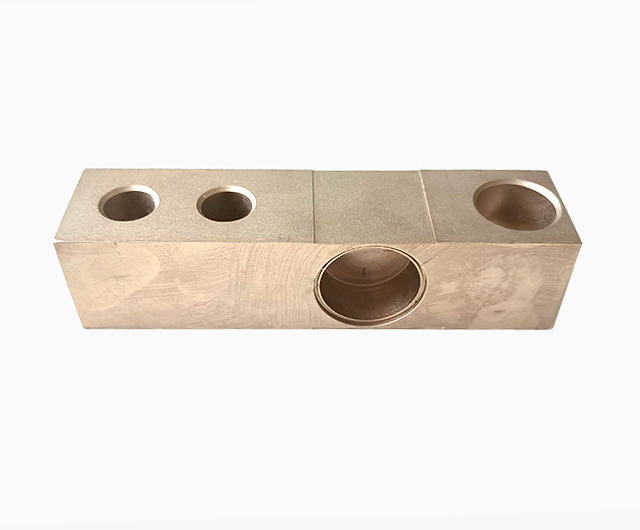
How is the accuracy and repeatability of a weighing sensor evaluated?
2023-08-31
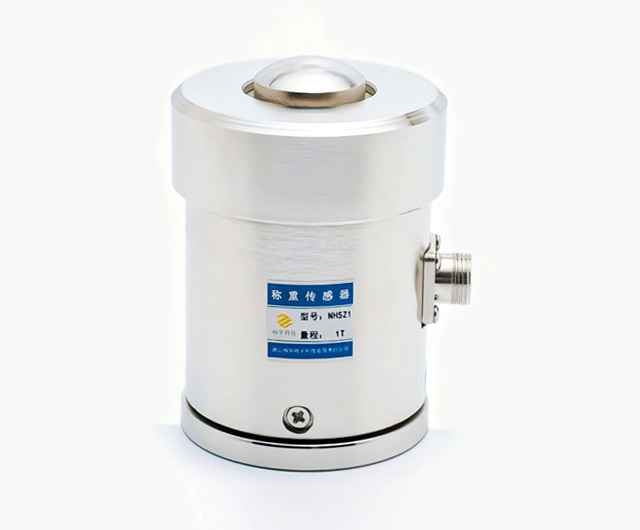
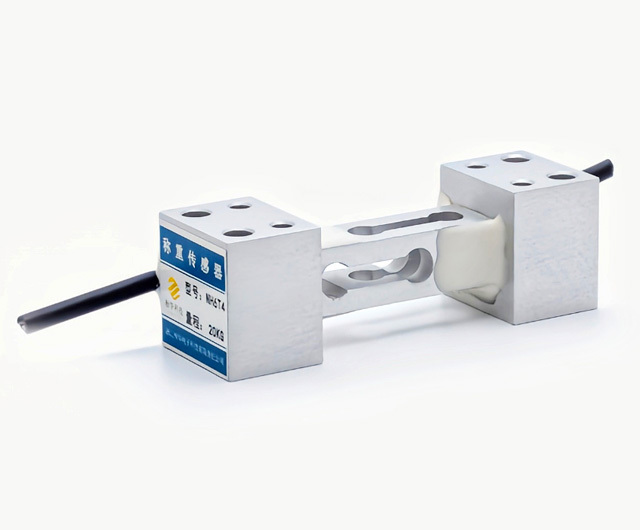
The accuracy and repeatability of a weighing sensor are crucial indicators of its performance and reliability. Accuracy refers to the difference between the sensor's output and the actual weight, while repeatability refers to the difference between the sensor's output values for multiple measurements of the same weight. Here are some common methods for evaluating the accuracy and repeatability of a weighing sensor.
Accuracy Evaluation Methods: a. Zero-point drift detection: Place the sensor in a stable environment and observe whether the output value is stable. If the output value gradually changes, it indicates that the sensor has zero-point drift. b. Static linearity error: Measure at different weights and calculate the difference between the measured value and the actual value to determine the sensor's static linearity error. c. Static repeatability: Place the sensor under the same weight for multiple measurements, calculate the difference between the measured values, and estimate the sensor's static repeatability. d. Dynamic response: Place the sensor under different weights for rapid changes in measurement, observe the response time and stability of the output value, and evaluate the sensor's dynamic response. e. Environmental interference: Place the sensor under different environmental conditions, such as temperature and humidity, and observe whether the measured values are affected by environmental interference.

Repeatability Evaluation Methods: a. Repeatability test: Place the sensor under the same weight for multiple measurements, calculate the difference between the measured values, and evaluate the sensor's repeatability by calculating the variance or standard deviation. b. Average error: Calculate the average error of multiple measurements to reflect the sensor's overall measurement deviation. c. Correlation analysis: Evaluate the correlation between multiple measured values by calculating the correlation between them. Higher correlation indicates better repeatability.
In addition to the above methods, calibration and testing using standard samples can be considered to evaluate the sensor's accuracy and repeatability by comparison with standard samples.
Furthermore, the sensor's operating environment and specific application requirements should be considered. For example, under harsh environmental conditions, the sensor's accuracy and repeatability may be more significantly affected, so more rigorous evaluation and testing are required.
A better evaluation method is to test the sensor in its actual operating environment. The interference and uncertainties that may exist in the actual operating environment will better reflect the sensor's true performance.
When evaluating the accuracy and repeatability of a sensor, other factors such as the sensor's stability, sensitivity, and linearity should also be considered. These indicators can further measure the sensor's quality and performance.
It should be emphasized that evaluating the accuracy and repeatability of a sensor is an ongoing process that requires continuous monitoring and calibration. Only through continuous monitoring and maintenance can the sensor's accuracy and repeatability be maintained at an acceptable level and meet the requirements of practical applications.
Previous page
Next page
More news

Hotline
Technical Support
Address
No. 1, Building 1, Yin Cang Road, Green Industry Cluster, Quzhou City, Zhejiang Province
Follow us



Copyright © 2024 Zhejiang Nan Hua Electronic Technology Co., Ltd. | Powered by www.300.cn