

-
Products
-
-
-
-
Contact Us
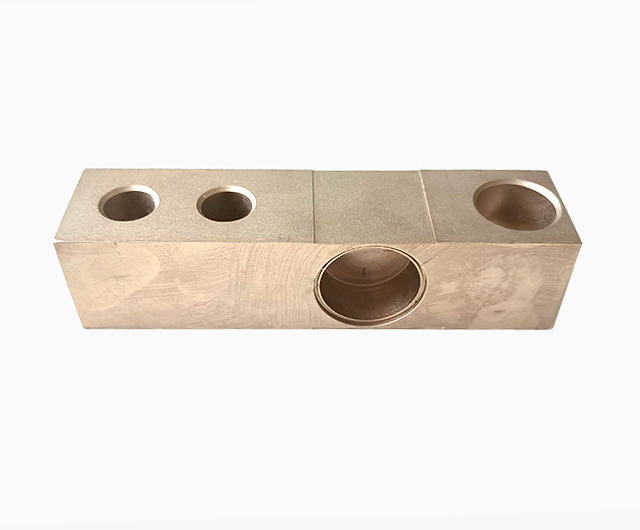
Characteristics and applicable scenarios of various sensor strain gauges
2023-12-09
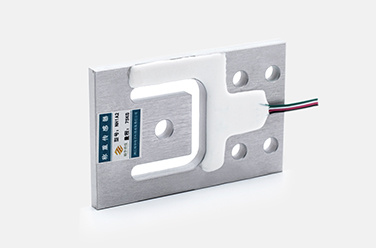
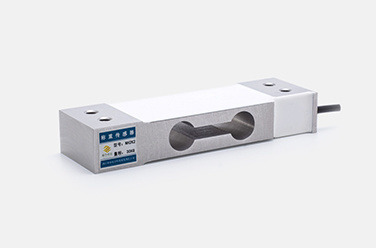
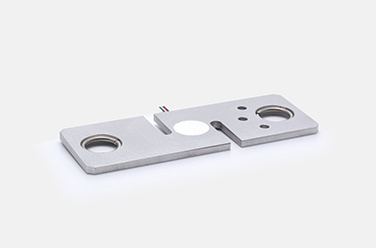
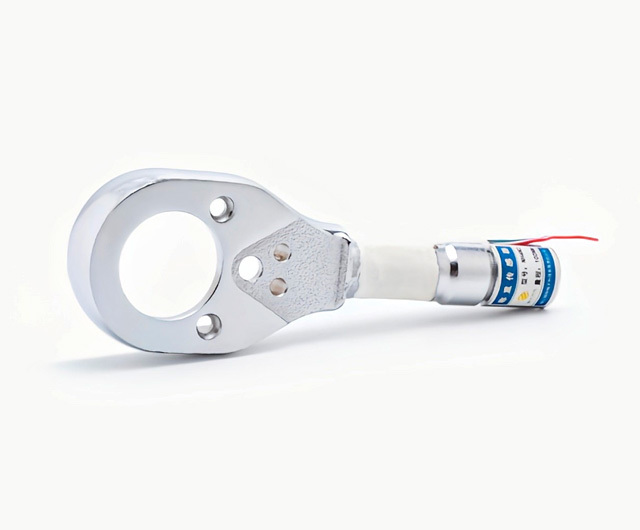
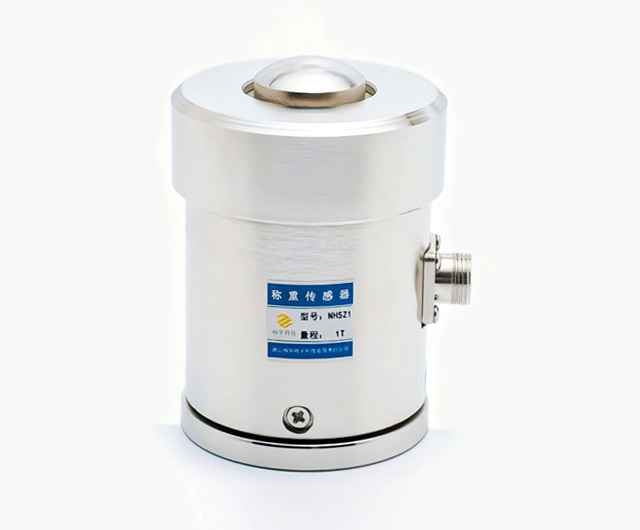
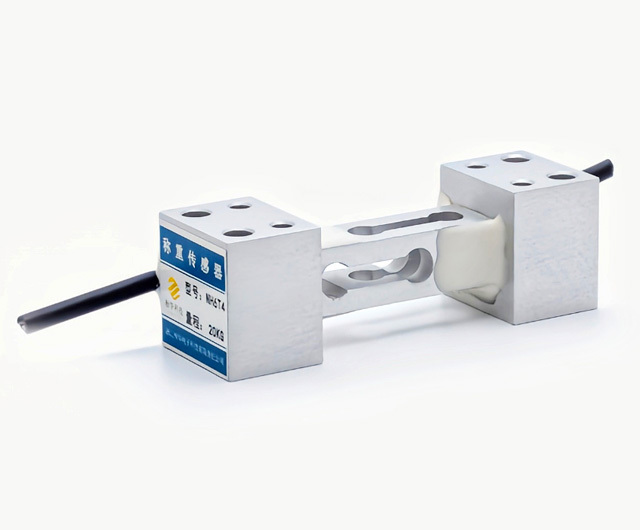
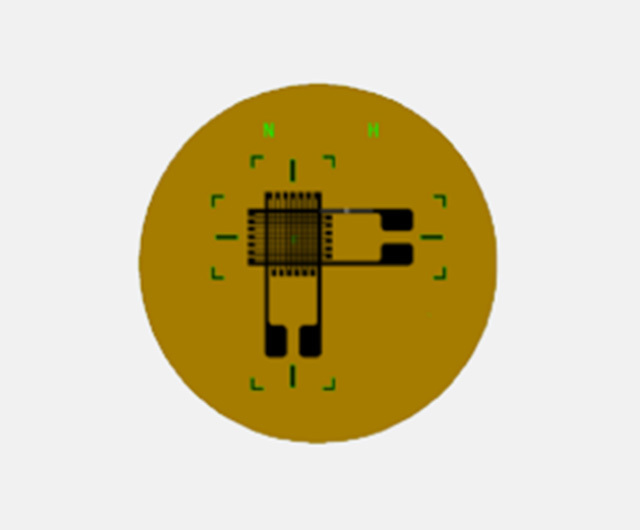
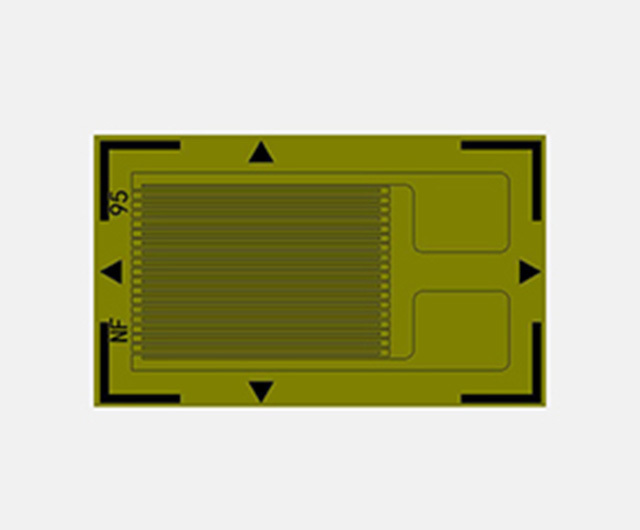
A strain gauge sensor is a device capable of measuring the strain (degree of deformation under force) of an object. It converts the object's strain into an electrical signal output, enabling monitoring and measurement of the strain condition. There are many types of strain gauges, each with its unique characteristics and applications.
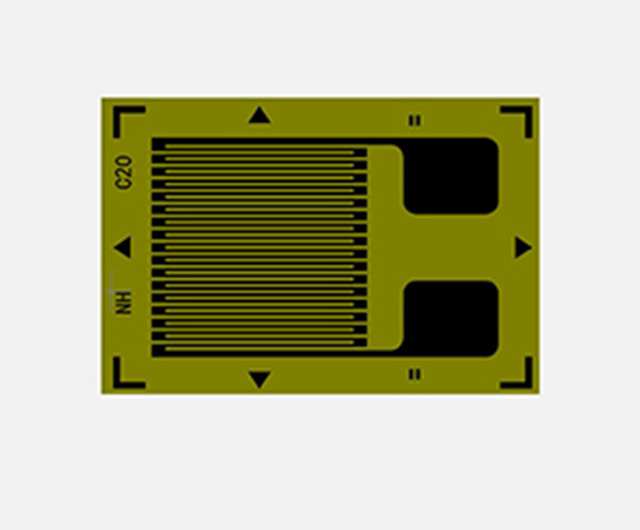
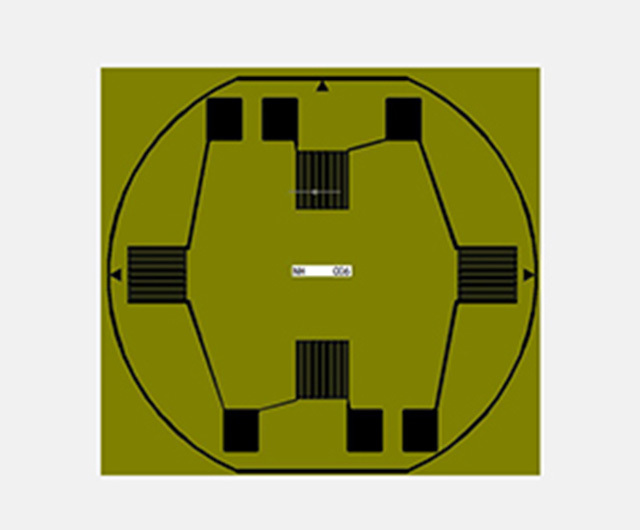
Metal Wire Strain Gauges: Common metal wire strain gauges include metal foil strain gauges and diffused silicon strain gauges. These gauges are characterized by high stability, good linearity, and low thermal sensitivity. Within the elastic deformation range, the output voltage of the strain gauge exhibits a linear relationship with strain, making them ideal for strain measurement applications requiring high accuracy, such as aerospace and automotive manufacturing.
Thin Film Strain Gauges: Thin film strain gauges utilize the properties of thin film materials to convert resistance strain into strain measurement. They are characterized by fast response, high sensitivity, and stable output voltage. Thin film strain gauges are suitable for small-size, high-sensitivity strain applications, such as deformation measurement of microstructures and medical devices.
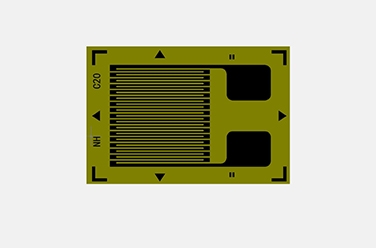
Piezoresistive Strain Gauges: Commonly used piezoresistive strain gauges include carbon black strain gauges and resistance strain gauges. These sensors utilize the property of resistance changing with strain to convert strain into changes in resistance value. Piezoresistive strain gauges are characterized by low cost and simple manufacturing processes. They are widely used in general strain measurement applications, such as structural deformation, temperature measurement, and mechanical experiments.
Degradable Strain Gauges: Degradable strain gauges are a special type of strain gauge made from degradable materials, capable of transmitting strain information to the interior of the monitored object. These sensors are characterized by high flexibility and adaptability, and they degrade over time, avoiding environmental pollution. Degradable strain gauges are suitable for long-term monitoring of objects, such as soil monitoring and biomedical applications.
Fiber Optic Strain Gauges: Fiber optic strain gauges utilize changes in light transmission characteristics within the optical fiber to convert strain into changes in optical signals, which are then transmitted via optical fiber to detection equipment for analysis and processing. Fiber optic strain gauges are characterized by resistance to electromagnetic interference and long measurement distances. They are suitable for applications requiring remote measurement and high electromagnetic environment requirements, such as underground engineering and large bridges.
Miniature Strain Gauges: Miniature strain gauges are small-size, high-precision strain gauges, including on-chip strain gauges and micro-bending rate meters. These strain gauges are characterized by small space occupancy and minimal environmental impact, suitable for micro-sized structures or applications with space constraints, such as microelectronic devices and medical sensors.
In summary, different strain gauges have different characteristics and application ranges. Selecting the appropriate strain gauge requires considering the characteristics of the monitored object, strain range, and working environment. Only by using the appropriate strain gauge can the accuracy and reliability of the measurement results be ensured. With the development of science and technology and advancements in strain gauge technology, more advanced strain gauges are expected to emerge in the future, meeting a wider range of monitoring needs.
Previous page
More news

Hotline
Technical Support
Address
No. 1, Building 1, Yin Cang Road, Green Industry Cluster, Quzhou City, Zhejiang Province
Follow us



Copyright © 2024 Zhejiang Nan Hua Electronic Technology Co., Ltd. | Powered by www.300.cn