

-
Products
-
-
-
-
Contact Us
How can a digital output be achieved from a tensile force sensor?
2024-03-30
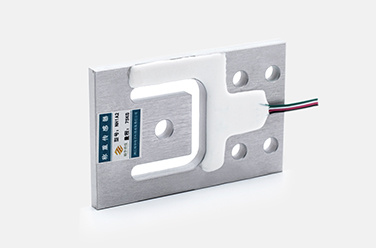
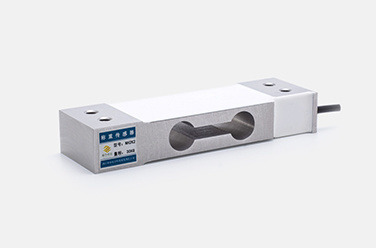
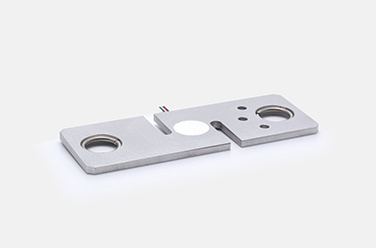
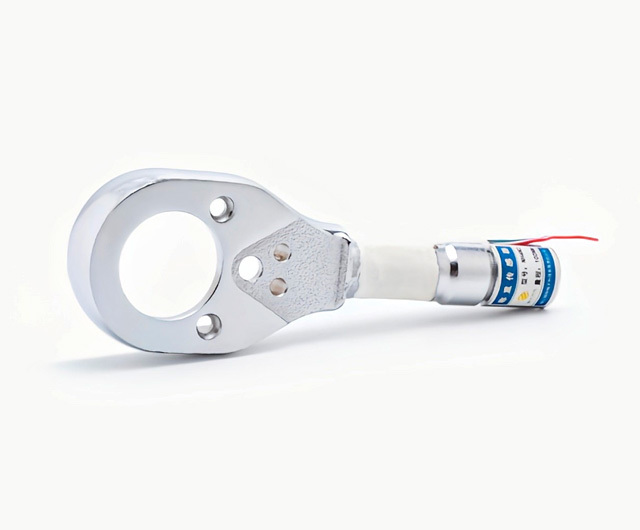
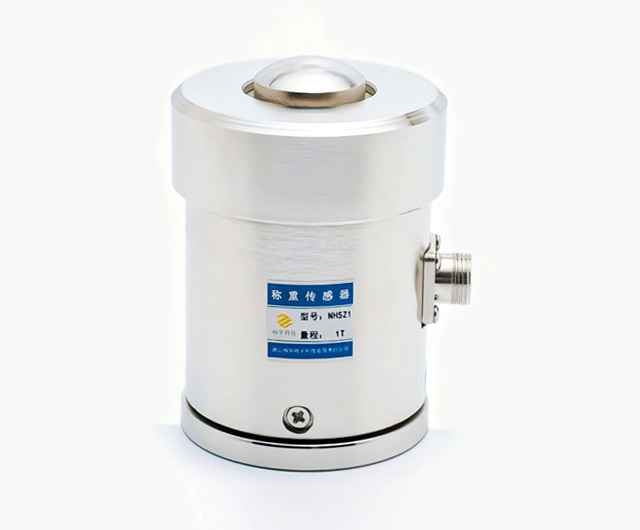
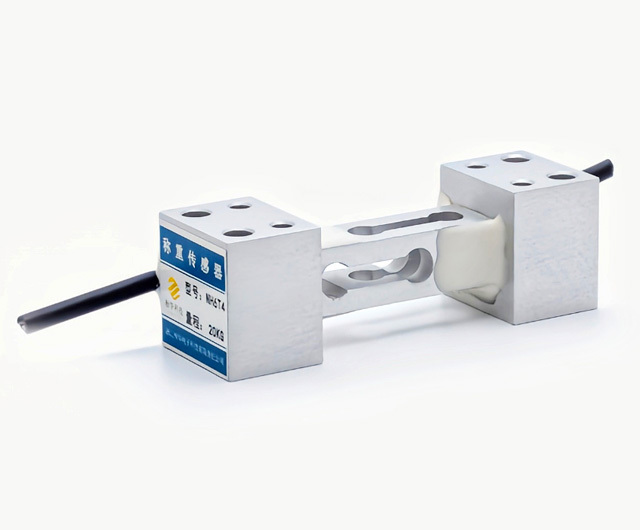
A tension sensor is a device used to measure the tensile force on an object. It's commonly used in industrial control, mechanical testing, and medical equipment. Its principle is to use internal strain gauges to sense the tensile force on the measured object and then convert this force into an electrical signal output. Tension sensors are characterized by high precision, good stability, and fast response speed, and are widely used in various fields.
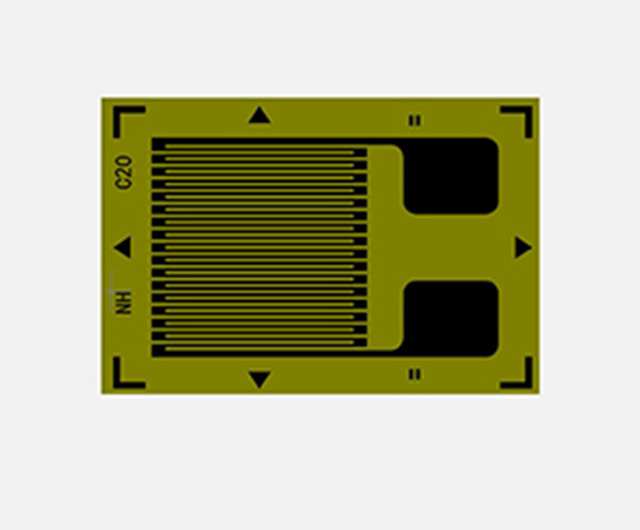
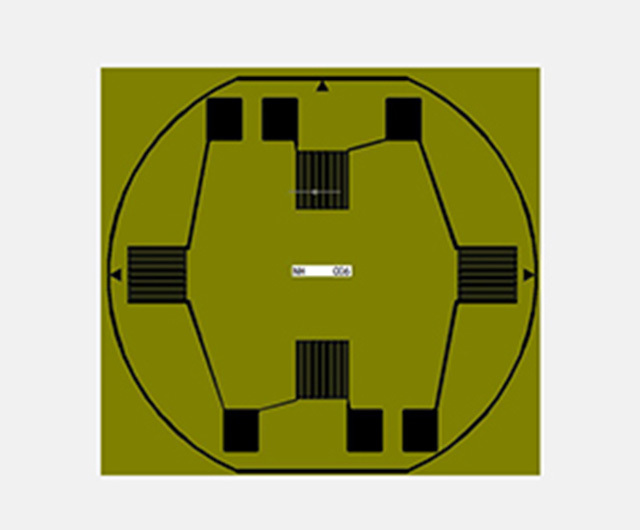
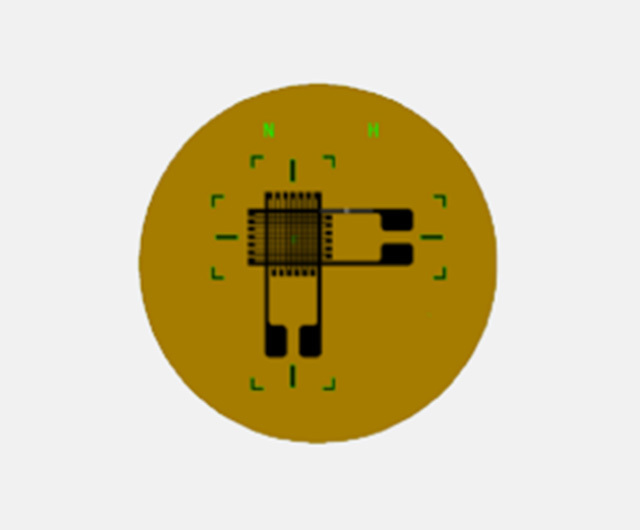
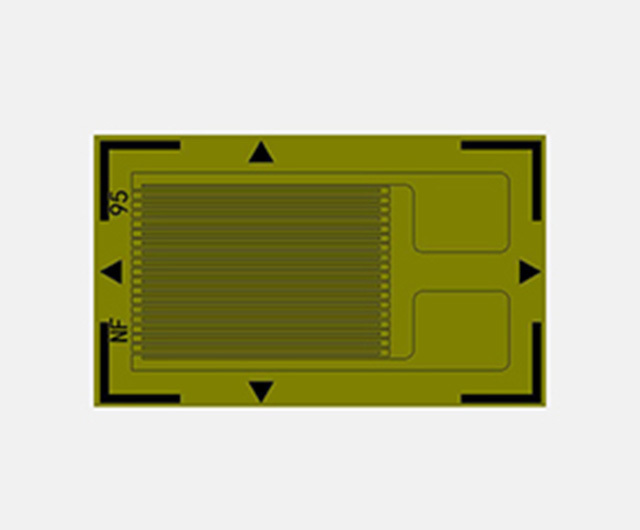
The working principle of a tension sensor is based on the resistance change of the strain gauge. When tensile force is applied to the sensor, the strain gauge inside the sensor deforms, causing a change in resistance. By measuring the change in resistance, the magnitude of the tensile force on the measured object can be accurately obtained. Usually, tension sensors are also equipped with some amplification circuits and filter circuits to enhance the stability and accuracy of the signal.
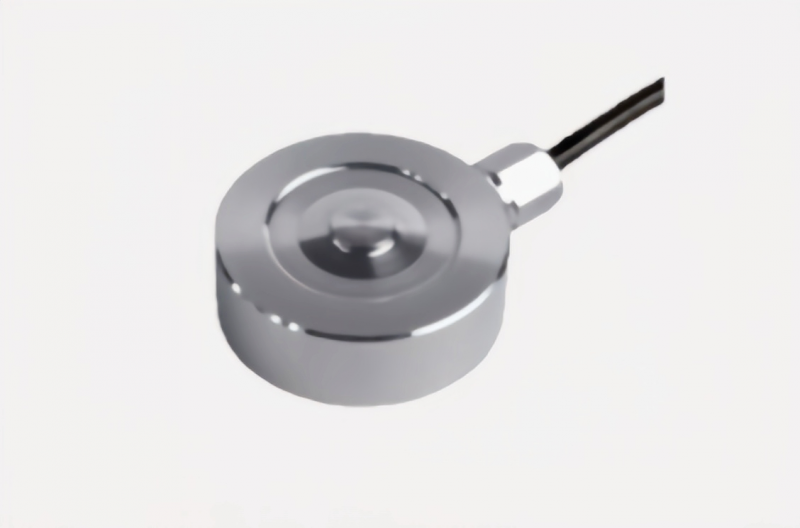
Tension sensors are widely used in industrial control. During production, tension sensors can monitor the tension of materials in real time to ensure product quality. For example, in the steel, paper, and textile industries, tension sensors can be used to monitor the tension of wires, paper, and yarn to ensure product quality. In addition, in the automotive and aerospace industries, tension sensors can be used to measure the tensile force of various components to ensure the normal operation of the entire system.
In addition, tension sensors are also widely used in medical equipment. In surgical and rehabilitation medical scenarios, tension sensors can be used to monitor the patient's movement status to assist doctors in treatment. For example, in rehabilitation training, tension sensors can be used to monitor the patient's range of motion and force to help patients perform correct rehabilitation training.
In general, tension sensors are very important sensor devices that play a key role in many fields. With the continuous advancement of technology, the performance of tension sensors will continue to improve, and their applications will continue to expand. It is believed that in future development, tension sensors will become more intelligent and precise, bringing greater convenience and benefits to human production and life.
Previous page
More news

Hotline
Technical Support
Address
No. 1, Building 1, Yin Cang Road, Green Industry Cluster, Quzhou City, Zhejiang Province
Follow us


Copyright © 2024 Zhejiang Nan Hua Electronic Technology Co., Ltd. | Powered by www.300.cn