

-
Products
-
-
-
-
Contact Us
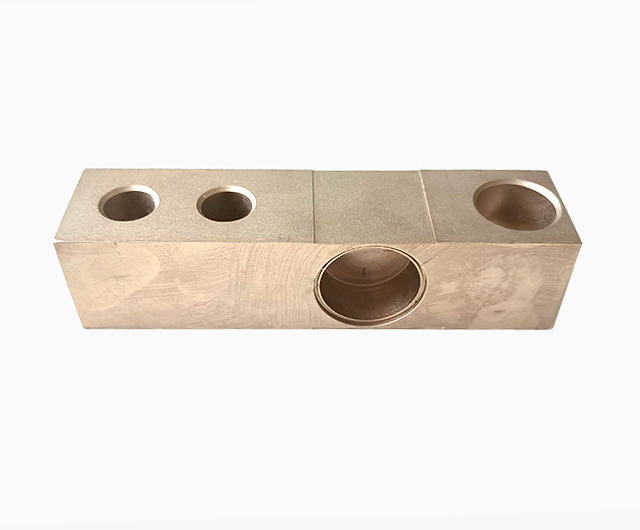
What is a single-point load cell?
2023-03-07
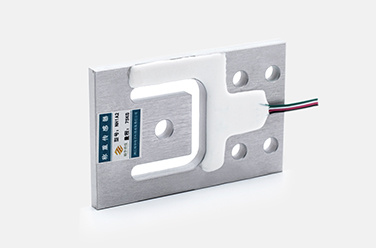
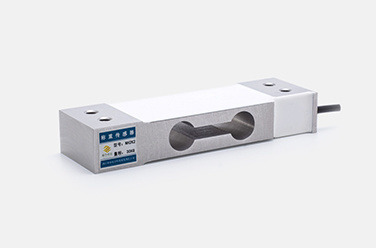
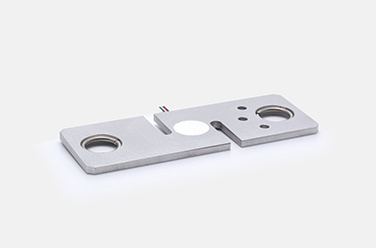
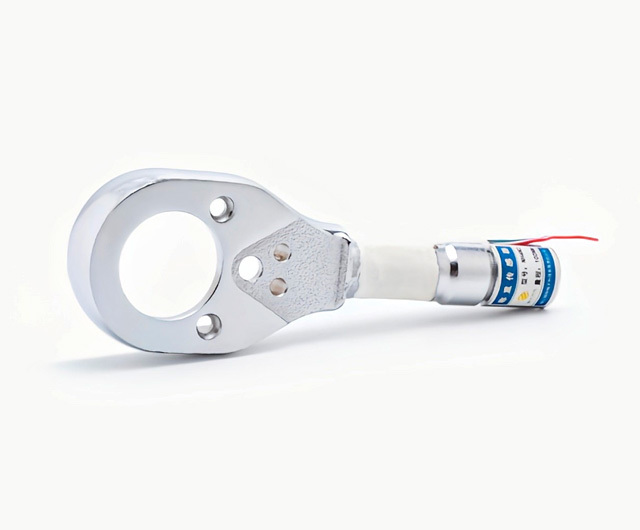
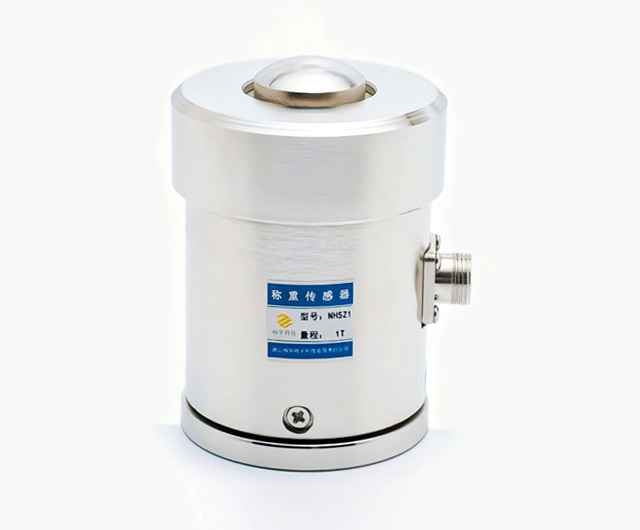
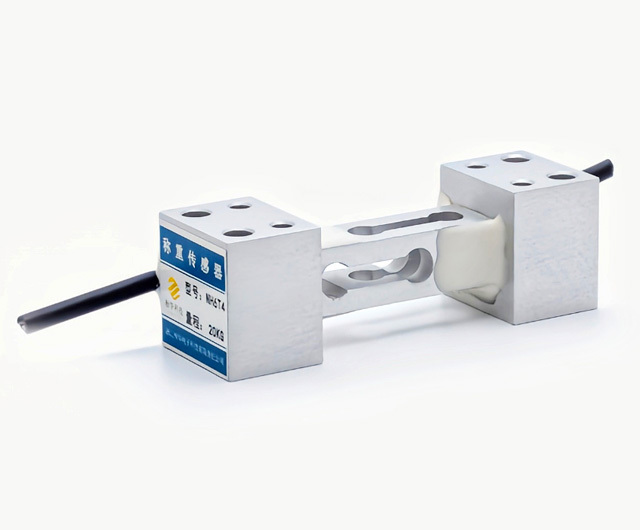
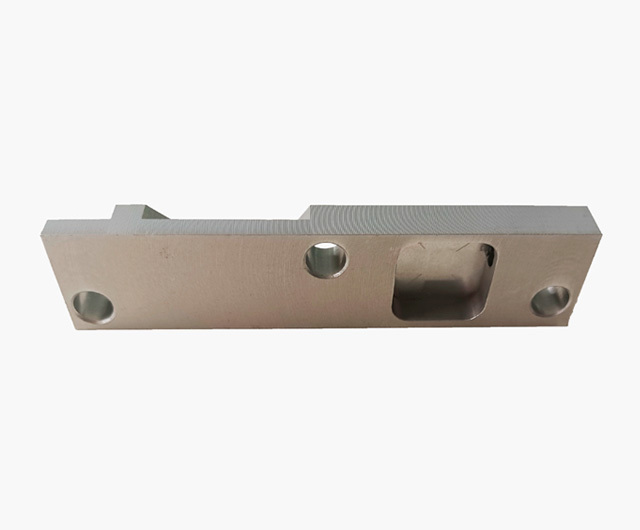
Single-point load cell It is a commonly used load cell, a weighing instrument based on electrical measurement principles. The working principle is to place the object to be weighed on the sensor. The sensor will receive the load pressure generated by the object to be weighed, and then convert this pressure into an electrical signal for processing, and finally output the corresponding electrical signal as the weight of the object. 

Compared with other load cells, single-point load cells have a series of characteristics. First, it is more suitable for weighing small and medium-sized items, because its weighing range is generally between 1kg and 500kg, which can meet the needs of most items within this range. Second, single-point load cells are relatively inexpensive, simple in structure, and easy to maintain and replace. Furthermore, it is small in size, does not take up too much space, and is easy to use in various occasions.
However, single-point load cells also have some disadvantages. First, because it only has one measurement point, the measurement error will be relatively large for some items with poor linearity. Second, during long-term use, the aging and damage of electronic components and mechanical structures will lead to a decrease in sensor accuracy and inaccurate measurement values, requiring timely replacement and maintenance.
Single-point load cells have a wide range of applications, including medicine, food processing, logistics and transportation, automobiles, electronics, and mechanical manufacturing. Some examples of specific application scenarios are:
1. Hospital weighing: In the daily work of hospitals, it is necessary to measure the weight of some patients or medicines, which can be done using single-point load cells. The weight range of hospital weighing sensors is generally smaller, but higher accuracy is required.
2. Logistics weighing: The logistics industry is one of the main application areas of single-point load cells. Logistics weighing requires short weighing time, accurate weighing, adaptability to various packaging forms and specifications, certain corrosion resistance and waterproof performance, and high protection level requirements.
3. Kitchen appliance weighing: Kitchen appliance weighing is a quick way to measure the weight of ingredients or food, which is very popular in modern food culture, and single-point weighing instruments have become one of the commonly used tools for chefs. Single-point weighing instruments used in food processing need to have features such as oil and water resistance and easy cleaning.
4. Truck weighing: Truck weighing is mainly to ensure that the cargo is not overloaded and to reasonably allocate the cargo position to reduce transportation costs. Truck weighing sensors need to consider accuracy and dust and water resistance in uneven ground environments.
In general, Single-point load cell It is widely used in all aspects of our lives and work, from medical care, food processing, and logistics transportation to automobiles and electronics manufacturing. With people's increasing demand for accuracy and efficiency, single-point load cells are also constantly being improved and upgraded to meet people's needs in the field of weighing.
Previous page
Next page

Hotline
Technical Support
Address
No. 1, Building 1, Yin Cang Road, Green Industry Cluster, Quzhou City, Zhejiang Province
Follow us



Copyright © 2024 Zhejiang Nan Hua Electronic Technology Co., Ltd. | Powered by www.300.cn