

-
Products
-
-
-
-
Contact Us

What is the working principle and application fields of a single-point sensor?
2023-11-03
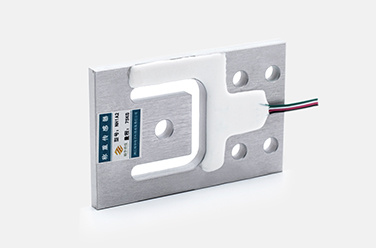
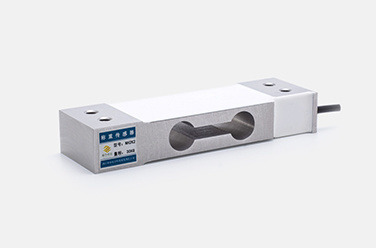
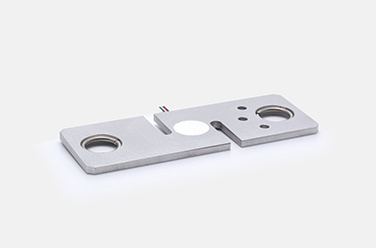
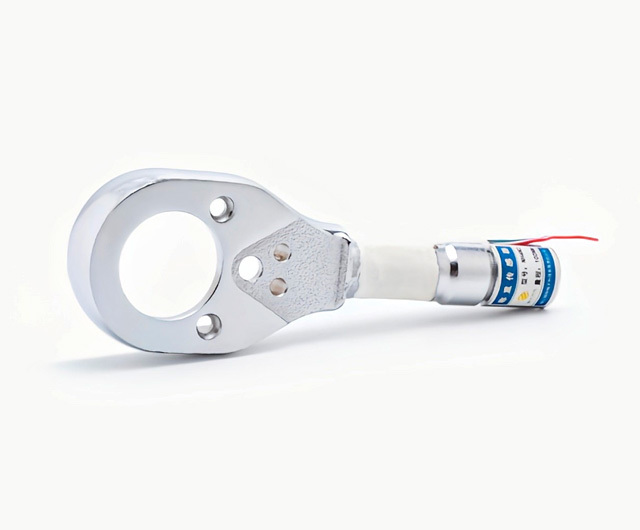
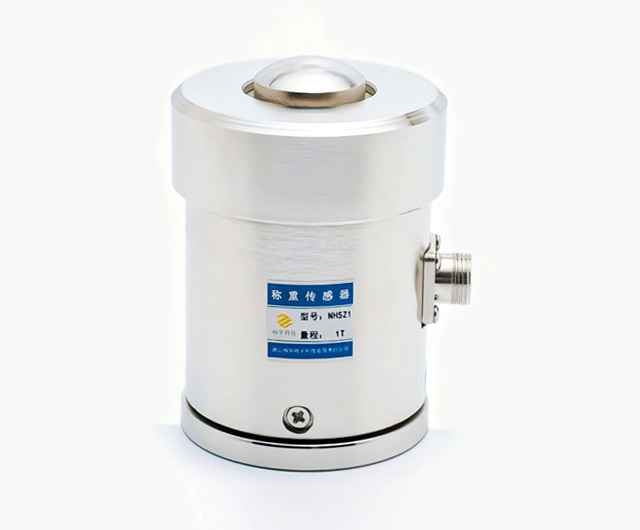
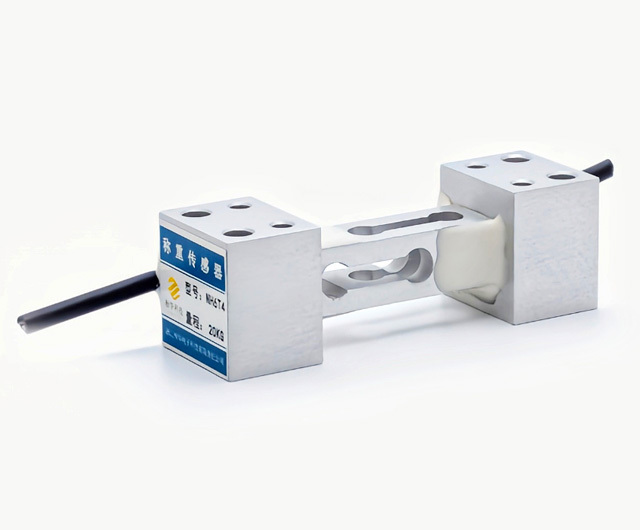
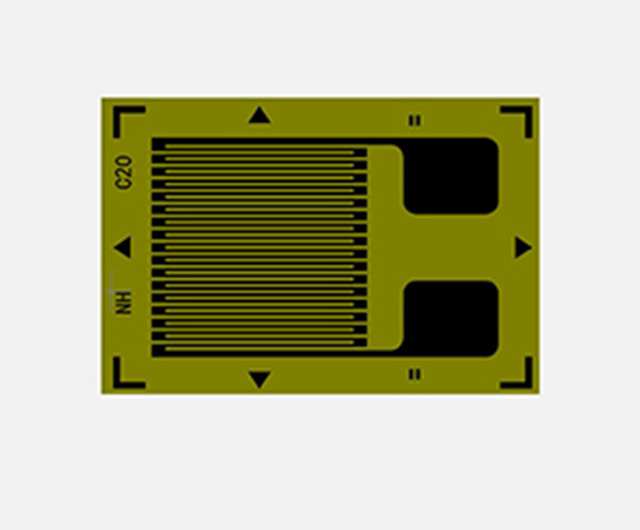
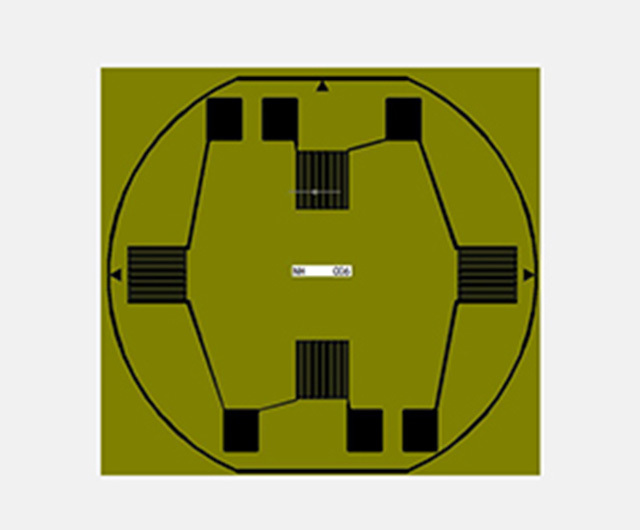
A single-point sensor is a device or equipment used to measure a physical quantity. Its working principle is based on physical, electrical, or chemical principles, etc., measuring by converting the physical quantity into an electrical signal. A single-point sensor typically consists of a sensor element, signal processing circuit, and output interface.
The working principle of a single-point sensor varies depending on the physical quantity. For example, temperature sensors often use thermistors, thermocouples, or thermoresistors to measure temperature. When the temperature changes, they change the resistance value or generate a thermoelectric potential, thereby achieving temperature measurement. Light intensity sensors use photosensitive elements or photodiodes to measure the intensity of light. When the light intensity changes, they generate corresponding current signals. Pressure sensors use piezoresistive sensors, capacitive sensors, or piezoelectric materials to measure the pressure or pressure changes exerted by an object on the sensor. Similarly, humidity sensors, gas sensors, and acceleration sensors all have their specific working principles.

Single-point sensors have a wide range of applications. In the industrial field, single-point sensors are widely used in automated control systems to monitor and control parameters such as temperature, pressure, and humidity. They can be used in industrial production processes for temperature control, pressure control, water level detection, etc., effectively improving production efficiency and product quality. In the field of environmental monitoring, single-point sensors can be used for air quality monitoring, water quality detection, noise detection, etc., providing data support for environmental protection and people's living environment. In the field of transportation, single-point sensors can be used in vehicle safety systems to detect driving speed, distance, acceleration, etc., providing drivers with relevant information and warnings. In medical equipment, single-point sensors are used to monitor patients' vital signs, such as heart rate and body temperature, providing medical personnel with important medical data. In addition, single-point sensors can also be applied to robotics, drones, smart homes, and other fields, providing support for the development and innovation of modern technology.
It should be noted that although single-point sensors are widely used in various fields, they are not a universal solution to all problems. Different application scenarios may require different types of sensors, and the appropriate model and parameters need to be selected according to specific needs. In addition, the accurate calibration and maintenance of single-point sensors should be paid attention to during use to ensure accurate and reliable data and measurement results.
In summary, the working principle of single-point sensors is based on different physical principles, measuring by converting the measured physical quantity into an electrical signal. They are widely used in industrial automation, environmental monitoring, transportation, medical equipment, and other fields, providing important data support for work and life in various fields.
Next page

Hotline
Technical Support
Address
No. 1, Building 1, Yin Cang Road, Green Industry Cluster, Quzhou City, Zhejiang Province
Follow us



Copyright © 2024 Zhejiang Nan Hua Electronic Technology Co., Ltd. | Powered by www.300.cn